





If you’ve ever stood in front of a bar menu and thought, “Okay, but what exactly is the difference between a spirit, a wine, and a beer?” you’re not alone. I’ve been there too — usually while trying to order something that sounds sophisticated without accidentally asking for a glass of regret.
Understanding the main types of alcohol is useful for more than just sounding polished at dinner. It helps you choose better cocktails, pair drinks with food, shop smarter, and avoid the classic mistake of buying a bottle that does absolutely nothing for the kind of evening you had in mind.
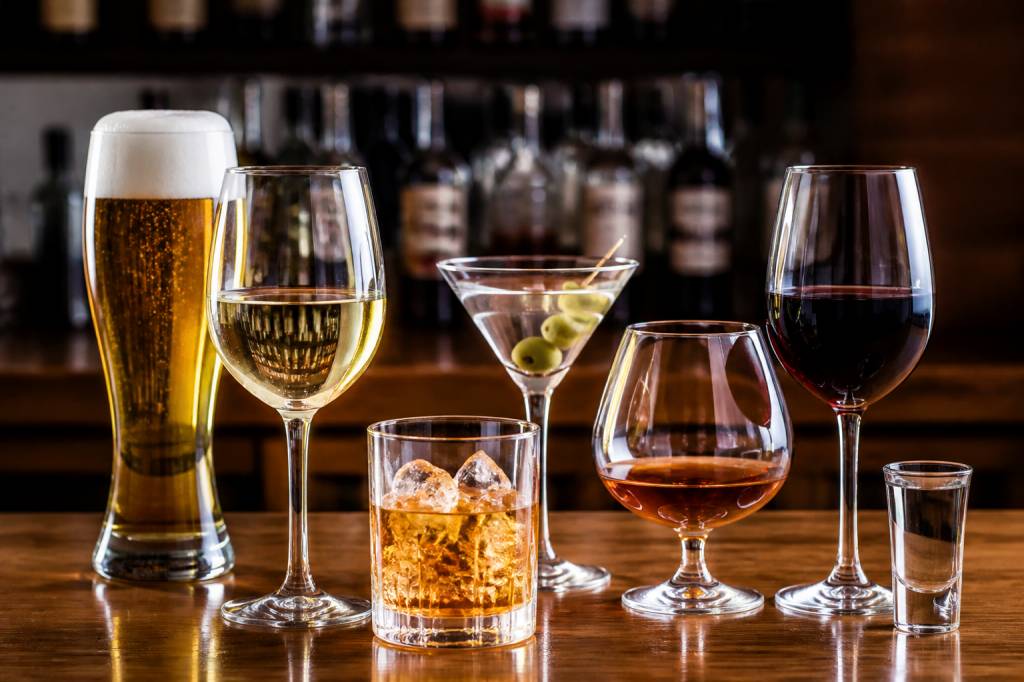
Here’s the simple version: spirits are distilled and strong, wine is fermented from grapes and usually gentler, and beer is fermented from grains and often the most casual of the three. But of course, the details matter. Let’s break it down clearly.
What alcohol actually is
Alcohol, in drinks, comes from fermentation. Yeast eats sugar and turns it into alcohol and carbon dioxide. That’s the basic science behind beer, wine, cider, and many other drinks.
Spirits go one step further: they’re distilled after fermentation, which concentrates the alcohol and flavors. That’s why gin, vodka, rum, tequila, whiskey, and brandy are stronger than wine or beer.
Once you understand that difference, the whole shelf starts making sense. Fermented drinks are generally lower in alcohol and more expressive in their base ingredients. Distilled drinks are stronger, more concentrated, and often the backbone of cocktails.
Spirits: the foundation of cocktails
Spirits are the heavy hitters of the bar world. They usually sit around 35% to 50% ABV, though some go much higher. If you want to build cocktails with structure, balance, and a little personality, spirits are where you start.
There are six main spirits you’ll see all the time: vodka, gin, rum, tequila, whiskey, and brandy. Each has a distinct flavor profile, even if some people pretend vodka has none. Spoiler: it does have a character, even if it’s a subtle one.
Vodka
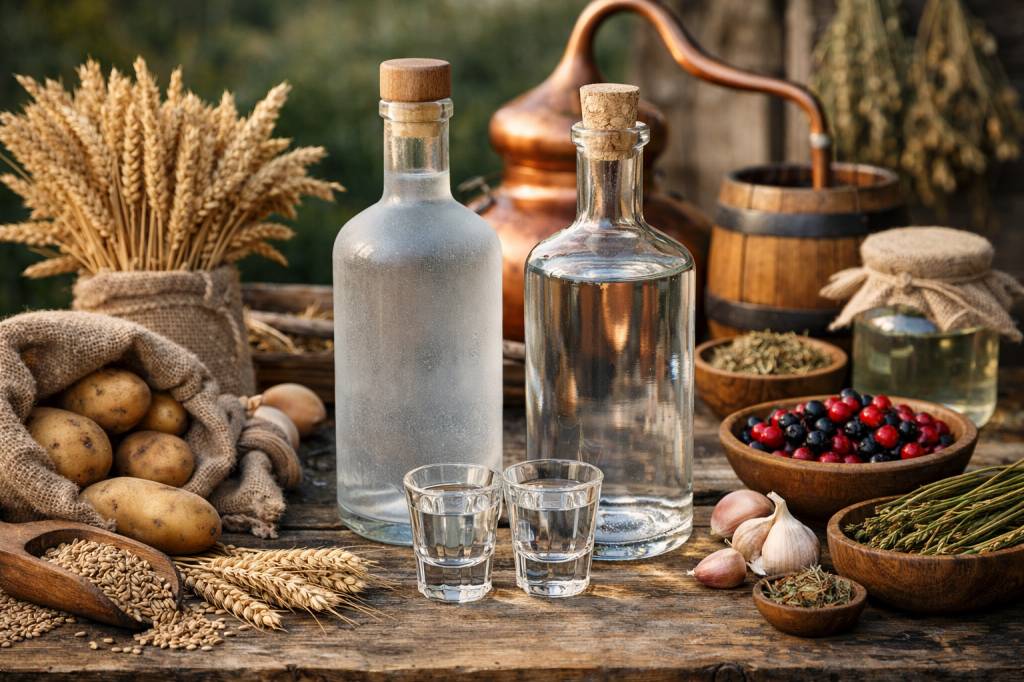
Vodka is known for being neutral, clean, and versatile. It’s usually made from grains or potatoes, though it can come from other ingredients too. Because it has a mild flavor, it works well in cocktails where you want the other ingredients to shine.
Best used for:
If you want a spirit that plays well with citrus, fruit, herbs, or coffee, vodka is a safe bet. It’s also the bottle I recommend keeping around for guests who don’t love strong spirit flavor.
Gin
Gin starts as a neutral spirit, but it’s flavored with botanicals — usually juniper, plus herbs, spices, citrus peel, and flowers. Juniper is the defining note, which gives gin its piney, aromatic edge.
Gin is fantastic in drinks that need freshness and complexity. If vodka is the blank canvas, gin is the cocktail with a strong opinion — and usually a good one.
Best used for:
I once brought a London dry gin to a friend’s house and expected everyone to be skeptical. Instead, it disappeared fast because the right tonic, a good citrus garnish, and enough ice can turn gin into the easiest crowd-pleaser on the table.
Rum
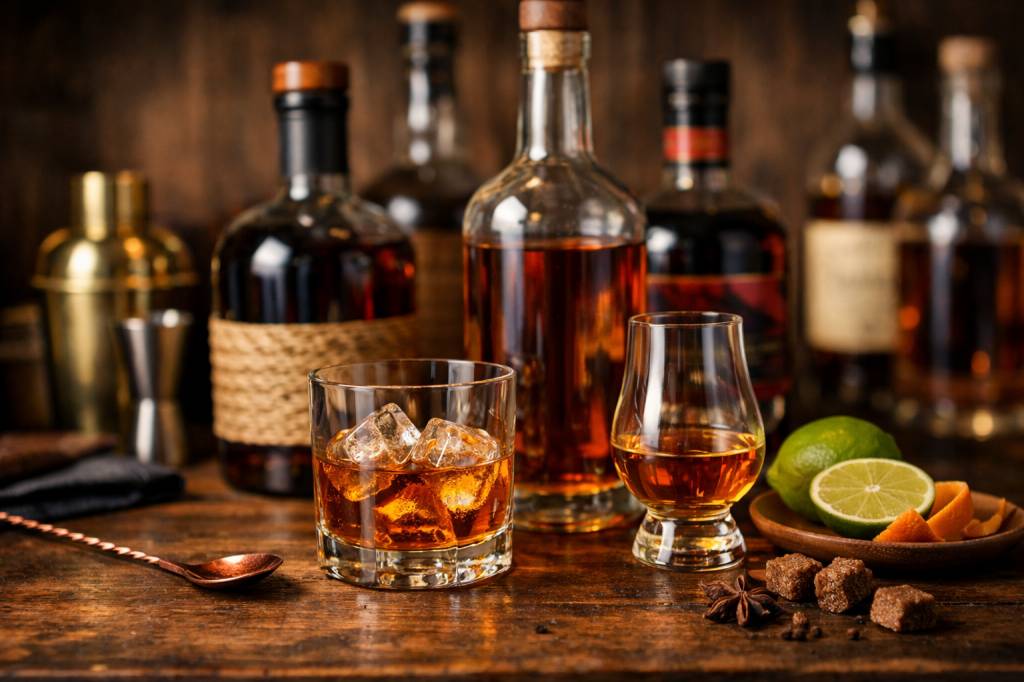
Rum is made from sugarcane juice or molasses, which gives it a naturally warm, sweet, tropical character. It can be light and crisp, dark and rich, or somewhere in between.
Light rum is common in refreshing cocktails. Dark rum brings deeper caramel, vanilla, and spice notes. If you’ve ever had a cocktail that tasted like vacation, there’s a decent chance rum was involved.
Best used for:
Rum is one of the most flexible spirits in the cabinet. Keep a light rum for bright drinks and a darker rum for richer, more winter-friendly cocktails.
Tequila and mezcal
Tequila is made from blue agave and typically has a clean, earthy, peppery profile. Mezcal is also made from agave, but it’s known for its smoky flavor. They’re related, but not interchangeable.
Tequila is usually the better choice when you want brightness and a lively finish. Mezcal is what you reach for when you want something more dramatic.
Best used for:
If you’re new to tequila cocktails, start with a classic Margarita. It’s the easiest way to understand what quality tequila can do. And if you’re experimenting with mezcal, use it carefully at first — too much smoke can take over the whole drink.
Whiskey
Whiskey is made from fermented grain mash and aged in barrels, which gives it depth, warmth, and a wide range of flavor styles. Depending on the type, you might get caramel, vanilla, spice, smoke, grain, or fruit.
The biggest categories include bourbon, rye, Scotch, Irish whiskey, and Japanese whisky. They all have their own personality, but they share that layered, barrel-aged character.
Best used for:
Whiskey is the spirit I reach for when I want a drink that feels more structured. If I’m hosting in cooler weather, a whiskey-based cocktail usually gets a warmer response than something overly sweet.
Brandy and cognac
Brandy is distilled from wine or fermented fruit juice, which gives it a rich, fruity profile. Cognac is a specific type of brandy made in the Cognac region of France, following strict production rules.
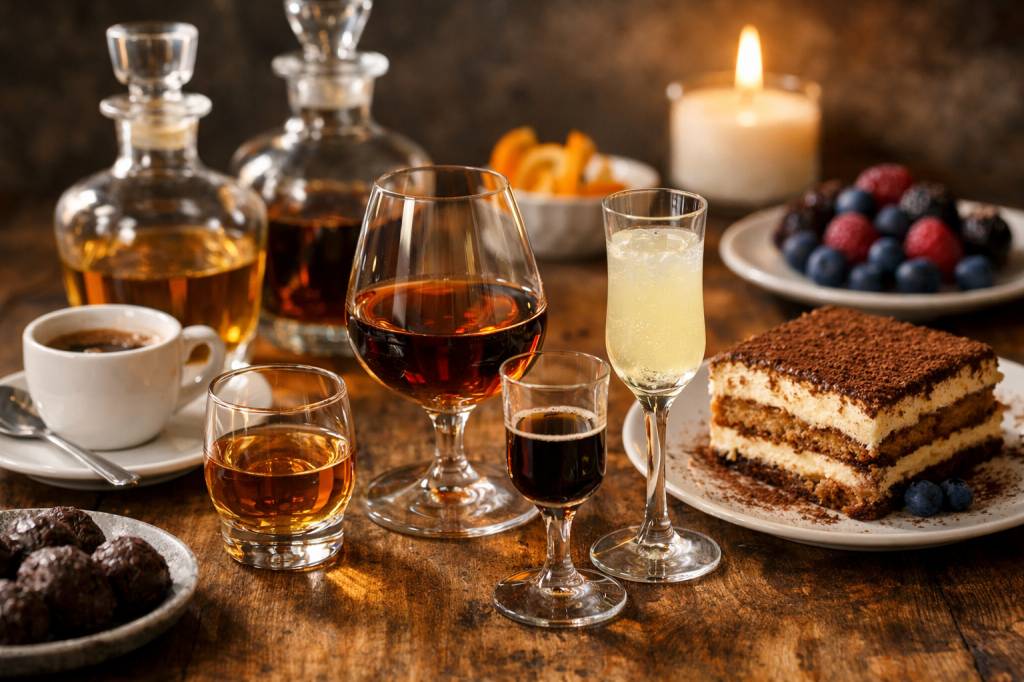
These spirits are often overlooked, which is a shame because they can add real elegance to cocktails. They’re smooth, round, and excellent in drinks that lean classic or dessert-like.
Best used for:
If you like cocktails with a softer, more rounded finish, brandy deserves more attention. It’s also one of the easiest spirits to enjoy neat after dinner.
Wines: fermented, layered, and food-friendly
Wine is made by fermenting grapes, though technically it can also be made from other fruits. Compared with spirits, wine is lower in alcohol and usually more about balance, acidity, fruit, tannin, and aroma than brute strength.
Wine can seem intimidating because there are so many styles, regions, and labels. But at a basic level, you only need to know a few major categories to make better choices at the table.
Red wine
Red wine is made from dark-skinned grapes and fermented with the skins, which gives it color, tannin, and structure. Depending on the grape and style, it can be light and juicy or deep and bold.
Common styles include Pinot Noir, Merlot, Cabernet Sauvignon, Syrah, and Zinfandel.
Red wine usually pairs well with richer food because tannin and acidity help cut through fat. Think roasted meats, grilled vegetables, mushroom dishes, and hard cheeses.
General flavor cues:
White wine
White wine is usually made from green or yellow grapes, and sometimes from red grapes with minimal skin contact. It tends to be brighter, crisper, and more refreshing than red wine.
Common styles include Sauvignon Blanc, Chardonnay, Pinot Grigio, Riesling, and Chenin Blanc.
White wine is ideal for seafood, chicken, salads, creamy sauces, and anything that benefits from acidity. If a dish feels light, a white wine often makes more sense than a heavy red.
General flavor cues:
Rosé
Rosé is made with red grapes, but the skin contact is brief, so the wine gets a pink color without becoming a full red. That’s the short version. The longer version is that rosé can be crisp, fruity, floral, dry, or even a little savory depending on where it comes from.
Rosé is one of the easiest wines to love because it sits comfortably between red and white. It’s especially useful for casual gatherings when you want a bottle that works across different tastes.
It pairs well with:
Sparkling wine
Sparkling wine gets its bubbles from carbon dioxide produced during fermentation. The most famous example is Champagne, but there are many others: Prosecco, Cava, Crémant, and more.
Bubbles make sparkling wine feel festive, but they also do real work at the table. The acidity and effervescence refresh the palate, which is why sparkling wine is so good with salty or fried foods.
Best paired with:
Here’s the practical rule: the drier the sparkling wine, the better it usually works with savory food. If you like your bubbles a bit sweeter, that works too — just match them with something equally approachable.
Fortified wine
Fortified wines are wines that have had a spirit added to them, usually to increase alcohol content and stability. The main examples are Port, Sherry, Madeira, and Vermouth.
They’re often used in small amounts, but they can be brilliant ingredients. Vermouth, for example, is essential in many classic cocktails. Port and Sherry can also be enjoyed on their own or paired with dessert and cheese.
This category is worth knowing because it bridges the gap between wine and spirits. If you’ve ever made a Martini or Manhattan, you’ve already met fortified wine.
Beers: brewed, refreshing, and more diverse than people think
Beer is made by fermenting grains — usually barley, but also wheat, rye, corn, or rice — with hops, yeast, and water. It’s often lower in alcohol than wine and much lower than spirits, which makes it one of the most social and easygoing drinks around.
But “beer” is not one thing. There are ales, lagers, stouts, pilsners, IPAs, wheat beers, sour beers, and many more styles. If your only beer memory is a bitter pint you tolerated at a barbecue, it’s time to expand the field.
Lagers
Lagers are fermented with bottom-fermenting yeast at cooler temperatures. They’re typically clean, crisp, and refreshing.
Common lager styles include pilsners, helles, Märzen, and many standard pale lagers. These are the beers I usually recommend when someone says, “I don’t really drink beer.”
Best for:
Ales
Ales are fermented with top-fermenting yeast at warmer temperatures. They tend to be fruitier, fuller, and more aromatic than lagers.
There are many styles: pale ale, IPA, amber ale, brown ale, Belgian-style ale, and more. The flavor range is huge, which is why “I like beer” can mean five completely different things.
IPAs are especially hop-forward, meaning they can taste citrusy, piney, floral, or aggressively bitter. If you enjoy bold flavors, they’re worth trying. If not, no need to force it — life is too short for beers you don’t like.
Stouts and porters
Stouts and porters are darker beers with roasted flavors. Expect coffee, cocoa, toast, caramel, and sometimes a creamy texture.
These styles are excellent when you want a beer that feels richer and more substantial. They’re also great with chocolate desserts, grilled meats, and anything with a bit of char.
Common flavor cues:
Wheat beers and sours
Wheat beers are brewed with a significant amount of wheat, which gives them a soft, cloudy, and often refreshing profile. They’re usually lighter in flavor and great with citrus or herbal garnishes.
Sour beers, on the other hand, are intentionally tart or acidic. They can be bright, funky, fruity, and very surprising if you’re expecting standard beer flavor.
These styles are useful when you want something more refreshing or food-friendly than a heavier ale.
How to choose the right drink
Here’s the shortcut I use when I’m deciding what to serve or order:
Then narrow it down by flavor:
What to keep at home if you’re building a small bar
You do not need a giant collection to drink well at home. A few carefully chosen bottles cover most situations.
A practical starter lineup:
If you host often, this gives you enough range to make cocktails, pour wine with dinner, and offer beer to guests who prefer something lower-effort. That’s the goal: fewer awkward “so… what do you drink?” moments.
A final practical note on drinking better
The best way to learn alcohol types is not by memorizing labels. It’s by tasting with a purpose. Pour a gin and tonic with a proper garnish. Compare a crisp lager and an IPA side by side. Taste a Pinot Noir next to a Cabernet. Notice what changes: sweetness, acidity, bitterness, texture, aroma.
That’s where the categories stop being abstract and start being useful. You’ll know what you like faster, buy better bottles, and make smarter choices whether you’re mixing cocktails or setting a table for friends.
And honestly, that’s the whole point: not to become a walking spirits encyclopedia, but to feel more confident when the bottle shelf, wine list, or beer menu tries to overwhelm you.