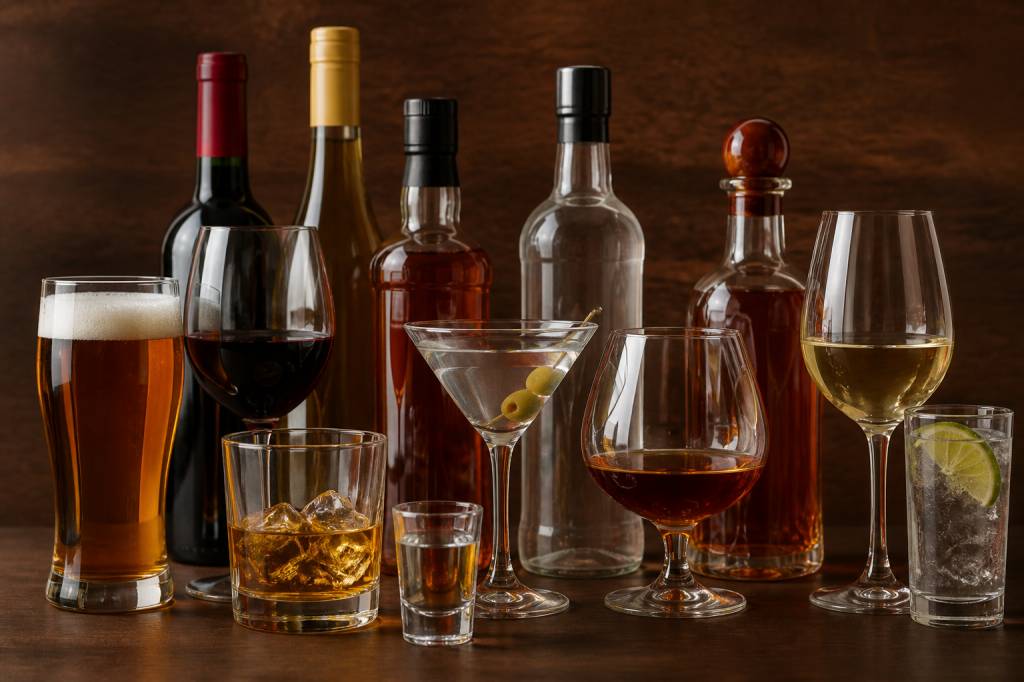



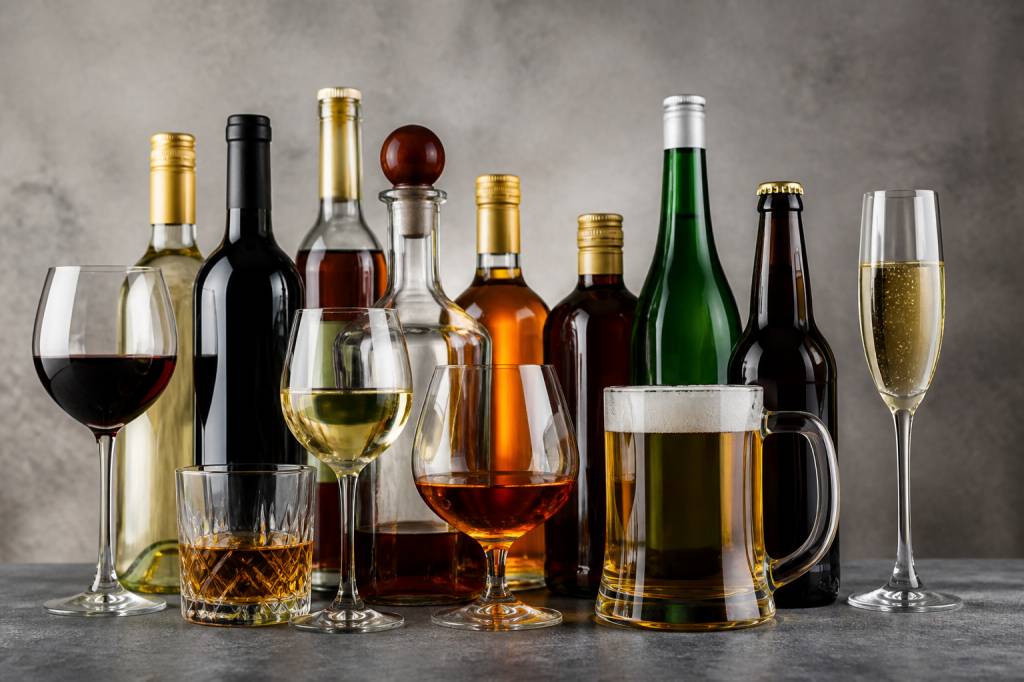
Walking into a well-stocked bar can feel a little like entering a library without knowing how the books are organized. There is vodka beside vermouth, whiskey near wine, and a bottle of something herbal that looks impossible to identify. The good news? Alcohol becomes much easier to understand once you know how it is made and what role it plays in a drink.
Every alcoholic beverage begins with fermentation, but not every drink stops there. Beer and wine are fermented products. Spirits are distilled. Liqueurs usually begin with a spirit, then add sugar, fruit, herbs, spices, nuts, flowers, or cream.
This guide breaks down the major types of alcohol, how they taste, how they are made, and the best ways to use them. Whether you are building a home bar, choosing a bottle for dinner, or trying to order something beyond your usual vodka soda, start here.
Fermented Alcohol vs. Distilled Alcohol
The first distinction is simple: fermentation creates alcohol, while distillation concentrates it.
During fermentation, yeast consumes the sugars in ingredients such as grapes, grains, apples, agave, or sugarcane. The result is an alcoholic liquid, usually with a moderate alcohol content. Wine, beer, cider, and sake are all fermented beverages.
Distillation heats the fermented liquid and separates alcohol from water and other compounds. The alcohol vapor is collected and condensed into a stronger spirit. This is how vodka, rum, gin, tequila, mezcal, whiskey, and brandy are made.
Liqueurs are a slightly different category. They are sweetened alcoholic drinks flavored with ingredients such as coffee, orange peel, cherries, almonds, or cream. Some are made by infusing a neutral spirit, while others begin with a specific base spirit.
- Fermented beverages: beer, wine, cider, sake, and mead.
- Distilled spirits: vodka, gin, rum, tequila, mezcal, whiskey, and brandy.
- Liqueurs: sweetened and flavored alcoholic drinks used for sipping, cooking, or mixing.
Beer: Grain, Hops, and Endless Variety
Beer is one of the oldest alcoholic drinks in the world, and it remains one of the most varied. It is generally made from water, malted barley, yeast, and hops, although wheat, rye, corn, rice, and other grains may also be used.
Malted grain provides fermentable sugars. Hops add bitterness, aroma, and structure. Yeast transforms the sugars into alcohol and carbon dioxide. The type of yeast, fermentation temperature, ingredients, and aging process all affect the final flavor.
Beer is usually divided into two broad families: ales and lagers.
- Ales: fermented with top-fermenting yeast, often at warmer temperatures. They can be fruity, rich, spicy, or highly aromatic.
- Lagers: fermented with bottom-fermenting yeast at cooler temperatures. They are often crisp, clean, and refreshing.
Common beer styles include pilsner, pale ale, IPA, stout, porter, wheat beer, sour beer, and Belgian ale. A pilsner is typically light and crisp, while an IPA brings noticeable hop bitterness and citrus or tropical aromas. Stouts and porters are darker, with flavors of coffee, chocolate, caramel, or roasted grain.
Beer is more useful in cocktails than many people realize. A splash of lager can add lift to a shandy, while a stout can bring roasted depth to a dessert-inspired drink. For a simple warm-weather option, combine equal parts wheat beer and lemonade, then add a squeeze of lemon. No complicated bar tools required.
Wine: More Than Red, White, and Rosé
Wine is made from fermented grapes, although fruit wines made from apples, pears, berries, and other produce also exist. The grape variety, climate, soil, fermentation method, and aging process all shape the final bottle.
Red wine is made with dark-skinned grapes and usually ferments with the grape skins. This gives the wine its color, tannins, and additional flavor compounds. Cabernet Sauvignon, Pinot Noir, Merlot, Syrah, and Malbec are common red varieties.
White wine is generally made without prolonged contact with grape skins. Chardonnay, Sauvignon Blanc, Riesling, and Pinot Grigio are familiar examples. White wines can range from crisp and mineral-driven to rich, creamy, and buttery.
Rosé is made from red grapes but with limited skin contact. The result is a pink wine that may be dry, fruity, floral, or slightly sweet. It is not simply “red wine diluted with white wine,” despite what certain questionable party explanations may suggest.
Sparkling wine contains carbonation. Champagne is sparkling wine from the Champagne region of France, while Prosecco, Cava, and Crémant come from other regions and use different production methods. Sparkling wine is one of the most versatile choices for celebrations, brunch, and cocktails.
Fortified wine has additional distilled alcohol added during or after fermentation. Port, sherry, Madeira, and vermouth belong to this broad family. Vermouth deserves special attention because it is essential in classic cocktails such as the Martini, Manhattan, and Negroni.
- Dry wines: contain little residual sugar and work well with savory foods.
- Sweet wines: retain more sugar and pair beautifully with desserts, spicy dishes, or strong cheeses.
- Sparkling wines: bring acidity and bubbles, making them excellent aperitifs.
- Fortified wines: offer greater body, complexity, and, in many cases, higher alcohol.
When cooking or mixing with wine, use a bottle you would actually drink. It does not need to be expensive, but “cooking wine” often contains extra salt and harsh flavors. I learned this after making a white wine sauce that tasted more like seasoned broth than dinner. The better bottle made an immediate difference.
Vodka: Clean, Neutral, and Surprisingly Versatile
Vodka is a distilled spirit traditionally made from grains or potatoes, although it can also be produced from grapes, corn, or other agricultural ingredients. It is usually distilled to a high level of purity, resulting in a relatively neutral flavor profile.
That neutrality makes vodka a flexible cocktail base. It allows ingredients such as citrus, ginger, coffee, herbs, and fruit to take center stage. Classic vodka cocktails include the Moscow Mule, Bloody Mary, Cosmopolitan, Espresso Martini, and Vodka Martini.
Not all vodka tastes identical. Some have a creamy texture, mineral character, peppery finish, or subtle sweetness. Still, the most important qualities for mixing are balance, smoothness, and a clean finish. You do not need the most expensive bottle on the shelf for a good cocktail, but extremely cheap vodka can bring a sharp alcohol burn.
Gin: Botanicals in a Bottle
Gin is a distilled spirit flavored primarily with juniper. Other botanicals may include coriander, citrus peel, angelica root, cardamom, cinnamon, cucumber, pepper, or floral ingredients.
London Dry Gin is generally juniper-forward and dry. Contemporary gins may be softer, fruitier, or more floral. Old Tom Gin is slightly sweeter, while Navy Strength Gin has a higher alcohol content and a bolder profile.
Gin is the backbone of the Gin and Tonic, Martini, Tom Collins, Negroni, and Gimlet. The choice of gin can dramatically change the drink. A citrus-forward gin may brighten a Gimlet, while a traditional juniper-heavy gin gives a Negroni more structure.
My practical advice: taste your gin with a little tonic before using it in a full cocktail. It takes thirty seconds and can prevent an overly floral drink from taking over the entire evening.
Rum: From Fresh Sugarcane to Deep Molasses
Rum is made from sugarcane products, usually molasses or fresh sugarcane juice. It is produced throughout the Caribbean, Latin America, and other tropical regions, with each area developing distinct traditions.
- White rum: light in color and usually clean, making it ideal for Daiquiris and Mojitos.
- Gold or amber rum: aged or blended to bring notes of vanilla, caramel, and spice.
- Dark rum: richer and deeper, with molasses, toasted sugar, and baking spice flavors.
- Agricole rum: made from fresh sugarcane juice and known for grassy, earthy notes.
- Overproof rum: higher in alcohol and best used carefully for intensity or a controlled float.
Rum works beautifully with lime, pineapple, coconut, mint, ginger, and tropical spices. The Daiquiri is a perfect example of why quality and balance matter: rum, fresh lime juice, and sugar. Three ingredients, no fruit blender required.
Tequila and Mezcal: Agave with Character
Tequila is made from blue Weber agave and must be produced in specific regions of Mexico. The agave is cooked, fermented, distilled, and often aged.
- Blanco: unaged or lightly rested, with fresh agave, citrus, pepper, and vegetal notes.
- Reposado: aged in oak for several months, adding vanilla, caramel, and spice.
- Añejo: aged longer, creating a smoother and richer profile.
- Extra añejo: aged for an extended period and often enjoyed slowly.
Mezcal is also made from agave, but it can be produced from many agave varieties. The agave hearts are traditionally roasted in underground pits, giving mezcal its recognizable smoky character. Not every mezcal is intensely smoky, but most have an earthy, savory quality.
Use blanco tequila in Margaritas, Palomas, and Ranch Water. Reposado tequila adds warmth to stirred drinks. Mezcal is excellent with grapefruit, lime, chili, pineapple, and savory ingredients. If you are new to mezcal, start with a small pour rather than building an entire smoky cocktail around it.
Whiskey: Grain, Oak, and Time
Whiskey is distilled from fermented grains and aged in wooden barrels. The spelling varies by region: “whiskey” is common in Ireland and the United States, while “whisky” is generally used in Scotland, Canada, and Japan.
Whiskey styles differ by grain, location, distillation method, and aging rules.
- Bourbon: an American whiskey made primarily from corn, often rich with vanilla, caramel, and oak.
- Rye whiskey: spicier and drier, with pepper, herbs, and baking spice.
- Scotch whisky: can be malty, smoky, fruity, or coastal depending on the region and production style.
- Irish whiskey: often smooth and approachable, with fruit, cereal, and honeyed notes.
- Japanese whisky: frequently precise and elegant, drawing inspiration from Scottish traditions while developing its own style.
Whiskey is used in the Old Fashioned, Manhattan, Whiskey Sour, Boulevardier, and Mint Julep. When choosing a bottle, think about how you plan to drink it. A bold, smoky whisky may be fascinating neat but overpowering in a delicate cocktail.
Brandy and Cognac: Fruit Distilled with Elegance
Brandy is a spirit distilled from fermented fruit, most commonly grapes. Apple brandy, pear brandy, cherry brandy, and other fruit brandies are also available.
Cognac is a specific type of grape brandy produced in the Cognac region of France under strict regulations. Armagnac is another French brandy with its own traditions and a distinct personality.
Brandy can be sipped neat, served over ice, or used in cocktails such as the Sidecar, Brandy Alexander, and Vieux Carré. It brings fruit, oak, spice, and warmth to a drink, making it especially appealing during colder months.
Liqueurs: The Flavorful Tools of a Home Bar
Liqueurs are sweetened and flavored alcoholic beverages. They may be made from a neutral spirit, rum, brandy, whiskey, or another base. Their sugar and concentrated flavors make them powerful cocktail ingredients, so a little often goes a long way.
- Orange liqueurs: triple sec, curaçao, and Cointreau. Essential in Margaritas, Sidecars, and Cosmopolitans.
- Coffee liqueurs: rich, sweet, and useful in Espresso Martinis or dessert drinks.
- Herbal liqueurs: complex and often bittersweet, such as amaro or Chartreuse.
- Nut and fruit liqueurs: almond, hazelnut, cherry, raspberry, peach, and pear varieties.
- Cream liqueurs: smooth and sweet, commonly served over ice or added to coffee and dessert cocktails.
Amaro deserves a special mention. These Italian-style bittersweet liqueurs are made with herbs, roots, citrus, spices, and other botanicals. Some are light and orangey, while others are dark, medicinal, and intensely bitter. Amaro can be enjoyed after dinner, mixed with soda, or used to add complexity to a cocktail.
How to Choose the Right Alcohol
Start with the flavor you want, not the label you think you should buy. Do you want something crisp, smoky, fruity, bitter, creamy, spicy, or refreshing?
- Choose vodka for a clean base that lets other flavors shine.
- Choose gin for herbal, citrusy, or botanical drinks.
- Choose rum for tropical flavors and soft sweetness.
- Choose tequila or mezcal for agave, citrus, earthy, or smoky notes.
- Choose whiskey for oak, spice, caramel, and depth.
- Choose wine or beer when you want lower-proof refreshment, food pairing, or a drink to enjoy over a longer period.
- Choose a liqueur when you need sweetness and a concentrated flavor accent.
Pay attention to alcohol by volume, or ABV. Beer and wine are often lower in alcohol than spirits, but serving size matters. A standard cocktail can contain as much alcohol as a serving of wine, especially when it includes multiple ounces of spirits.
Build a Practical Home Bar
You do not need forty bottles to make good drinks. Start with one versatile bottle from each major style, then expand based on what you actually enjoy.
- One vodka, gin, rum, tequila, and whiskey.
- One dry vermouth and one sweet vermouth.
- One orange liqueur.
- One coffee or herbal liqueur if those flavors appeal to you.
- Bitters, fresh citrus, simple syrup, tonic, soda water, and quality ice.
Store vermouth and other fortified wines in the refrigerator after opening. Keep spirits away from direct sunlight and extreme heat. Fresh citrus should be squeezed close to serving time; bottled juice rarely delivers the same brightness.
The best bottle is not necessarily the most expensive one. It is the bottle that suits your palate, fits your budget, and gives you a reason to reach for the shaker. Start by tasting thoughtfully, mixing with fresh ingredients, and paying attention to balance. Once you understand the basic families of alcohol, the bar stops looking intimidating and starts looking like a very well-organized recipe box.