



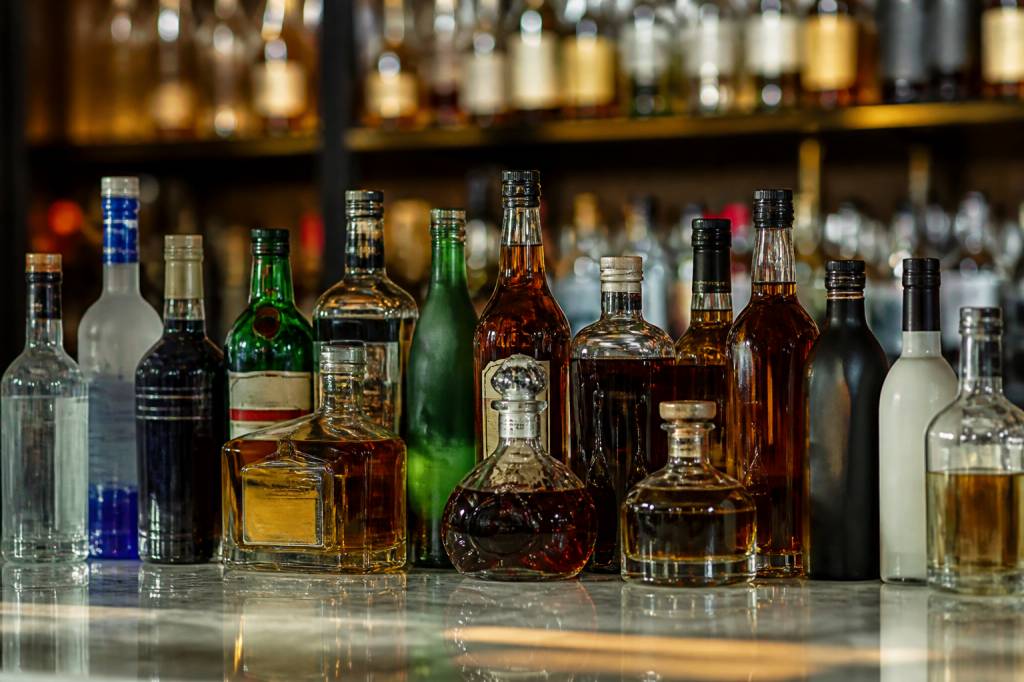
Standing in front of a well-stocked back bar can feel like trying to read a foreign language. Bourbon, rye, blanco tequila, London dry gin, amaro, crème de cassis—what do all those alcohol bottle names actually mean, and which ones belong in your next cocktail?
I remember buying my first “serious” bottle for a dinner party. I knew I wanted something for cocktails, but the labels gave me very little confidence. Was a reposado tequila sweet? Was all rum made for tropical drinks? And why did one bottle say “liqueur” while another simply said “spirit”? A little label knowledge would have saved me from making three overly sweet drinks and one surprisingly smoky Manhattan.
This guide breaks down the most common alcohol bottle names, from base spirits to liqueurs and specialty bottles. Use it when shopping, building a home bar, or deciding what to pour when a recipe calls for an ingredient you do not recognize.
Spirit or liqueur: what is the difference?
The easiest place to start is with the difference between a spirit and a liqueur.
Spirits, also called distilled spirits or liquor, are made by fermenting a base ingredient and then distilling it. Common examples include vodka, gin, rum, tequila, mezcal, whiskey, and brandy. They are usually not sweetened, although some may have natural flavor or color from aging.
Liqueurs are flavored and usually sweetened spirits. Their flavors may come from fruit, herbs, flowers, spices, nuts, coffee, cream, or other botanicals. Examples include orange liqueur, amaretto, coffee liqueur, elderflower liqueur, and Irish cream.
A simple rule helps: if the bottle is designed to provide sweetness and flavor as well as alcohol, it is probably a liqueur. If it is mainly the structural foundation of a drink, it is probably a spirit.
That distinction matters when mixing. Replacing vodka with an orange liqueur is not a one-for-one swap unless you also adjust the sugar. Your cocktail may go from crisp to syrupy in a single pour.
Vodka bottle names
Vodka is a neutral spirit, meaning it is typically distilled to have a clean, subtle flavor. It can be made from wheat, corn, rye, potatoes, grapes, or other fermentable ingredients.
- Plain vodka: Clean and neutral, ideal for Martinis, Moscow Mules, Cosmopolitans, and simple mixed drinks.
- Wheat or grain vodka: Often light and smooth, with a soft texture.
- Potato vodka: May feel fuller or creamier on the palate.
- Flavored vodka: Infused or flavored with ingredients such as citrus, vanilla, berry, or pepper.
- Unfiltered vodka: Sometimes retains a slightly more textured or distinctive character.
Do not assume that a higher price automatically means a better cocktail. For drinks with strong flavors, such as a Bloody Mary or a fruit-forward punch, a dependable mid-range vodka is usually enough. For a Martini, where the spirit is the drink, choose a bottle you genuinely enjoy chilled and neat.
Gin bottle names
All gin must contain juniper, but the rest of the botanical recipe can vary dramatically. This is why two gin bottles can produce completely different Negronis.
- London Dry Gin: Juniper-forward, aromatic, and usually dry. It is a classic choice for Gin and Tonics, Negronis, and Martinis.
- Contemporary or New Western Gin: Juniper is present but may share the spotlight with citrus, flowers, herbs, or spices.
- Old Tom Gin: Slightly sweeter and softer than London Dry Gin. It works beautifully in a Tom Collins or Martinez.
- Plymouth Gin: A style traditionally associated with a softer, earthier profile and a balanced botanical character.
- Navy Strength Gin: Higher in alcohol, often around 57% ABV. Use a lighter hand because it brings both intensity and heat.
- Flavored or barrel-aged gin: Made with additional fruit, herbs, spices, or time in wood.
When a recipe simply says “gin,” London Dry is usually the safest starting point. If the cocktail includes delicate ingredients such as cucumber, elderflower, or fresh berries, a softer contemporary gin may be a better match.
Whiskey and whisky labels
Whiskey is made from fermented grain and aged in wooden barrels, although aging requirements vary by style and country. The spelling often gives you a clue: “whiskey” is common in the United States and Ireland, while “whisky” is generally used in Scotland, Canada, and Japan.
- Bourbon: American whiskey made with at least 51% corn. It is often rich, sweet, and marked by vanilla, caramel, and oak.
- Rye whiskey: Made with at least 51% rye in the United States. Rye usually tastes spicier, drier, and more assertive than bourbon.
- Tennessee whiskey: Similar to bourbon in its grain requirements, but traditionally associated with charcoal filtering before aging.
- Scotch whisky: Made in Scotland. It may be single malt, blended malt, single grain, or blended Scotch.
- Irish whiskey: Made in Ireland and often known for a smooth, approachable profile, although styles range from light to richly pot still-driven.
- Canadian whisky: Frequently lighter and smoother, though the category includes a wide range of styles.
- Japanese whisky: Often inspired by Scotch techniques, with an emphasis on precision, balance, and delicate complexity.
You will also see terms such as straight, single barrel, small batch, and blended. “Straight” generally indicates aging and production requirements have been met. “Single barrel” means the whiskey came from one barrel, so bottles may vary slightly. “Small batch” sounds appealing, but it does not have one universal legal definition in the United States.
For cocktails, bourbon gives an Old Fashioned a rounder, sweeter profile. Rye creates a sharper, spicier Manhattan. Neither is more correct. It depends on whether you want the drink to wear a velvet jacket or a leather jacket.
Rum bottle names
Rum is made from sugarcane juice, sugarcane syrup, or molasses. The label may describe its color, aging, production style, or place of origin.
- White or silver rum: Light in color and usually clean, though it may still have character. A classic choice for Daiquiris and Mojitos.
- Gold or amber rum: Often aged or blended to create deeper notes of vanilla, caramel, and spice.
- Dark rum: Richer in color and flavor. It may be aged, blended with darker rums, or colored for a fuller appearance.
- Aged rum: Rested in barrels for a specific period. It can be sipped or used in spirit-forward cocktails.
- Overproof rum: Bottled at a higher alcohol level. It is powerful and should be measured carefully.
- Rhum agricole: Made from fresh sugarcane juice rather than molasses, often with grassy, earthy, and herbal notes.
- Spiced rum: Flavored with spices such as vanilla, cinnamon, clove, or allspice.
Color is not a perfect guide to flavor. A white rum can be complex, and a dark rum may be sweetened or colored. For a bright Daiquiri, look for a crisp white rum. For a Mai Tai or a rum Old Fashioned, an aged or blended rum will usually provide more depth.
Tequila bottle names
Tequila is made from blue Weber agave and must be produced in designated regions of Mexico. The most useful names on a tequila bottle describe how long it has been aged.
- Blanco or silver tequila: Usually unaged or aged for a short period. Fresh, peppery, citrusy, and ideal for Margaritas and Palomas.
- Reposado tequila: Aged in oak for at least two months and less than one year. It often has notes of vanilla, spice, and gentle oak.
- Añejo tequila: Aged for at least one year. Richer and smoother, with more pronounced barrel character.
- Extra añejo tequila: Aged for at least three years. Often best enjoyed slowly, like a sipping spirit.
- Joven or gold tequila: A blend or style that may combine blanco tequila with aged tequila, coloring, or other permitted additions.
Look for “100% agave” on the label. Tequila that does not carry this designation may be a mixto, meaning it contains sugars from sources other than agave. For a fresh Margarita, blanco tequila is my usual choice because it keeps the agave and citrus flavors clear. Reposado is excellent when you want a softer, rounder drink.
Mezcal bottle names
Mezcal is a broad category of agave spirits made in Mexico. Tequila is technically one type of agave spirit, but mezcal can be made from many different agave varieties and produced in several regions.
Many mezcals have a smoky profile because the agave hearts are traditionally roasted in underground pits. However, smoke is only one part of the story. Depending on the agave and production method, mezcal can also taste earthy, fruity, floral, mineral, or vegetal.
- Espadín: The most common agave variety used for mezcal. It is often approachable and versatile.
- Joven: Usually unaged mezcal, allowing the roasted agave character to stand out.
- Reposado or añejo mezcal: Aged in wood, adding vanilla, spice, and oak to the agave profile.
- Artisanal or ancestral mezcal: Terms that describe traditional production methods, equipment, and processes.
Mezcal is fantastic in a Margarita variation, Oaxaca Old Fashioned, or Paloma. Start by replacing only part of the tequila with mezcal. A half-ounce can add smoke without turning the drink into a campfire.
Brandy, Cognac, and Armagnac
Brandy is a spirit distilled from fermented fruit, most commonly grapes. It may be made anywhere, while Cognac and Armagnac are specific French brandy categories with geographic and production requirements.
- Brandy: A broad category that may include grape brandy or brandy made from other fruits.
- Cognac: Grape brandy from the Cognac region of France. It is often elegant, fruity, floral, and oaky.
- Armagnac: French brandy from the Armagnac region, frequently more rustic, robust, and aromatic.
- VS: “Very Special,” indicating the youngest brandy in the blend has been aged for at least two years.
- VSOP: “Very Superior Old Pale,” with a youngest component aged for at least four years.
- XO: “Extra Old,” with a youngest component aged for at least ten years under current Cognac regulations.
Use brandy in a Sidecar, Brandy Alexander, or classic Champagne cocktail. Cognac does not have to be reserved for a special occasion; a good VS or VSOP can make a remarkably balanced cocktail.
Common liqueur bottle names
Liqueur labels can be the most confusing because they often describe a flavor rather than a precise category. These are the bottles you will see most often in cocktail recipes.
- Orange liqueur: A broad category that includes triple sec, curaçao, and orange-flavored brandies such as Grand Marnier. Essential for Margaritas, Cosmopolitans, and Sidecars.
- Triple sec: A clear, sweet orange liqueur. Brands vary widely in quality and sweetness.
- Curaçao: Orange liqueur that may be clear, orange, or blue. The color does not necessarily indicate a different flavor.
- Amaretto: A sweet almond-flavored liqueur, often with apricot kernel notes. Useful in sours, coffee drinks, and dessert cocktails.
- Coffee liqueur: Sweet, rich, and coffee-forward. Common in Espresso Martinis and White Russians.
- Elderflower liqueur: Floral, lightly sweet, and excellent with gin, sparkling wine, cucumber, and citrus.
- Herbal liqueur: Made with botanicals, roots, and spices. Examples include Chartreuse, Benedictine, and Jägermeister.
- Amaro: An Italian-style bitter-sweet herbal liqueur. It can be enjoyed neat, with soda, or in cocktails such as the Paper Plane and Black Manhattan.
- Crème liqueur: A sweet liqueur category. Despite the name, “crème” does not always mean dairy; crème de cassis, for example, is a blackcurrant liqueur.
- Cream liqueur: Contains dairy or a dairy-style ingredient, such as Irish cream.
- Vermouth: A fortified, aromatized wine rather than a distilled spirit. Dry vermouth is used in Martinis, while sweet vermouth is essential in Manhattans and Negronis.
One important shopping tip: liqueurs spoil or lose freshness more quickly than most spirits. Store vermouth in the refrigerator after opening, and check cream liqueurs for storage instructions. If an old bottle smells flat, sour, or strangely stale, it is time to replace it.
How to read an alcohol bottle label
When you are unsure about a bottle, scan the label in this order:
- Category: Is it vodka, whiskey, tequila, rum, brandy, or liqueur?
- Style: Is it bourbon, reposado, London Dry, amaro, or triple sec?
- Origin: The country or region may tell you a lot about production rules and flavor.
- Age statement: This can indicate maturity, but older does not automatically mean better for cocktails.
- ABV: A higher alcohol percentage means more intensity, not necessarily more quality.
- Ingredients and sugar: Particularly useful for flavored spirits and liqueurs.
- Production terms: Words such as “100% agave,” “single malt,” or “barrel proof” provide useful context.
Remember that marketing language can sound more specific than it really is. “Premium,” “reserve,” and “handcrafted” may be appealing, but they are not always reliable indicators of flavor or value. Read the category first, then decide whether the bottle suits the drink you want to make.
Building a useful home bar
You do not need every bottle in the shop. Start with a small, flexible collection:
- One vodka or gin, depending on your favorite drinks.
- One bourbon or rye whiskey.
- One blanco tequila.
- One white rum.
- One orange liqueur.
- One coffee, herbal, or fruit liqueur that you will genuinely use.
- Dry and sweet vermouth, stored in the refrigerator.
- Aromatic bitters and orange bitters.
From there, add bottles based on your recipes rather than collecting randomly. If you love Margaritas, upgrade your tequila and orange liqueur. If Manhattans are your drink, experiment with rye, bourbon, and different sweet vermouths. If you prefer refreshing highballs, explore gin, rum, and amaro.
The best bottle is not the one with the most impressive name. It is the one that fits your taste, your budget, and the cocktails you will actually make. Once you understand the label, the back bar stops looking intimidating—and starts looking like a menu.