




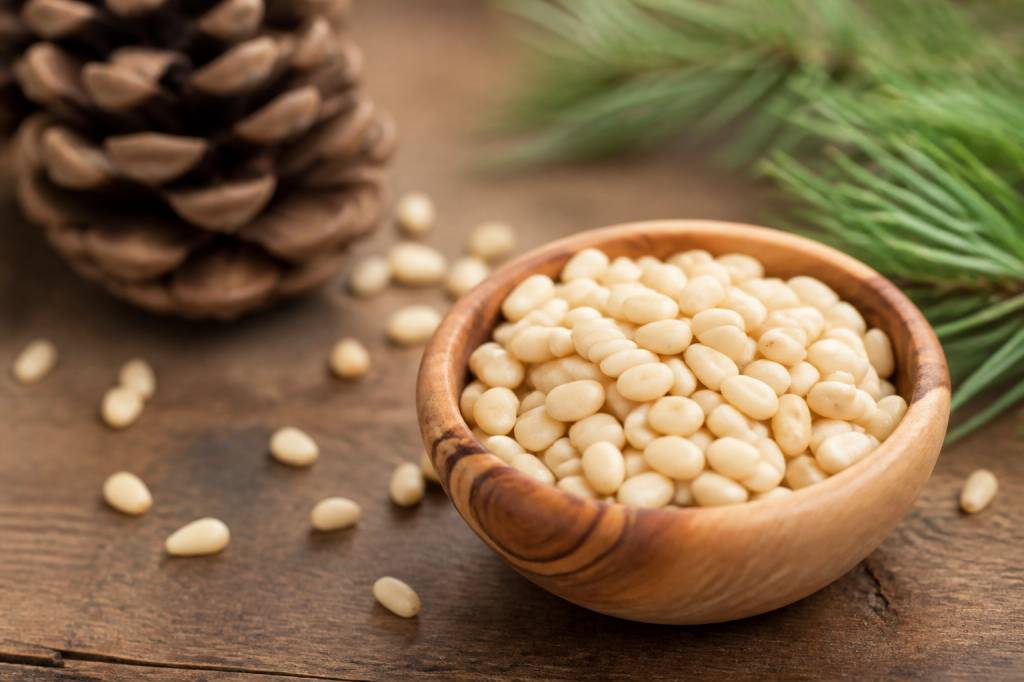
If you’ve ever started a recipe only to realize you’re out of pine nuts, you’re not alone. I’ve had that exact moment while prepping pesto for a dinner with friends, and let’s just say the panic was real for about 30 seconds. The good news? Pine nuts are lovely, but they’re not irreplaceable. In both cooking and mixology, there are plenty of smart alternatives that can deliver crunch, richness, or subtle nutty depth without throwing your recipe off balance.
The trick is knowing what role pine nuts are playing in the first place. Are they there for buttery texture? Mild sweetness? A toasted note? Once you understand that, choosing a substitute becomes easy. And yes, that matters just as much in a salad or pasta dish as it does in a cocktail garnish or infused syrup.
What pine nuts actually bring to a recipe
Pine nuts have a very specific profile: soft, buttery, lightly sweet, and gently resinous. They’re not loud. They don’t dominate. They blend in while still adding richness and a little luxury. In cooking, that often means texture in pesto, crunch in salads, or depth in baked dishes. In mixology, they’re less common, but they can show up in syrup infusions, nut-based liqueur-style components, infused spirits, or as a garnish for earthy, dessert-style cocktails.
So when you’re looking for an alternative, ask yourself one simple question: do I need the flavor, the texture, or both?
Best substitutes for pine nuts in cooking
For most recipes, you can swap pine nuts with another nut or seed that matches the job you need it to do. Some options are closer in flavor, while others are simply better for crunch, budget, or availability.
- Walnuts – Probably the most common substitute in pesto. They’re more bitter and earthy than pine nuts, so they bring a stronger flavor. Toast them lightly to soften the bitterness and deepen the nuttiness.
- Almonds – A great all-purpose replacement. Slivered or chopped almonds have a clean, mild flavor and a nice crunch. They work especially well in salads, baked dishes, and pesto if you want a lighter result.
- Cashews – My go-to when I want creaminess. Cashews are softer and sweeter than pine nuts, which makes them ideal for creamy pestos, sauces, and spreads. They’re less crunchy, but very forgiving.
- Sunflower seeds – Excellent for nut-free cooking. They have a pleasant toasted flavor and a similar size to pine nuts. I like them in pesto when I’m cooking for someone with a nut allergy.
- Pumpkin seeds – Also nut-free, with a more pronounced earthy flavor. They’re a little chewier and darker in taste, but they do the job beautifully in savory recipes.
- Hazelnuts – Rich and aromatic, though definitely more assertive than pine nuts. Best used when you want the recipe to feel deeper and more roasted.
- Macadamia nuts – Very buttery, very soft, and quite luxurious. Not the cheapest option, but they’re one of the closest matches to the richness of pine nuts.
The best substitute for pesto
If you’re making pesto, the best substitute depends on what kind of pesto you want. For a classic basil pesto flavor, I usually reach for almonds or walnuts. If I want a smoother, milder version, cashews win. If the goal is a nut-free pesto, sunflower seeds are the easiest swap.
Here’s how I’d rank them for pesto:
- Closest in texture: almonds, macadamias
- Most budget-friendly: walnuts, sunflower seeds
- Best for nut-free cooking: sunflower seeds, pumpkin seeds
- Best for creaminess: cashews
One practical tip: always toast your substitute lightly before blending. It makes a huge difference. I learned that the hard way after making a pesto with raw walnuts once. It tasted fine, but it lacked that warm, nutty backbone that makes pesto feel finished. Ten minutes in a dry skillet would have saved the whole thing.
If you’re swapping in a pesto recipe, keep the ratio simple: use the same amount of substitute as you would pine nuts. Start with less salt, taste, and adjust after blending, because some nuts bring more bitterness or sweetness than others.
Alternatives for salads, pasta, and baked dishes
When pine nuts are used as a topping or mix-in, texture matters more than exact flavor. That gives you more freedom. A salad with toasted pine nuts can easily take chopped almonds, pistachios, or sunflower seeds. In pasta dishes, especially ones with greens or roasted vegetables, walnuts and hazelnuts work very well because they bring a roasted note that plays nicely with garlic, olive oil, and parmesan.
For baked dishes like couscous, grain salads, or vegetable bakes, I like seeds even more than nuts. Pumpkin seeds and sunflower seeds hold their texture, toast beautifully, and stay crisp longer. If you’re planning ahead for a party, that’s useful. No one wants soggy toppings an hour after serving.
If your recipe calls for pine nuts in a sweet-savory context, such as with raisins, herbs, or roasted squash, try:
- slivered almonds
- chopped pistachios
- toasted hazelnuts
- pumpkin seeds
Each one shifts the flavor slightly, but all of them keep the dish interesting.
Nut-free options that actually taste good
Nut-free cooking doesn’t have to feel like a compromise. In fact, some of the best substitutes for pine nuts are seeds, because they mimic the toasted crunch without the allergen risk.
Sunflower seeds are the easiest win. They’re inexpensive, easy to find, and neutral enough to work in almost any savory recipe. Pumpkin seeds are better if you want something a little earthier and more robust. Hemp seeds can also work in a pinch, especially for soft-textured sauces, though they’re not ideal if you want crunch.
If you’re making a pesto-style sauce without nuts, try this formula:
- 2 cups fresh herbs
- 1/3 cup toasted sunflower seeds or pumpkin seeds
- 1 small garlic clove
- 1/2 cup olive oil
- 2 to 3 tablespoons grated hard cheese, if using
- salt and lemon juice to taste
You still get that bright, savory, emulsified result, just without the pine nuts. Simple. Effective. No drama.
What works in mixology
Pine nuts aren’t a standard bar ingredient, but their flavor profile can be echoed in cocktails that use nuts, seeds, herbs, or dessert-style notes. If you’re building a cocktail component inspired by pine nuts, think in terms of mild nuttiness, buttery mouthfeel, and toasted depth.
For mixology, the best substitutes are often not whole nuts dropped into a shaker. Instead, you want ingredients that infuse cleanly and don’t create grit or overpower the drink.
- Orgeat – Almond syrup is the most cocktail-friendly substitute if you want nutty sweetness. It works beautifully in tiki-style drinks, sour cocktails, and anything that needs softness.
- Hazelnut liqueur – Stronger and more pronounced than pine nuts, but useful in dessert cocktails or autumn drinks.
- Macadamia syrup – If you can find it, this is one of the closest ways to bring buttery richness into a drink.
- Sesame syrup or toasted sesame infusion – Unexpected, but excellent in certain savory cocktails. It brings toastiness rather than sweetness.
- Sunflower seed or pumpkin seed syrup – Less common, but interesting in small-batch cocktail experiments when you want earthy depth without strong nuttiness.
For most home bartenders, almond-based ingredients are the easiest and most reliable. If you’re making an amaretto sour variation, a tropical spritz, or a creamy after-dinner drink, almond notes tend to blend naturally. Pine nut character is subtler, so you usually want a light hand.
How to use substitutes in cocktails without making things weird
My advice? Keep the substitution subtle. In cocktails, a little nut character goes a long way. If you overdo it, the drink can start tasting heavy or dusty, and nobody wants a cocktail that feels like cabinet cleaner and trail mix had a fight.
Here are a few practical ways to use pine nut alternatives in mixology:
- As a syrup infusion: toast your nuts or seeds first, then steep them in simple syrup for 30 to 45 minutes. Strain well.
- As a garnish: use crushed toasted almonds, pistachios, or pumpkin seeds on a syrup-rimmed glass for texture.
- As a fat-wash flavor: if you’re advanced, macadamias or almonds can add a creamy, round note to spirits like rum or bourbon.
- As a flavor bridge: pair nutty substitutes with citrus, honey, vanilla, rosemary, basil, or stone fruit.
A simple example: a gin cocktail with lemon, honey syrup, and a small amount of almond or macadamia syrup can mimic the soft richness you’d expect from pine nuts without becoming too sweet. If you’re using a seed-based ingredient, balance it with a fresh acid like lime or grapefruit so the drink stays bright.
How to choose the right substitute
If you’re standing in the kitchen or behind the bar trying to make a quick decision, use this shortcut:
- Need the closest flavor? Try macadamias or almonds.
- Need crunch? Try almonds, walnuts, sunflower seeds, or pumpkin seeds.
- Need creaminess? Try cashews.
- Need a nut-free option? Try sunflower seeds or pumpkin seeds.
- Need a stronger roasted note? Try hazelnuts or walnuts.
- Need something cocktail-friendly? Try orgeat, macadamia syrup, or hazelnut liqueur.
Also, think about the rest of the recipe. A delicate basil pesto needs a softer substitute than a roasted squash salad. A bright citrus cocktail needs less nuttiness than a winter dessert drink. Matching intensity matters more than matching the ingredient exactly.
A few mistakes to avoid
There are a couple of easy ways to go wrong when replacing pine nuts, and they’re all avoidable.
- Using too much of a strong nut: walnuts and hazelnuts can overpower a delicate recipe.
- Skipping the toast: raw nuts and seeds can taste flat. Toasting adds depth fast.
- Forgetting about texture: cashews are great for creaminess, but not for crunch.
- Over-sweetening a cocktail: if you use almond syrup or hazelnut liqueur, balance with acid.
- Not tasting after swapping: every substitute changes the seasoning slightly, so always adjust salt, lemon, or sweetness at the end.
My go-to swaps in real life
If I’m making pesto on a weeknight, I usually grab almonds or sunflower seeds because they’re the easiest to keep on hand. For a dinner party salad, chopped pistachios or toasted walnuts are usually enough to make the dish feel intentional and a little more special. And for cocktails, I’m much more likely to reach for almond syrup or a homemade nut infusion than to try to force a pine-nut flavor into the glass directly.
The main lesson here is simple: pine nuts are replaceable, but your substitute should fit the purpose of the recipe. Once you stop thinking of pine nuts as essential and start thinking of them as one option among many, you open up a lot more flexibility in the kitchen and behind the bar.
So the next time a recipe calls for pine nuts and your pantry gives you the silent treatment, don’t panic. Toast something else, taste as you go, and keep moving. The best dishes—and the best cocktails—usually come from knowing how to adapt without overcomplicating things.