





If you’ve ever started a cake or cookie recipe only to realize you’re out of coconut oil, don’t panic. You do not need to abandon dessert and order takeout. There are several solid substitutes for coconut oil in baking, and the best one depends on what you’re making, the texture you want, and whether you need a flavor-neutral swap or something with a little personality.
I’ve had this exact moment more than once. You’re halfway through measuring flour, the bowl is ready, and then you open the pantry and find an empty coconut oil jar staring back at you like it has bad news. The good part? Baking is more forgiving than people think. If you understand what coconut oil does in a recipe, you can swap it pretty confidently.
What coconut oil actually does in baking
Coconut oil is more than just “fat.” In cakes, cookies, muffins, and brownies, it helps with moisture, tenderness, structure, and mouthfeel. It also behaves a little differently depending on temperature because it is solid when cool and melts fairly quickly when warmed.
That means a substitute should ideally match one or more of these qualities:
If you’re baking something delicate, like a sponge cake or a soft cookie, the fat you choose matters more than you might expect. If you’re baking brownies or a hearty loaf, you have more flexibility.
The best all-purpose substitute: neutral vegetable oil
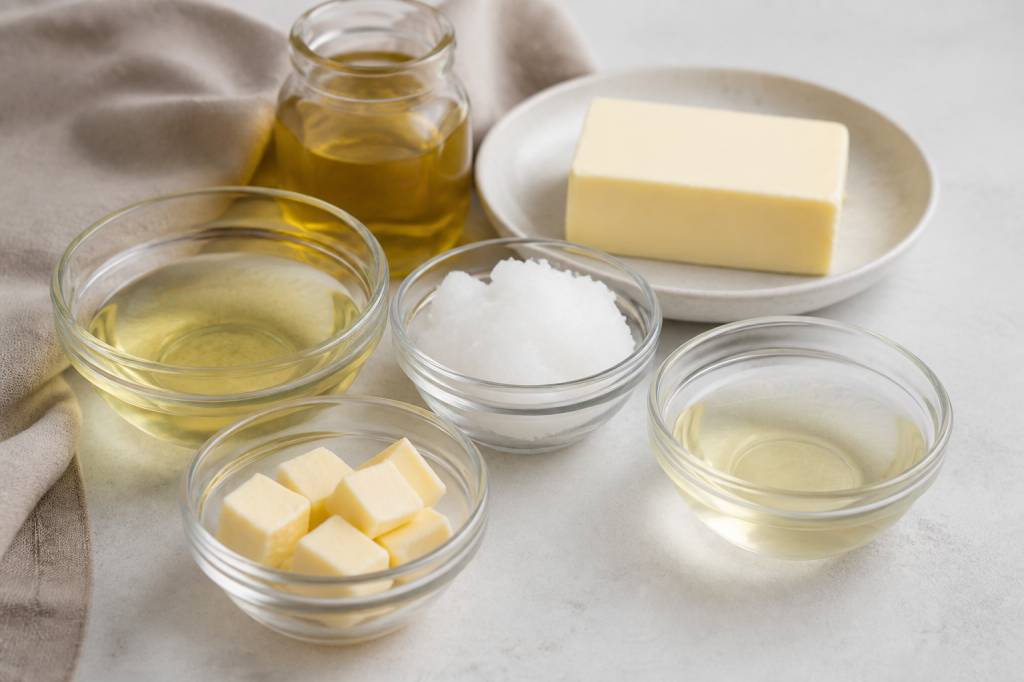
If you want the easiest, most reliable swap, use a neutral oil like canola, sunflower, grapeseed, or avocado oil. These are usually the best substitutes for coconut oil in baking because they’re liquid, mild in flavor, and easy to measure.
Use a 1:1 ratio. If the recipe calls for 100 g coconut oil, use 100 g neutral oil.
This works especially well in:
Why I like this swap: it keeps the texture moist without adding extra flavor that competes with vanilla, chocolate, fruit, or spices. The only thing to keep in mind is that oil gives a slightly more tender, sometimes less structured result than coconut oil, especially in recipes that rely on solid fat for shape.
If you want a simple rule: when the recipe is about moisture rather than crispness, choose oil.
Best swap for flavor and richness: unsalted butter
Butter is the classic answer, and for good reason. It adds flavor, richness, and a more familiar baked texture. If your recipe can handle a little dairy, this is one of the best substitutes for coconut oil in cakes and cookies.
Use a 1:1 substitution by weight. If you measure by cups, you can usually swap equal amounts, but weight is more accurate in baking.
Butter is ideal for:
One thing to watch: butter contains water, while coconut oil is 100% fat. That small difference can affect texture. In some recipes, butter can make cookies spread a little more or cakes feel slightly less dense. Usually, that’s not a problem. In fact, it’s often a benefit.
If a recipe depends on coconut oil being solid, like certain chilled doughs, butter may soften more quickly at room temperature. That means you may need to chill the dough a bit longer before baking.
Best dairy-free option with a buttery feel: vegan butter
If you need a plant-based alternative and want something closer to the texture of butter, vegan butter is a strong choice. It’s especially useful in cookies, frostings, pie crusts, and some cakes.
Use it 1:1, ideally by weight.
Vegan butter can be a better substitute than plain oil when the recipe needs a firmer fat structure. That matters in bakes where you want some lift, a slightly more defined shape, or a more buttery flavor.
Not all vegan butters behave the same way, though. Some are softer, some have more water, and some taste better than others. My advice? If you’re trying a new brand, test it in a familiar recipe first. No one wants a surprise batch of cookies that spreads into one giant cookie sheet pancake.
Best substitute for cookies that need crisp edges: shortening
Shortening is not glamorous, but it does a very specific job well. It is solid at room temperature, has a high fat content, and helps create structure and softness. If you’re making cookies and want them to hold their shape, shortening can be a smart replacement for coconut oil.
Use it 1:1.
It works well in:
Shortening won’t bring much taste to the table, which is both the good news and the bad news. You get stability, but not much richness. If you like coconut oil because it gives a little subtle flavor, shortening will be more neutral.
For many bakers, shortening is a practical choice rather than a favorite. It’s useful, predictable, and gets the job done.
Best choice for cakes and muffins: applesauce or mashed banana
If you’re looking for a lower-fat option, applesauce or mashed banana can replace some or all of the coconut oil in certain recipes. These are not direct fat-for-fat substitutions in the same way oil or butter are, so use them carefully.
Here’s the basic idea:
Applesauce works best when you want mild flavor and extra moisture. Banana adds sweetness and a stronger flavor, which is great in banana bread but less ideal in a vanilla layer cake unless you want that taste.
This is a good move if you’re baking something like breakfast muffins or snack cake and want to reduce the fat without wrecking the recipe. Just don’t expect exactly the same texture. You’ll get a softer, heavier crumb.
Best swap for a neutral, tender result in cakes: melted butter + a little milk
Sometimes you want a middle ground. If coconut oil is being used for moisture and tenderness in a cake, a mix of melted butter and a splash of milk can work nicely. The butter adds flavor; the milk helps keep the batter from feeling too dense.
This is not a strict one-size-fits-all formula, but a practical approach for home baking. For example, if a recipe needs 1/2 cup coconut oil, you might use 1/2 cup melted butter and slightly reduce another liquid if the batter looks too loose. Keep an eye on texture rather than trying to force a perfect scientific equation.
This kind of substitution is useful when you want a more classic cake flavor and don’t mind adjusting based on the batter’s consistency.
Best substitute for vegan baking: sunflower oil or avocado oil
If your recipe needs to stay dairy-free and plant-based, sunflower oil is one of the easiest options. It’s neutral, affordable, and behaves well in most baked goods. Avocado oil is another strong choice, though it can be a little pricier.
Use either one 1:1.
These are especially good in:
Avocado oil has a faint flavor in some brands, but in strongly flavored recipes, it disappears almost completely. Sunflower oil is usually even more neutral. If you need a clean substitute that won’t interfere with cocoa, spices, or fruit, these are safe bets.
When olive oil is a good idea
Yes, olive oil can replace coconut oil in baking. But use it where its flavor makes sense. In sweet recipes, mild olive oil is better than extra-virgin olive oil if you want less bitterness or peppery notes.
Olive oil works beautifully in:
It adds moisture and a slightly more complex flavor. I’d avoid it in recipes where you want the fat to disappear completely. In a lemon loaf, though? Excellent. In vanilla sugar cookies? Not my first pick.
If you’ve never baked with olive oil before, think of it as a flavor choice as much as a fat choice. That’s the key difference.
How to choose the right substitute for the recipe
Not every substitute is right for every bake. The fastest way to choose is to think about the end result you want.
If the recipe is meant to be soft and moist, use a liquid fat or a soft plant-based alternative. If the recipe needs shape and crisp edges, use a solid fat.
Also consider the flavor profile. Coconut oil has a mild sweetness when refined, and a clear coconut taste when unrefined. If that flavor was important in the original recipe, you may want to compensate with vanilla, almond extract, citrus zest, or toasted nuts.
Common substitution mistakes to avoid
Swapping fats in baking is easy to overthink, but there are a few mistakes worth avoiding.
One of the biggest errors is treating all fat swaps as equal. They’re not. A cookie dough made with oil behaves differently than one made with solid fat. That doesn’t mean it will fail. It just means you need to know what to expect before the tray goes in the oven.
Quick substitution guide
Here’s a simple cheat sheet you can use when coconut oil is missing from your pantry:
If you want the shortest answer possible: for most cakes and cookies, neutral oil or butter will solve the problem fast. If you need plant-based baking, go with sunflower oil or vegan butter. If texture matters more than convenience, choose the fat that matches the original recipe’s purpose.
A practical baker’s rule of thumb
When coconut oil is missing, don’t just ask, “What fat do I have?” Ask, “What is this fat supposed to do in the recipe?” That question saves more bakes than any panic search ever will.
If the goal is moisture, use oil. If the goal is flavor, use butter. If the goal is structure, use shortening or vegan butter. If the goal is to make a lighter muffin or loaf, applesauce can help. Once you start thinking this way, substitutions stop feeling risky and start feeling like normal kitchen problem-solving.
And honestly, that’s the real secret behind good baking: not perfection, but knowing how to adapt without drama. Because sometimes the best dessert starts with a missing ingredient and a decent backup plan.