





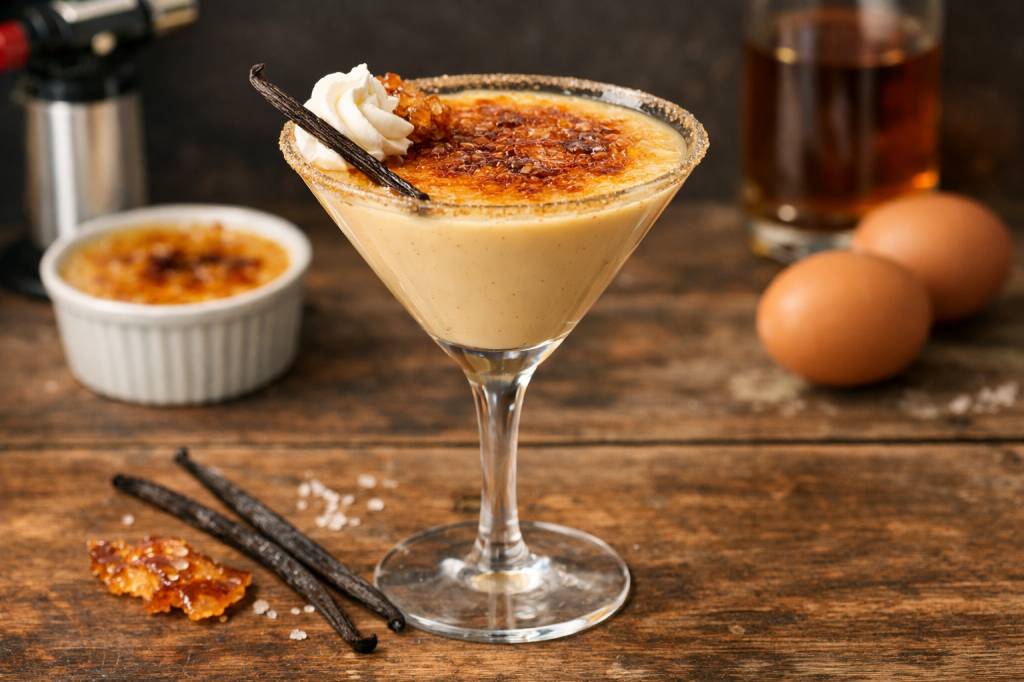
If you’re the type of person who looks at the dessert menu first but secretly wishes everything came in cocktail form, this one’s for you. The crème brûlée martini is rich, silky, and unapologetically indulgent — basically, dessert in a coupe.
This is not a “light little sip.” It’s a full-on treat, with caramel, vanilla, and cream playing together in a way that feels like cracking into a brûléed sugar top… just without the spoon. In this article, I’ll walk you through my go-to crème brûlée martini recipe, share a few ways to tweak it depending on your bar cart, and give you some tips to serve it without knocking your guests out after the first round.
What Makes a Great Crème Brûlée Martini?
I’ve tried a lot of “dessert martini” recipes that sounded amazing on paper but turned out cloyingly sweet or flat. A crème brûlée martini should hit three targets:
- Depth – from caramel, toffee, or brown sugar notes.
- Creaminess – rich texture without feeling like a milkshake.
- Balance – enough alcohol and bitterness to cut the sweetness.
The trick is choosing the right spirits and not overdoing the sugar. Think of it like an actual crème brûlée: it’s sweet, yes, but the custard is delicate and the burnt sugar edge brings a little bitterness. You want the same contrast in the glass.
The first time I made this at home, I threw every “dessert” liqueur I owned into the shaker. The result? A boozy vanilla syrup that no one finished. Since then, I’ve streamlined the recipe to just a few bottles that earn their place.
Core Ingredients for a Crème Brûlée Martini
Here’s what I use for a balanced, bar-quality result:
- Vodka – A neutral vodka keeps the focus on caramel and cream. You can also use vanilla vodka if you want a stronger vanilla hit.
- Caramel or butterscotch liqueur – This brings the “brûlée” caramel flavor. Look for a good-quality caramel or butterscotch liqueur, not just a sugary syrup.
- Vanilla liqueur or vanilla vodka – This mimics the vanilla bean in the custard.
- Irish cream or cream liqueur – For body and a dairy note similar to the dessert.
- Half-and-half or heavy cream – Optional, but helps with texture and richness.
- Brown sugar or caramel syrup (for the rim) – A nod to the brûléed sugar layer.
Don’t feel like you need a museum of bottles to pull this off. You can absolutely simplify and still get the same vibe. I’ll give you a “minimum bottle” version right after the main recipe.
Crème Brûlée Martini: My Go-To Recipe
This recipe makes one generous cocktail. It’s easy to scale up in a batch if you’re hosting.
- 45 ml (1½ oz) vodka (plain or vanilla)
- 30 ml (1 oz) caramel or butterscotch liqueur
- 15 ml (½ oz) vanilla liqueur (or use vanilla vodka above and plain vodka here)
- 30 ml (1 oz) Irish cream or cream liqueur
- 15–30 ml (½–1 oz) half-and-half or heavy cream (to taste, for richness)
- 1 dash of saline solution or a tiny pinch of fine salt (optional, but highly recommended)
- Ice
For the garnish:
- Brown sugar or raw sugar
- Cream or caramel syrup for rimming the glass
- Optional: a small piece of brûléed sugar or caramel shard
Equipment:
- Cocktail shaker
- Jigger (or any measuring tool)
- Fine-strainer (recommended for extra-silky texture)
- Chilled coupe or martini glass
Step-by-Step: How to Build the Perfect Texture and Flavor
1. Chill your glass.
Put your martini or coupe glass in the freezer for at least 10 minutes. A cold glass keeps this creamy drink tight and refreshing instead of heavy and lukewarm.
2. Prepare the sugar rim.
You can skip this if you hate sweet rims, but for this recipe, it adds a nice “crust” effect.
- Pour a little cream or caramel syrup onto a small plate.
- Spread brown sugar on another plate.
- Dip the rim of your chilled glass into the cream/syrup, then roll it gently in the sugar.
Set the glass back in the fridge while you mix the drink so the sugar sets a bit.
3. Add all ingredients to the shaker.
In a shaker filled with ice, add:
- Vodka
- Caramel/butterscotch liqueur
- Vanilla liqueur (if using)
- Irish cream
- Half-and-half or heavy cream
- Dash of saline or pinch of fine salt
The tiny bit of salt is your secret weapon. It doesn’t make the drink salty; it just tones down the sugar and boosts flavor, like in a good dessert.
4. Shake hard — and longer than usual.
Shake for about 15–20 seconds. With cream in the mix, you’re not just chilling; you’re adding air and texture. You want the shaker to be completely frosty and the drink to pour slightly thick, with a satiny look.
5. Double-strain into your prepared glass.
Use a fine-strainer over your glass to catch ice shards and keep the texture velvety. This extra step really pays off in creamy cocktails.
6. Garnish smartly (and simply).
- Grate a little fresh nutmeg or sprinkle a pinch on top for warmth.
- Drizzle a tiny spiral of caramel sauce on the surface if you’re feeling extra.
- For a dramatic touch, add a small caramel shard resting on the rim.
Serve immediately while it’s icy-cold.
Don’t Have All the Bottles? Here’s a Simplified Version
If your bar cart is more “beginner” than “fully stocked,” you can still make a convincing crème brûlée martini with fewer ingredients.
Minimalist Crème Brûlée Martini
- 60 ml (2 oz) vanilla vodka
- 30 ml (1 oz) Irish cream
- 30 ml (1 oz) half-and-half or heavy cream
- 15 ml (½ oz) simple syrup + a few drops of vanilla extract or caramel syrup
- Pinch of salt
Same method: shake with ice, double-strain, garnish with a brown sugar rim. The flavor will lean more “vanilla custard” with a softer caramel note, but it still absolutely reads as crème brûlée in a glass.
How Sweet Is Too Sweet? Finding Your Balance
Everyone’s sugar tolerance is different. Some guests want “dessert but make it boozy,” others want “cocktail that whispers dessert.” A few tips to dial it in:
- Taste your caramel liqueur first. Some brands are much sweeter than others. If yours is very syrupy, reduce the amount slightly or skip any extra syrup.
- Start with less cream. Cream softens the alcohol burn but also mutes flavors, which can trick you into adding more sweetness. Begin with ½ oz and adjust next round.
- Use the salt trick. If your first test cocktail tastes flat and sugary, a pinch of salt in the shaker can completely change the game.
When I’m serving this at a dinner party, I always make a “test glass” before guests arrive and adjust sweetness and strength based on that. Two minutes of tweaking saves you from a whole night of “it’s good, but it’s a bit much…”
Serving Crème Brûlée Martinis at a Dinner Party
This drink shines as a dessert course, especially when you don’t want to bake or deal with plating. A few practical hosting tips:
- Serve after dinner, not before. It’s too rich to be an aperitif. Bring it out after the main course, either solo or with a small bite like shortbread or a plain almond cookie.
- Keep the portion moderate. Use smaller coupes if you have them. A 90–105 ml (3–3½ oz) pour is plenty — remember, this is both dessert and a cocktail.
- Pre-batch the base. For a group, you can mix the vodka, liqueurs, and a pinch of salt in a bottle and chill it. Add cream and ice only when shaking each round to keep the texture fresh.
- Offer a “lighter” option. Some guests may want just a coffee or a small amaro instead. Don’t pressure anyone into dessert-in-a-glass if they’re already full.
One of my favorite winter dinner party moves is to clear the table, dim the lights, then come back with a tray of crème brûlée martinis and a small bowl of dark chocolate pieces. It feels indulgent but low-effort, and everyone thinks you planned it for hours.
Variations: Play with the Dessert Theme
Once you’ve nailed the base recipe, you can tweak it to fit the season or your guests’ preferences.
Salted Caramel Crème Brûlée Martini
- Use a salted caramel liqueur (or add a second pinch of salt).
- Garnish with a tiny sprinkle of flaky sea salt on top of the foam.
This version feels a little more grown-up and less sugary, especially if you pair it with dark chocolate.
Coffee Crème Brûlée Martini
- Replace 15 ml (½ oz) of vodka with 15 ml coffee liqueur or cold brew concentrate.
- Keep the rest of the recipe the same.
You get a crème brûlée meets affogato vibe — great if you love coffee and dessert together.
Burnt Sugar Garnish Hack
If you want to lean even harder into the “brûlée” moment, you can make a quick burnt sugar shard:
- Melt a few tablespoons of sugar in a small pan over medium heat until deep amber.
- Pour onto a parchment-lined tray and let it harden.
- Break into shards and use one per glass as garnish.
It looks fancy, but only takes 10 minutes and uses one ingredient.
Common Mistakes (And How to Avoid Them)
I’ve messed up enough creamy cocktails to know where things usually go wrong. Here’s what to watch out for:
- Using only cream liqueur as the base. You’ll end up with something flat and overly sweet. Always include a proper spirit like vodka to give structure.
- Not chilling the glass. Creamy drinks warm up quickly and feel heavy when they’re not cold. A chilled glass buys you time.
- Over-shaking with too little ice. If there’s not enough ice, you’ll just whip the cream and create a foamy, lukewarm texture. Fill the shaker at least ¾ with ice.
- Rim overload. A super-thick sugar rim means every sip is like biting into a candy bar. Keep the rim light and even, just enough for effect.
- Going too big on the pour. This is rich. You want guests asking for a second, not abandoning half a giant martini because it’s too much.
Food Pairings: What Actually Works with a Crème Brûlée Martini
This cocktail is dessert, but that doesn’t mean it has to stand alone. Just don’t pair it with something equally heavy or complicated. Aim for simple, contrasting textures and flavors.
- Plain or lightly sweet cookies – shortbread, butter cookies, ladyfingers. These give crunch without competing.
- Fresh berries – strawberries, raspberries, or a small bowl of mixed berries add acidity and brightness.
- Dark chocolate – a few squares of 70% dark chocolate balance out the sweetness beautifully.
- Cheese plate (very simple) – think one or two cheeses, like a mild blue or aged gouda, plus nuts. Salty + creamy + sweet = always a good idea.
Avoid serving this alongside very sugary desserts like cakes with frosting, macarons, or heavy pastries. The combination tends to overwhelm the palate (and your guests).
Make-It-Your-Own: Adjusting for Your Taste
One of the best parts about DIY mixology is tailoring drinks to how you like to drink. Here’s how to tweak the crème brûlée martini in a structured way instead of guessing blindly:
- If it’s too sweet:
- Increase vodka by 15 ml (½ oz).
- Reduce caramel liqueur by 15 ml (½ oz).
- Add a tiny extra pinch of salt.
- If it’s too strong:
- Add 15 ml (½ oz) more cream or half-and-half.
- Shake a bit longer for more dilution.
- If flavors seem dull:
- Add 2–3 drops of vanilla extract.
- Check your ice — old freezer ice can mute and muddy flavors.
Once you’ve found your “sweet spot,” write down the exact proportions on a card and keep it near your bar. Future-you will be grateful the next time you’re shaking these up after dinner.
If you love your desserts rich, creamy, and just a little bit dramatic, this crème brûlée martini is an easy win. A few bottles, a shaker, and some ice are all you need to turn your favorite restaurant dessert into a cocktail that actually tastes as good as it sounds on the menu.