





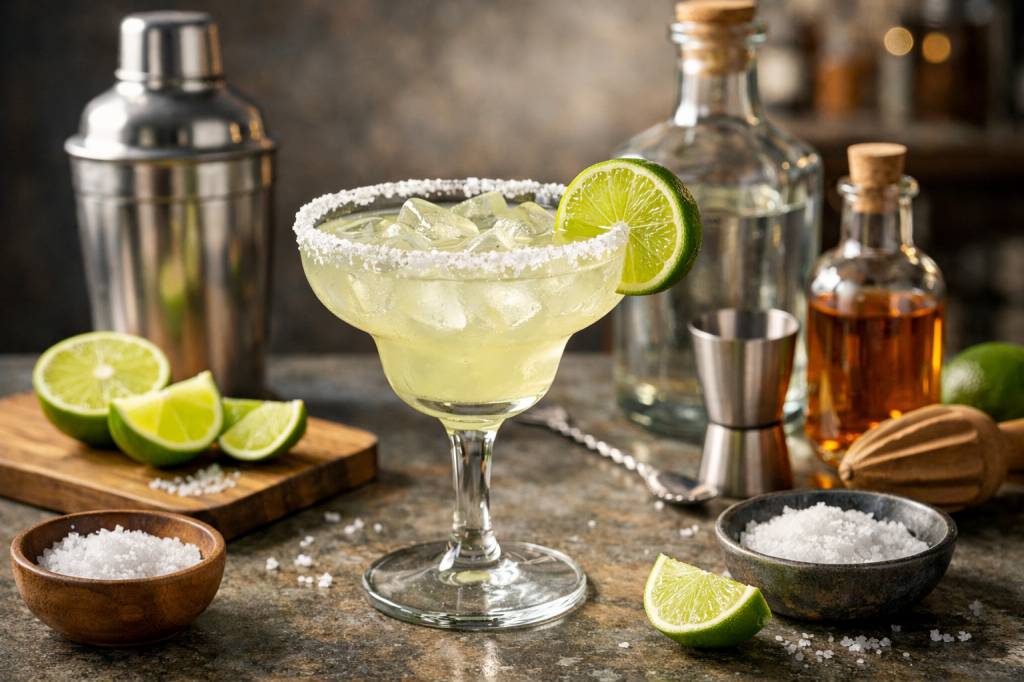
If there’s one cocktail I get asked about over and over, it’s the margarita. Everyone has a story: a perfect one on a beach in Mexico, a neon-green slushy from college, or the first time they realized, “Oh wow, this is actually good when it’s not from a mix.”
The margarita looks simple on papier: tequila, lime, triple sec. But if you’ve ever tried to make one at home and thought, “Why doesn’t this taste like the one at my favorite bar?”, you’re not alone.
After talking to a few pro bartenders, testing ratios, and making more margaritas than I’ll publicly admit, I’ve pulled together the key mistakes to avoid and the tips that actually make a difference. The good news: you don’t need a fancy bar setup to get a bar-quality margarita. You just need to respect a few non‑negotiables.
The core formula: your non‑negotiable base
Let’s start with the classic, shaken, on-the-rocks margarita. This is the structure almost every expert I’ve talked to uses as a starting point:
- 2 oz (60 ml) tequila
- 1 oz (30 ml) fresh lime juice
- 0.75 oz (22 ml) orange liqueur (triple sec, Cointreau, or similar)
- 0.25–0.5 oz (7–15 ml) simple syrup or agave syrup (optional, to taste)
Shake with ice, strain over fresh ice, salted rim optional.
That’s your baseline. From there, every “house margarita” variation is just small tweaks on this formula: changing the sweetener, adjusting the lime, modifying the tequila style, or playing with salt and garnish.
Before you start riffing, dial this in. Once this version tastes great in your glass, you’ll have a solid reference point for every future experiment.
Tequila: why “100% agave” is the hill to die on
This is where most home margaritas go wrong. If your tequila isn’t good, nothing will save the drink.
The one rule I push hard: always choose 100% agave tequila. If the label doesn’t clearly say “100% de agave”, skip it. Otherwise you’re in “mixto” territory, where up to 49% of the alcohol can be made from other sugars (often resulting in a harsher, sweeter, hangover-prone spirit).
For margaritas, focus on:
- Blanco (silver) tequila – clean, bright, fresh agave flavor. This is the go‑to for a classic, crisp margarita.
- Reposado tequila – aged in barrels for a few months, slightly rounder and softer, with hints of vanilla and spice. Great if you like a smoother, richer margarita.
I once tried to “save money” for a big taco night by buying a cheaper mixto tequila. I thought, “There’s lime and Cointreau in there, they’ll cover it.” They did not. Every margarita tasted a little muddy and harsh, no matter how I tweaked the ratios. The next time, I switched back to a mid-range 100% agave blanco and instantly the whole batch tasted brighter and cleaner—same recipe, same limes, different spirit.
You don’t need top-shelf sipping tequila, but avoid the very bottom shelf. Think solid, mid-range bottles you’d happily drink in a simple highball.
Fresh lime juice: the ingredient you cannot fake
If you’re still using bottled lime juice or margarita mix, this is your upgrade moment.
Every bartender I’ve asked has the same stance: freshly squeezed lime juice only. Lime juice starts to lose its brightness pretty quickly. That “flat” taste you sometimes get from a homemade margarita? Often it’s old or bottled citrus.
Here’s how to get this right at home:
- Use real limes, not concentrate. Yes, it’s more effort. Yes, it’s 100% worth it.
- Strain out the pulp if you prefer a smoother texture. A fine mesh strainer or even a small sieve works.
- Juice close to serving time. Ideally, within a few hours. If you’re hosting, you can juice ahead and keep it in the fridge in a sealed container.
- Taste your limes. They’re not all equally sour. If your batch tastes extra tart, you may just need a tiny bit more sweetener.
One pro tip I stole from a bar: if you’re making tons of margaritas for a party, pre‑batch the tequila + orange liqueur together in a bottle, and keep the lime juice separate. Shake individual drinks with freshly added lime so you don’t end up with a big jug of lime juice that’s been oxidizing all evening.
Orange liqueur: more than an “extra”
Some recipes skip orange liqueur and go straight tequila + lime + agave. That can work (especially for a Tommy’s Margarita), but if you want that classic bar-style profile, the orange liqueur matters.
The main options:
- Cointreau – clean, balanced, slightly higher ABV. A favorite of many bartenders for a reason.
- Triple sec – can be great, can be terrible. Cheaper brands tend to be overly sweet and one‑note. If you use triple sec, go for a reputable brand.
- Grand Marnier – richer, cognac-based orange liqueur. Great for a “Cadillac” style margarita, especially with reposado tequila.
The key is balance. Orange liqueur adds sweetness and citrus complexity. If your margarita tastes too sweet or too “orangey,” you probably used too much, or your liqueur is very sugary. That’s why the 2:1:0.75 ratio (tequila : lime : orange liqueur) is such a reliable starting point.
Sweetener: finding your personal “perfect” balance
This is where you can tailor the drink to your taste. Some people like a mouth-puckering margarita, others want something rounder and more forgiving.
Common sweetener options:
- Simple syrup (1:1 sugar to water) – neutral, easy, lets the tequila and lime shine.
- Agave syrup – complements tequila beautifully since they come from the same plant. Slightly deeper sweetness.
- No extra sweetener – if your orange liqueur is already quite sweet and you like a sharper profile, you may not need any.
Start with 0.25 oz (7 ml) simple or agave syrup in your first test glass. Shake, taste, then adjust by a tiny splash at a time. The difference between “perfectly balanced” and “too sweet” is often less than 0.25 oz.
During one recipe-testing night, I made three versions lined up on the counter:
- No extra sweetener
- 0.25 oz agave
- 0.5 oz agave
Same tequila, same lime, same orange liqueur. The “no sweetener” version was sharp and bracing—good, but intense. The 0.5 oz version was smooth but leaned toward “vacation resort” sweet. The winner was 0.25 oz: bright, crisp, but not aggressive. That’s now my default starting point when I don’t know someone’s preferences.
Ice and shaking: where texture and dilution happen
A margarita isn’t just about flavor—it’s about texture and temperature. That comes down to how you shake and what ice you use.
Key points from the pros:
- Use plenty of ice. A shaker that’s at least 2/3 full chills and dilutes more effectively than one with just a few sad cubes.
- Shake hard for 10–15 seconds. You should feel the shaker get very cold in your hands. That’s your sign it’s ready.
- Use fresh, solid ice cubes. Old or half‑melted ice over-dilutes quickly and waters down the drink.
- Strain over fresh ice. Don’t just dump the shaker contents (including the old ice) into the glass. Fresh ice melts slower.
If your margarita tastes “thin” or “watery,” you may be over‑diluting (too much shaking with weak ice), or your ice in the glass is already half melted before you pour. Work fairly quickly once the drink is shaken.
Salt rims: less about aesthetics, more about balance
A salted rim isn’t just for Instagram. Salt enhances flavors and can soften the perceived acidity of the lime.
Two mistakes I see all the time:
- Rimming the entire glass in a thick salt crust
- Using table salt that tastes harsh and metallic
Here’s what works better:
- Rim only half the glass. This gives your guest the choice to drink from the salted or unsalted side.
- Use kosher salt or flaky sea salt. Avoid fine table salt—it’s too intense.
- Lightly moisten the rim with a lime wedge, then dip it in a shallow plate of salt. Tap off the excess.
Want to level up? Mix your salt with a bit of chili powder, Tajín, or smoked salt. That small change can completely transform the drink’s personality.
Dialing in your “house” margarita
Once you’ve nailed the classic version, I’m a big fan of designing a “house margarita” recipe you can make in your sleep. Something that feels like yours.
A few directions you can go:
- Sharper and drier: Reduce or skip added sweetener, keep the lime at 1 oz, and use Cointreau or a drier triple sec.
- Smoother and rounder: Use a reposado tequila, 0.5 oz agave syrup, and maybe a tiny splash less lime (0.75 oz).
- Richer “Cadillac” style: Reposado tequila + Grand Marnier + a touch of agave, served over a big clear ice cube.
When I set my own “house” version, I literally wrote it on a sticky note and stuck it inside my bar cabinet door. That way, even on a busy night with friends, I don’t overthink it—I just follow my own formula.
Scaling up for parties without sacrificing quality
Batch margaritas are a lifesaver for hosting, but they’re easy to mess up. The trick is to respect the same rules: good tequila, fresh lime, balanced sweetness.
Here’s a simple batch ratio for 8 drinks that keeps the math manageable:
- 16 oz (2 cups) tequila
- 8 oz (1 cup) fresh lime juice
- 6 oz (3/4 cup) orange liqueur
- 2–4 oz (1/4–1/2 cup) simple or agave syrup, to taste
Stir everything in a pitcher and chill in the fridge. When ready to serve:
- Fill a shaker with ice
- Add about 4 oz of the pre‑mixed liquid per drink
- Shake and strain over fresh ice into a prepared glass
If you want true “just pour over ice” simplicity, you can also pre‑dilute the batch by adding about 15–20% water (to mimic shaking). But in that case, keep it refrigerated and taste before serving to make sure it hasn’t dulled too much.
Variations that actually respect the drink
Once your classic margarita is solid, it’s tempting to start throwing every fruit in your kitchen into the shaker. Some variations are worth the effort; others just turn into boozy juice.
Here are a few that work consistently well:
- Spicy Margarita
Muddle 2–3 slices of jalapeño (seeds removed for less heat) in the shaker before adding the other ingredients. Or infuse your tequila with chili for a few hours. Keep everything else the same and don’t oversweeten—you still want that clean snap. - Tommy’s Margarita
Skip the orange liqueur. Use:
2 oz tequila
1 oz fresh lime juice
0.75–1 oz agave syrup
Shake and serve over ice. This version is simple, agave-forward, and loved by many bartenders. - Mezcal Margarita
Swap some or all of the tequila for mezcal. If you find mezcal too smoky, try a split base: 1.5 oz tequila + 0.5 oz mezcal instead of 2 oz of one or the other. - Fruit Margaritas (when done right)
Stick with fruits that pair naturally with lime: mango, passion fruit, pineapple, berries. Use real fruit puree or fresh juice, and reduce your sweetener to avoid a sugar bomb. For example, 0.5 oz mango puree might replace some or all of the added syrup.
Whenever you add fruit, think in terms of the same core balance: spirit + acid + sweetness. Don’t lose that structure just because you tossed in a handful of berries.
Troubleshooting: fixing common margarita problems
If your margarita doesn’t taste “right,” it’s almost always one of a few issues. Here’s a quick fix guide:
- Tastes too sour/harsh?
Add a tiny splash (0.1–0.25 oz) of simple or agave syrup. Or reduce the lime slightly next round. - Tastes too sweet/flat?
Add a small squeeze of fresh lime. Or reduce your orange liqueur or syrup next time. - Tastes weak or watery?
Use better ice, shake a bit less, and always pour over fresh cubes. Check that you’re not using an ultra-low ABV liqueur. - Harsh alcohol burn?
You may be using low‑quality or mixto tequila. Upgrade the bottle, or try a smoother reposado. Also check your ratios—you might be over-pouring the tequila. - Something just tastes “off”?
Smell and taste your lime juice on its own. Old or oxidized citrus is a very common culprit.
Bringing bar-level margaritas into your kitchen
The perfect margarita isn’t about memorizing a hundred recipes; it’s about understanding why that simple trio—tequila, lime, orange liqueur—works so well together, and then respecting each piece.
If you focus on just a few things—100% agave tequila, fresh lime juice, a balanced ratio, and proper shaking—you’re already ahead of most home attempts. From there, it’s all about small, deliberate tweaks until the drink in your glass tastes exactly how you like it.
Next time you’re tempted to grab a pre-made mix, try this instead: three ingredients, a handful of ice, ten seconds of shaking. See how close you can get to your favorite bar’s version. Chances are, with a little practice, you’ll beat it.