
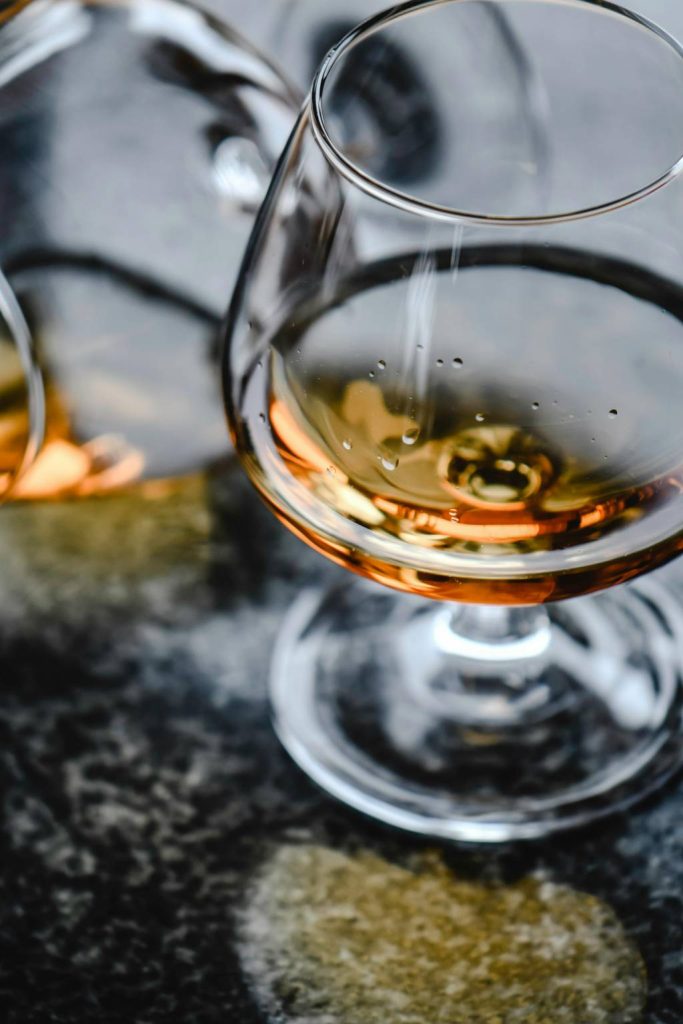
Understanding the Basics: Cognac, Brandy and Whisky
Walk into any bar menu and you will likely see cognac, brandy and whisky listed side by side. They are all brown spirits, often enjoyed after dinner or in cocktails, but they are far from identical. Each drink has its own rules of production, flavors, history, and ideal ways to be enjoyed. Knowing the difference helps you choose the right bottle for your tastes, your recipes, or your next gift.
This guide breaks down what really separates cognac, brandy, and whisky: how they are made, where they come from, how they taste, and how to pair or mix them. By the end, you will be able to read any label and understand exactly what you are getting.
What Is Brandy?
Brandy is the broad family to which cognac belongs. In the simplest terms, brandy is a spirit distilled from fermented fruit juice, most commonly wine made from grapes. It is then aged in wooden barrels, which gives it color and flavors such as vanilla, caramel, and spice.
Because “brandy” is a generic category, it can be made almost anywhere in the world, from many different fruits and using a range of production methods. That flexibility explains why brandies vary so widely in style and price.
Key features of brandy:
- Base ingredient: Usually grapes, but can also be apples, pears, cherries, plums, and more.
- Production regions: Worldwide, with notable styles from France, Spain, South Africa, the US, and Eastern Europe.
- Aging: Typically aged in oak barrels; some inexpensive brandies may have added caramel coloring.
- Flavor profile: Fruity, often sweet-leaning, with notes of dried fruit, vanilla, caramel, baking spices and oak.
Popular substyles of brandy include Spanish brandy, American brandy, grappa (distilled from grape pomace), and fruit brandies like Calvados (apple brandy from Normandy) or Kirsch (cherry brandy).
What Is Cognac?
Every cognac is a brandy, but not every brandy is a cognac. Cognac is a legally protected style of French brandy produced under strict rules. To carry the name “cognac,” a spirit must meet specific standards regarding origin, grapes, distillation, and aging.
Here is what defines cognac:
- Protected origin: It must be produced in the Cognac region of western France, following the rules of the AOC (Appellation d’Origine Contrôlée).
- Approved grapes: Primarily Ugni Blanc, with Folle Blanche and Colombard also permitted.
- Distillation: Double distilled in copper pot stills (alambics charentais), typically between October 1 and March 31 following the harvest.
- Aging: A minimum of two years in French oak barrels, usually from Limousin or Tronçais forests.
- Strength: Bottled at a minimum of 40% ABV.
Because the rules are so specific, cognac tends to show a certain finesse and complexity. The combination of grape varieties, chalky soils, oceanic climate, copper pot distillation, and long oak aging produces distinctive layers of aromas and flavors.
Typical flavors you might find in cognac include:
- Fresh and dried fruits: grapes, apricot, peach, fig, citrus peel
- Floral notes: violet, iris, dried flowers
- Spices and sweetness: vanilla, cinnamon, nutmeg, caramel, toffee
- Oak tones: toasted wood, cedar, sometimes hints of tobacco or leather with age
Cognac is also categorized by aging designations:
- VS (Very Special): Youngest eau-de-vie in the blend is at least 2 years old.
- VSOP (Very Superior Old Pale): Youngest component is at least 4 years old.
- XO (Extra Old): Youngest component is at least 10 years old (and often much older in practice).
These age statements are about the youngest spirit in the blend, not the average age. Many houses include older components for depth and richness.
What Is Whisky?
Whisky (or whiskey, depending on country) is a spirit distilled from grains, not fruit. Common grains include barley, corn, rye, and wheat. It is aged in wooden barrels, usually oak, which impart both color and flavor. Unlike brandy and cognac, whisky begins its life more like beer: grains are mashed, fermented, then distilled.
Key characteristics of whisky:
- Base ingredient: Grains such as malted barley, corn, rye, or wheat.
- Production regions: Major producers include Scotland, Ireland, the United States, Canada, and Japan, though many other countries now make whisky.
- Aging: Typically aged in oak barrels for at least 3 years in many traditional regions; American straight whiskeys must age at least 2 years.
- Flavor profile: Wide range from light and floral to rich and smoky; notes can include cereal, honey, vanilla, caramel, baking spices, dried fruits, nuts, peat smoke, and more.
There are many whisky styles, each with its own regulations and traditions:
- Scotch whisky: From Scotland, often made from malted barley and aged at least 3 years in oak. Substyles include single malt, blended malt, blended Scotch and more.
- Irish whiskey: Typically triple distilled, often smoother and lighter, also aged at least 3 years in wood in Ireland.
- Bourbon: American whiskey with at least 51% corn in the mash bill, aged in new charred oak barrels.
- Rye whiskey: Made with at least 51% rye (in the US), offering spicier, more peppery flavors.
- Japanese whisky: Inspired by Scotch traditions, known for precision, balance and elegance.
Cognac vs Brandy: What Sets Them Apart?
Since cognac is a type of brandy, the most important difference is that “brandy” is a wide, flexible category, whereas “cognac” refers to a specific, tightly controlled French style within that category.
Major differences include:
- Origin: Brandy can come from almost anywhere; cognac must come from the Cognac region of France.
- Grapes and terroir: Cognac uses specific grape varieties from well-defined crus (growing areas); generic brandy may use multiple grape types or even different fruits.
- Distillation: Cognac is double distilled in copper pot stills; brandy may be made in pot stills or column stills, which can affect texture and flavor intensity.
- Aging rules: Cognac follows strict minimum aging requirements and labeling standards; many brandies have looser regulations.
- Quality perception: Because of strict controls, cognac is often seen as a premium product, though there are also exceptional brandies from other regions.
If you think of brandy as the broad world of fruit-based aged spirits, then cognac is a prestigious neighborhood within that world, defined by tradition and regulation.
Cognac vs Whisky: Fruit vs Grain
While brandy and whisky may look similar in the glass, they start from very different raw materials and production methods, and that shapes everything from aroma to mouthfeel.
The most important distinctions between cognac and whisky are:
- Base ingredient: Cognac is distilled from wine (fermented grape juice); whisky is distilled from fermented grain mash.
- Primary flavors: Cognac tends to showcase fruit, floral and soft vanilla notes; whisky leans into grain character, oak, spices, and sometimes smoke or peat.
- Distillation style: Cognac uses copper pot stills with a focus on capturing aromatic grape character; whisky may use pot stills (especially for single malts) or column stills (common in grain and blended whiskies), influencing body and purity.
- Barrel type: Cognac is usually aged in French oak, often previously unused; whisky often uses a mix of barrel types, including ex-bourbon and ex-sherry casks, giving broader flavor variation.
- Serving traditions: Cognac is frequently served neat as a digestif or in classic cocktails like the Sidecar; whisky covers a huge range of drinking cultures, from whisky neat or on the rocks to Manhattans, Old Fashioneds, and highballs.
In sensory terms, blind tasters often describe cognac as silky, fruity, and elegant, while whisky can be malty, smoky, spicy, or robust depending on style. Both can be incredibly complex, but the underlying character of grape versus grain is usually easy to spot with a bit of practice.
Brandy vs Whisky: The Big Category Split
Stepping back to the wider categories, brandy and whisky represent two major families of aged spirits. Understanding their differences makes it easier to explore and compare bottles.
Key comparisons:
- Raw material: Brandy is fruit-based (usually grapes); whisky is grain-based.
- Production process: Brandy starts from wine or fermented fruit juice; whisky starts from a malted or unmalted grain mash similar to beer.
- Flavor direction: Brandy leans fruity and often slightly sweeter; whisky leans cereal, spice, wood, and sometimes smoke.
- Usage in cocktails: Brandy stars in drinks like the Sidecar, Brandy Alexander, and Vieux Carré; whisky anchors classics like the Old Fashioned, Manhattan, Whisky Sour, and Rob Roy.
- Geographic identity: Certain brandies are strongly tied to regions (Cognac, Armagnac, Calvados), while whiskies are associated with national styles (Scotch, Irish, bourbon, Japanese, Canadian).
How to Choose Between Cognac, Brandy and Whisky
Choosing between these spirits depends on your taste preferences, the occasion, and how you plan to drink or serve them.
Consider the following points when deciding:
- For a fruit-forward, refined sipping experience: Cognac, particularly VSOP or XO, is a strong candidate, offering layered fruit, floral tones, and silky texture.
- For versatility and value: Non-cognac brandies can provide excellent quality at lower prices, ideal for cocktails or casual sipping.
- For complexity and stylistic diversity: Whisky offers the broadest palette, from light and floral to rich, smoky, or heavily sherried.
- For dessert pairings: Brandies and cognacs generally pair more easily with chocolate, caramel, or fruit-based desserts.
- For savory food pairing: Whiskies, especially those with smoke or spice, can stand up to grilled meats, charcuterie, and robust cheeses.
If you enjoy aromatic white wines and lighter spirits, you may be naturally drawn to the elegance of cognac. If you love dark beers, roasted flavors, or peaty aromas, whisky might be your ideal exploration path.
How to Taste and Appreciate Each Spirit
Regardless of which you choose, a few simple steps will help you get the most from your glass.
1. Choose the right glass
- Cognac and brandy: A tulip-shaped glass or small white wine glass focuses the aromas better than an oversized balloon snifter, which can diffuse them too much.
- Whisky: A Glencairn glass or small tulip glass works well to concentrate the nose while allowing you to swirl gently.
2. Nose gently
Swirl the spirit lightly, then bring the glass to your nose and inhale softly. Look for different layers: fruits, flowers, spices, wood, and any distinctive notes (smoke, leather, nuts, caramel, etc.). Avoid breathing in too hard, especially with higher-ABV whiskies.
3. Sip, don’t shoot
Take a small sip and let it coat your tongue. Notice the texture: is it light, oily, creamy, or warming? Then pay attention to how the flavors evolve from the first impression to the mid-palate and finish.
4. Add water if needed
A few drops of water can open up whisky, especially cask-strength bottlings. With cognac and brandy, a touch of water or a single ice cube can soften the alcohol and highlight softer flavors, though many purists prefer them neat.
Serving and Pairing Ideas
Each spirit shines in slightly different contexts. Using them thoughtfully can elevate both the drink and the dish.
Cognac
- Neat: Ideal after dinner, at room temperature, in a small tulip glass.
- Cocktails: Classic uses include the Sidecar, French 75 (with cognac instead of gin), Sazerac (cognac version), and the Champagne Cocktail.
- Food pairings: Pairs beautifully with rich pâtés, soft cheeses, dark chocolate, crème brûlée, and caramel-based desserts.
Brandy
- Neat or on ice: Casual brandies work well over ice; higher-end expressions are best neat.
- Cocktails: Try Brandy Alexander, Brandy Crusta, or a Brandy Old Fashioned.
- Culinary uses: Widely used for flambéing (crêpes Suzette, steak Diane) and in sauces and desserts.
Whisky
- Neat, with water, or on the rocks: Depends on style and personal preference; peated whiskies are often best neat or with a splash of water.
- Cocktails: Old Fashioned, Manhattan, Whisky Sour, Rob Roy, highballs, Penicillin, and many more.
- Food pairings: Great with smoked meats, barbecue, aged cheeses, dark chocolate, and even some oysters (especially with peated Scotch).
Label Tips: How to Read Bottles Like an Expert
Understanding labels helps you compare bottles intelligently and avoid confusion at the store.
For cognac and brandy:
- Look for the region: “Cognac” or “Armagnac” signals a protected French origin.
- Check the age indication: VS, VSOP, XO give a clue to minimum age and typical richness.
- Note the producer: Well-known houses often maintain consistent styles; smaller producers may offer more distinctive expressions.
For whisky:
- Identify the type: “Single malt,” “blended Scotch,” “bourbon,” “rye,” “Irish whiskey,” etc.
- Check the age statement: “12 years,” “18 years,” or “no age statement” (NAS).
- Strength and cask information: Cask strength bottlings and specific cask finishes (sherry, port, rum) suggest bolder or richer flavor profiles.
Which Spirit Is “Best”?
There is no universal winner between cognac, brandy, and whisky; it depends entirely on your preferences and the moment.
- If you value elegance, fruitiness, and a sense of French heritage, cognac may feel like the pinnacle.
- If you want flexibility, accessible prices, and a wide spectrum of fruity profiles, exploring different brandies can be very rewarding.
- If you enjoy variety, intensity, and exploring regional character, whisky offers almost endless possibilities.
Ultimately, the best way to understand the real differences is to taste them side by side. Pour a small glass of each, take your time, and pay attention to aroma, texture, and finish. You may discover that each has a perfect role in your home bar: cognac for special contemplative moments, brandy for relaxed cocktails and cooking, and whisky for exploration and bold flavor journeys.