
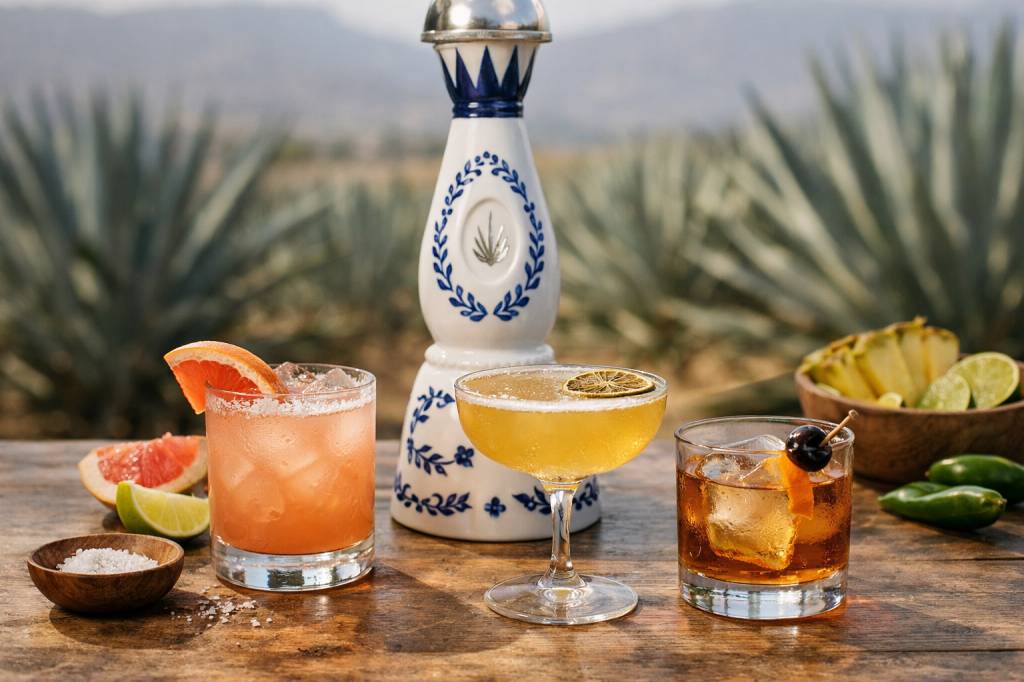
Clase Azul isn’t the tequila you pour into a plastic pitcher and drown in sour mix. It’s the bottle everyone notices on your bar cart, the one you secretly hope your guests don’t shoot back in one gulp. The flavor is too layered, too textured, to be buried under six ingredients and a sugared rim.
If you’ve ever mixed a drink with a premium tequila and thought, “Huh, this could’ve been made with anything,” this article is for you. Let’s walk through cocktails that highlight Clase Azul’s character instead of steamrolling it — drinks where the tequila stays front and center, and everything else just supports it.
What makes Clase Azul different in a cocktail?
Before shaking anything, it helps to know what you’re actually trying to showcase.
Clase Azul (especially the Reposado, which is what most people buy) is:
- Rich and creamy in texture
- Rounded, with notes of vanilla, caramel, and cooked agave
- Soft on the palate, with very little harshness
- Lightly oaky but not “bourbon-level” woody
In other words: it’s gentle, smooth, and a little dessert-like without being cloying. That’s great news, but it also means:
- Too much citrus will flatten its sweetness and creaminess.
- Too many bold modifiers (Campari, big amari, heavy syrups) will simply cover its subtleties.
- Overly sweet, sticky recipes will make it taste one-dimensional.
When I first tried using Clase Azul in a regular bar-style Margarita recipe (2 oz tequila, 1 oz lime, 0.75 oz triple sec), the tequila just disappeared. It was good, but it could’ve been any decent 100% agave tequila. That’s the trap: if you treat Clase Azul like a rail tequila, you’ll get a rail tequila result.
The goal with the recipes below: keep the structure familiar, but dial everything in so the tequila still tastes like Clase Azul.
General rules for mixing with premium tequila
Here are a few principles I use behind the bar anytime I touch a top-shelf bottle like Clase Azul:
- Fewer ingredients, higher quality. Three to four ingredients max. Each has to justify its place.
- Spirit-forward or spirit-showcasing. The base spirit should be clearly recognizable in the final glass.
- Gentle acidity. Think 0.5–0.75 oz fresh citrus, not 1–1.5 oz, unless you’re balancing with richer sweeteners.
- Low-sugar, but not no-sugar. Clase Azul loves agave syrup or very light sugar additions to highlight its baked agave notes.
- Big, cold ice. Large cubes or clear ice if you have it; you want controlled dilution, not a watery blur.
- Simple garnish. Citrus peel, a salt rim, maybe a chile slice. No fruit salad skewers.
With that in mind, let’s get into cocktails that actually make sense for this tequila.
Clase Azul sipping highball (barely a cocktail, but perfect)
This is what I pour when I want to drink Clase Azul on a Tuesday and still be functional on Wednesday. It’s essentially a long, cold “stretch” of a sipping pour.
Why it works: The soda water lengthens the tequila without masking it. A pinch of salt and a citrus expression sharpen the edges just enough.
Ingredients:
- 1.5 oz Clase Azul Reposado (or Plata if you prefer it brighter)
- 4–5 oz chilled soda water (unflavored, high carbonation)
- 1 small pinch of flaky salt (optional but recommended)
- Grapefruit or orange peel, for garnish
Method:
- Fill a highball glass with large ice cubes.
- Add the Clase Azul and the pinch of salt.
- Top with cold soda water and give one gentle stir.
- Express the citrus peel over the top and drop it in.
Hosting tip: Set out the bottle, a bucket of good ice, chilled soda, and pre-cut peels. Let guests build their own “sipping highball.” It feels interactive without turning your kitchen into a service bar.
Refined Tommy’s Margarita with Clase Azul
A classic, but tuned to respect what’s in the bottle. Tommy’s Margarita swaps orange liqueur for agave syrup, which sits beautifully next to Clase Azul’s baked agave notes.
Key adjustment: I reduce the lime slightly and use a lighter agave syrup ratio than usual. Too much lime cuts straight through the roundness that makes Clase Azul so enjoyable.
Ingredients:
- 2 oz Clase Azul Reposado
- 0.75 oz fresh lime juice
- 0.5 oz agave syrup (1:1 agave nectar and water for easier mixing)
- Optional: a very light salt rim (half-rim)
Method:
- Prepare a half-salt rim on a chilled rocks glass (just one side of the glass, so guests can choose each sip).
- Shake tequila, lime, and agave with ice until cold (about 10–12 seconds).
- Strain over fresh ice in the prepared glass.
Why this recipe respects Clase Azul:
- The smaller lime measure keeps the drink tart but not aggressive.
- Agave syrup echoes the tequila’s natural sweetness instead of competing with it.
- No orange liqueur means fewer flavors distracting from the tequila.
When I first tested this version at home, I made one with a standard 1 oz of lime and one with 0.75 oz. The difference was obvious: the lower-acid version felt like a spotlight on the tequila; the other tasted like a very good, but generic, Margarita. If you’re paying Clase Azul prices, you want the first one.
Clase Azul Old Fashioned (agave-style)
If you like sipping Clase Azul neat but want a “cocktail experience,” this is the sweet spot. It’s an Old Fashioned template with agave and bitters that complement the tequila’s soft oak and vanilla notes.
Ingredients:
- 2 oz Clase Azul Reposado
- 0.25 oz agave syrup (1:1 with water)
- 1 dash Angostura bitters
- 1 dash orange bitters
- Orange peel, for garnish
Method:
- Add tequila, agave syrup, and both bitters to a mixing glass with ice.
- Stir until well chilled and slightly diluted (20–30 seconds, depending on your ice).
- Strain over a large clear ice cube in a chilled rocks glass.
- Express an orange peel over the drink, rub it lightly on the rim, and drop it in.
Tasting notes: You’ll get a round, almost custardy sweetness, with the bitters pulling in a touch of spice. The barrel character comes forward more here than in a Margarita-style build, and the drink still clearly tastes like tequila, not whiskey.
Pro tip: If you normally like a sweeter Old Fashioned, resist the urge to bump up the agave too much. Clase Azul already leans sweet; 0.25 oz is usually plenty.
Light & floral Clase Azul Martini riff
This one’s for the “Martini drinkers who don’t think they like tequila.” You’re not going to dump Clase Azul into a briny olive bath (please don’t). Instead, we pair it with dry vermouth and a whisper of floral liqueur.
Ingredients:
- 2 oz Clase Azul Plata or Reposado (Plata if you want it brighter, Reposado if you want it creamier)
- 0.75 oz dry vermouth (high quality, fresh bottle)
- 0.25 oz elderflower liqueur (or another very light floral liqueur)
- Lemon peel, for garnish
Method:
- Add all ingredients to a mixing glass with plenty of ice.
- Stir until well chilled (25–30 seconds).
- Strain into a chilled coupe or Nick & Nora glass.
- Express a lemon peel over the top; discard or drop in according to your preference.
Why it works:
- Dry vermouth lightens the texture while adding herbal complexity.
- Just a touch of elderflower lifts the nose without turning this into a dessert cocktail.
- The tequila stays clearly identifiable as tequila, not vodka in disguise.
This is a great “first round” drink at a dinner party. It’s elegant, easy to pre-batch (stir with ice to order), and feels special without being boozy overkill.
Low-ABV Clase Azul spritz
Pairing Clase Azul with a dry, bubbly component is one of the easiest ways to serve it at a longer gathering without knocking everyone out. Think of this as a deluxe spritz with the tequila as the star, not a background spirit.
Ingredients:
- 1.25 oz Clase Azul Reposado
- 1 oz dry white vermouth or dry sherry (Fino or Manzanilla)
- 3–4 oz dry sparkling wine or Champagne
- Orange slice or peel, for garnish
Method:
- Fill a large wine glass with ice.
- Add Clase Azul and vermouth or sherry.
- Top with chilled sparkling wine.
- Give a gentle stir and garnish with an orange slice or peel.
What to expect in the glass: Agave sweetness, a little toastiness from the bubbles, and a dry, refreshing finish. The sherry version is slightly nuttier and more complex; the vermouth version is more herbal and bright.
From a hosting perspective, this is your “I want to serve Clase Azul without going through the bottle in 20 minutes” move. Guests still feel like they’re getting something luxurious, but each pour stretches the spirit gracefully.
Minimalist Paloma-style highball
Most Paloma recipes lean heavily on grapefruit soda and sugar. For Clase Azul, I prefer a lighter, more adult version that still hits the refreshing, salty-citrus notes without becoming a sugar bomb.
Ingredients:
- 2 oz Clase Azul Plata or Reposado
- 0.5 oz fresh grapefruit juice
- 0.25 oz fresh lime juice
- 0.25 oz agave syrup (optional, depending on sweetness of your grapefruit)
- 3–4 oz chilled soda water
- Pinch of salt or a very light salted rim
- Grapefruit wedge, for garnish
Method:
- If using a salted rim, lightly salt half the rim of a highball glass.
- Add tequila, grapefruit juice, lime juice, and agave (if using) to the glass.
- Fill with ice, stir briefly, then top with soda water.
- Garnish with a grapefruit wedge.
Why this approach:
- Fresh juice means you can control the sweetness and acidity.
- Soda water keeps the drink lifted and refreshing without masking the tequila.
- The small lime measure adds brightness without overshadowing Clase Azul’s rounded profile.
If you’re used to the classic sweet Paloma with grapefruit soda, this will taste a little leaner and more refined. But that’s the point: here, the tequila leads and the grapefruit supports.
How to serve Clase Azul cocktails for maximum impact
The same recipe can feel like a $30 cocktail or a random backyard drink depending on how you serve it. When you’re dealing with a bottle like Clase Azul, presentation and details matter.
- Use good glassware. A simple, heavy rocks glass or a thin-stemmed coupe does more for perceived value than any garnish trick.
- Mind your ice. Cloudy freezer ice will still chill a drink, but big, clear cubes (even from a simple silicone mold) instantly make everything look more intentional.
- Keep your citrus fresh. If you’re spending on Clase Azul, squeeze your lime or grapefruit the day-of. Bottled juice will drag everything down.
- Dial in your salt. With premium tequila, I prefer half-rims or just a pinch in the glass. Full, heavy salt crusts can dominate more delicate flavors.
- Tell the story. When you hand someone a drink, a simple line like “I kept this one pretty minimal so you can actually taste the Clase Azul” sets the expectation and frames the experience.
I once hosted a small dinner where I poured two tequila options for the same cocktail: a good but modest 100% agave tequila, and Clase Azul. Same recipe, same ice, same glass, guests could pick. Most people tried both “just to see.” The reaction was unanimous: the Clase Azul version had more depth, softness, and a longer finish. The key was that the recipe was restrained enough for those differences to show up.
When to sip neat vs mix (and how to decide)
You don’t have to mix Clase Azul at all — it’s totally valid to reserve it for neat pours only. But if you’re torn, ask yourself:
- Who’s drinking? If your guests usually order sugary frozen Margaritas, start with a simpler, more familiar highball and save neat pours for the curious few.
- What’s the setting? Long, chatty evening with food? Lighter spritzes and highballs. Short pre-dinner window? Spirit-forward riffs like the Old Fashioned or Martini-style cocktail.
- How many bottles do you have? One bottle for a large group? Stretch with highballs and spritzes. Multiple bottles or smaller group? You can comfortably make more spirit-forward recipes.
Personally, I like a mix: a simple, long highball as the “house drink” for the evening, and then one or two showcase cocktails (Tommy’s-style Margarita, agave Old Fashioned) for guests who really appreciate the tequila.
Clase Azul shines when you treat it like the main event, not just the alcohol component. Keep your recipes simple, your citrus fresh, your ice cold — and let the tequila do most of the talking.