






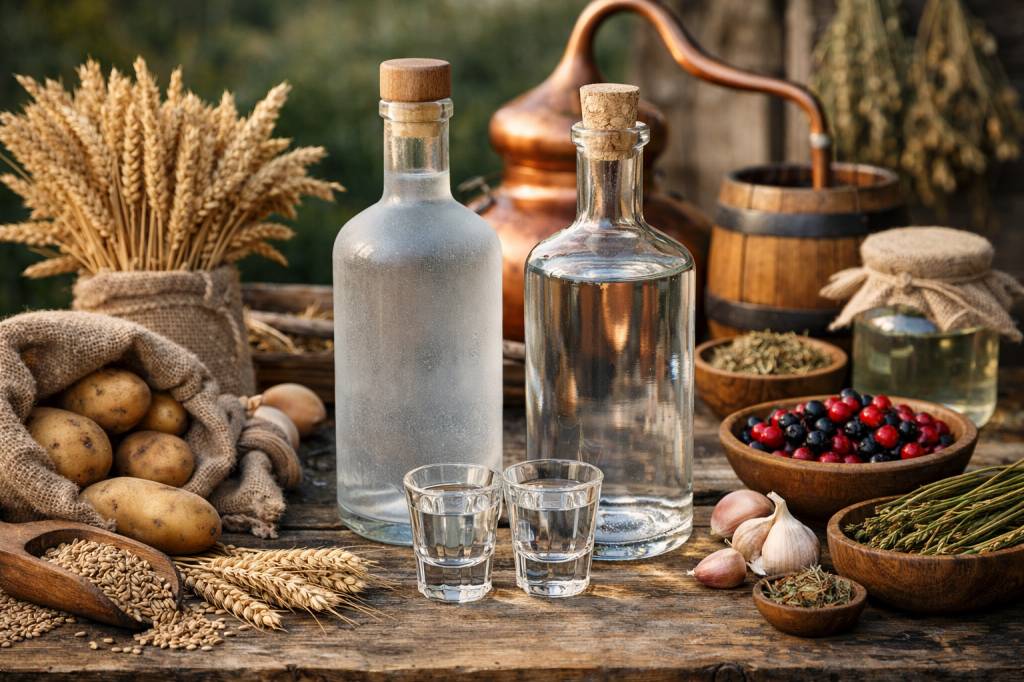
If you spend enough time around Polish vodka, you realize two things very fast: first, “vodka is just neutral alcohol” is a myth. Second, in Poland, vodka is not just a party fuel — it’s a distilled piece of culture. When I started diving into Polish bottles for my own bar, I thought I’d just pick “a good Polish vodka” and move on. Instead, I ended up with a tasting notebook full of notes like “bread crust,” “white pepper,” and “why is this rye so elegant?”
In this article, we’ll look at some of the best vodkas you can buy from Poland right now, and more importantly, how Polish distilling traditions shape what you actually taste in the glass. Whether you want a clean base for martinis or a characterful bottle for sipping and infusions, Poland has something that deserves a spot on your bar cart.
What makes Polish vodka different?
Let’s start with the basics: in the EU, “Polish Vodka” is a protected geographical indication. That means you can’t just slap “Polish vodka” on the label because you like the sound of it.
To qualify as Polish Vodka, a bottle must:
This already tells you a lot about flavor. Polish distillers lean hard on local grains and potatoes, and they care about the base material. A rye vodka from Poland will taste different from a wheat vodka from France or a potato vodka from Idaho — not better by default, but distinct.
Three big factors shape the Polish vodka profile:
So if you’ve only met vodka through sticky nightclub drinks, Polish bottles can feel like meeting a completely different spirit.
Rye vs wheat vs potato: how the base shapes flavor
When you’re choosing a Polish vodka for your home bar, the simplest way to narrow it down is by base ingredient. It’s not just marketing — the grain (or tuber) really does show up in the glass if the distiller lets it.
Here’s how they generally break down:
Of course, distillation and filtration can smooth out or mute those differences. Some brands chase absolute neutrality. Others deliberately leave a bit of character in. Personally, if I’m buying Polish vodka, I want to actually taste Poland — the grain, the field, the tradition. Otherwise, I might as well grab the cheapest neutral bottle for batch cocktails.
Traditional Polish distilling: more than just “filter it until it disappears”
Polish vodka has a long history, and a lot of that tradition is about balance. People drink it straight, often chilled, alongside food: pickles, herring, cured meats, pierogi. That means the vodka needs to be clean and well-made, but not completely anonymous.
Some traditional aspects still influencing flavor today:
I’ve tasted plenty of vodkas that feel “technically perfect” but dead in the glass. The bottles below are ones where you can sense the raw material and the production choices — and use them creatively in cocktails.
Best Polish vodkas to try right now
There’s no single “best” vodka in Poland, but some bottles are consistently strong and widely available. I’ll break them down by use: neat sipping, cocktails, and something a bit more adventurous.
For sipping neat: clean, characterful Polish classics
These are the bottles I’d happily pour into a small chilled glass and serve with a plate of pickles or smoked fish.
Żubrówka Biała (White Bison)
Don’t confuse this with the famous bison grass version (we’ll get there). Żubrówka Biała is their “pure” vodka.
Use it neat or as your house pour for simple highballs (vodka + soda, vodka + tonic, or even vodka + cloudy apple juice).
Wyborowa
Wyborowa has been around since the 19th century and is still one of the most recognizable Polish rye vodkas.
Neat, it plays well with savory snacks. In cocktails, it adds a little backbone instead of disappearing completely.
Belvedere
Belvedere is the polished, premium face of Polish rye vodka. Yes, it’s marketed heavily, but there’s solid distilling behind the label.
This is a bottle I like to chill well and pour into small glasses for a “vodka tasting” paired with snacks. Pay attention after the swallow — that lingering rye warmth is what you’re looking for.
For cocktails: vodkas that hold their own in a shaker
Some vodkas are better as mixers than sippers. You want something clean, but not so flat that the drink turns bland. These Polish bottles behave really well behind the bar.
Chopin Rye & Chopin Potato
Chopin is one of the few brands that really leans into “single-ingredient” vodkas and labels them clearly, which I love from a mixology perspective.
If you want a fun home experiment, make the same martini with Chopin Rye and Chopin Potato: 6 cl vodka, 1 cl dry vermouth, stirred on ice, strained, lemon twist. Tasting them side by side is a mini masterclass in how the base ingredient shapes flavor and mouthfeel.
Luksusowa
Luksusowa is another classic potato vodka, and it tends to be more budget-friendly than some “premium” brands while still delivering character.
I like Luksusowa in an espresso martini when I want a plush texture:
Shake hard with ice, strain into a coupe. The potato base gives you that rich, lingering feel without needing cream.
The legendary flavored Polish vodka: Żubrówka Bison Grass
Let’s talk about the bottle you’ve probably seen at least once: Żubrówka with the blade of grass inside.
Żubrówka Bison Grass is a flavored vodka, traditionally infused with Hierochloe odorata, an aromatic grass growing in the Białowieża Forest. Modern versions balance natural flavors with some flavoring and sweetening, but the profile is still unique.
If you only make one cocktail with Żubrówka, make this Polish classic twist:
Polish Apple Highball
Build in a tall glass with ice, stir gently. The bison grass notes plus apple taste like apple pie in drink form. It’s dangerously easy to drink, so pace yourself.
This style of flavored vodka is rooted in older Polish traditions of infusions and nalewki, and you can absolutely use plain Polish vodka the same way at home: think cherry, plum, blackcurrant, honey and spice infusions.
How to choose the right Polish vodka for your bar
You don’t need ten different Polish vodkas to get started. Two or three well-chosen bottles can cover most needs.
Ask yourself how you’ll actually use it:
If you only want one bottle to start and you enjoy dry, structured spirits: make it a rye. If you prefer smooth and plush: potato is your friend.
Serving Polish vodka the Polish way
How you serve vodka changes how it tastes. In Poland, vodka isn’t usually just tossed into a warm glass and shot back (at least not at the beginning of the evening).
Some simple guidelines:
If you’ve only known vodka as something to hide with juice, try this: chill a good Polish rye vodka, pour a small amount into a glass, and sip it slowly with a crunchy pickle. You’ll understand why character matters.
Using Polish vodka in modern cocktails
Now to the fun part: putting all that tradition to work in your shaker.
Here are a few simple ideas for using Polish vodkas in cocktails at home.
Rye Vodka Martini (Polish-style base)
Stir with ice for 20–30 seconds, strain into a chilled coupe, express a lemon twist over the top and drop it in. The rye gives the drink structure and spice, so it doesn’t taste like cold water.
Potato Vodka Sour
Shake all ingredients with ice (dry shake first if using egg white), strain into a chilled coupe. The creamy texture of potato vodka supports the silky, foamy style of a sour.
Herbal Highball with Żubrówka Bison Grass
Build over ice in a tall glass, stir gently. The herbal notes from the bison grass work beautifully with tonic’s bitterness, giving you a very simple but distinctive long drink.
Why Polish distilling traditions matter in your glass
Once you start tasting vodkas side by side, it’s hard to go back to thinking of them as interchangeable. Polish distilling traditions — from the choice of rye or potatoes to a culture of drinking vodka with food, not just in sugary cocktails — push producers toward balance, texture and subtle flavor, not just neutrality.
That shows up in your drinks. A rye-based martini built on a Polish vodka will feel firmer and more serious than one made with a soft wheat spirit. A potato-based espresso martini will taste richer without extra sugar or cream. A simple apple-and-vodka highball suddenly becomes a nod to Polish forests and old infusion traditions.
If you’re building a home bar and want to expand beyond “gin, rum, tequila,” adding one or two good Polish vodkas is a smart move. They give you versatility for cocktails and a gateway into a very old, still evolving distilling culture — and they might finally convince your friends that vodka can be something worth sipping, not just hiding.