
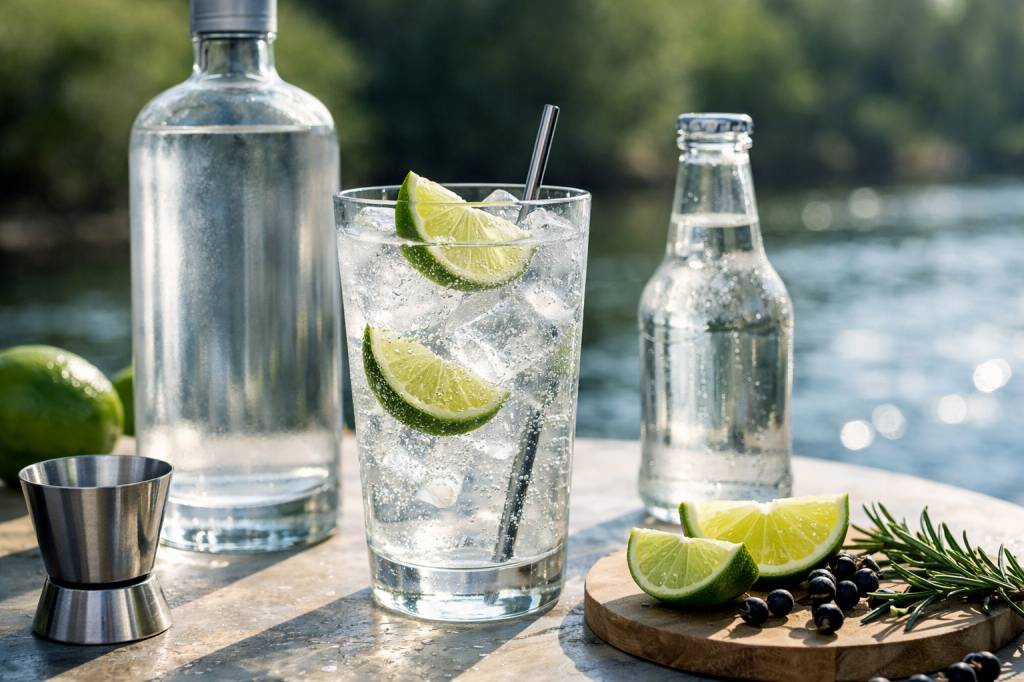
Vodka tonic looks simple on paper: vodka, tonic, ice, lime. But if you’ve ever had one that tasted flat, bitter or just “meh”, you already know the truth: that little highball glass is unforgiving. The wrong vodka, the wrong tonic, or the wrong balance of botanicals and you’re basically drinking expensive soda water.
Today I’m breaking down how to choose the best vodka for a vodka tonic—and more importantly, how to match its flavor to your tonic so you get a clean, refreshing drink instead of a harsh, clashing mess.
Why your vodka choice matters more than you think
Years ago, I hosted a summer rooftop party and decided to “keep it simple” with a big vodka tonic bar. I grabbed a random supermarket bottle, a stack of tonic cans and a bag of limes. Done, right?
Wrong. The tonic was sharp and quinine-heavy, the vodka was slightly harsh, and the combo turned aggressively bitter after the ice melted. People quietly abandoned their glasses and drifted toward the beer. Lesson learned.
What I understand now is this: even in a “neutral” drink, the vodka brings more than just alcohol. It affects texture, sweetness, heat, and how the tonic’s botanicals show up in the glass.
In a vodka tonic, your vodka needs to do three things well:
- Stay out of the way enough to let the tonic shine.
- Bring structure (body, mouthfeel, a touch of character) so the drink doesn’t taste thin.
- Play nicely with botanicals in your tonic (citrus, herbs, florals, bitterness).
Get those three right and you suddenly understand why bartenders care which “plain” vodka they pour.
Understanding vodka styles: neutral vs characterful
Let’s keep this practical. When I’m choosing vodka for a vodka tonic, I mentally put bottles into two broad camps:
- Clean & neutral vodkas – Smooth, light, almost no aroma. Great when you want tonic and garnish to lead.
- Characterful vodkas – Still smooth, but with a clear grain, peppery or creamy note. Best when you want a more “grown-up” drink with personality.
Within those, the base ingredient matters:
- Wheat & corn vodkas: Soft, slightly sweet, very approachable. Excellent default choice for vodka tonics.
- Rye vodkas: Spicier, drier, more bite. Great for those who like a sharper, snappier drink.
- Potato vodkas: Creamy, fuller-bodied, sometimes earthy. Amazing if you like a rich mouthfeel.
- Grape or other base vodkas: Can be lightly fruity or floral. Fantastic with more delicate, aromatic tonics.
None of these are “right” or “wrong” on their own. They’re right or wrong depending on your tonic and your taste. Which brings us to the second half of the equation.
What “botanicals” actually mean in a vodka tonic
When we talk about botanicals in a vodka tonic, we’re really talking about two sources:
- The tonic water – Quinine (bitterness), citrus peels, herbs, spices, florals.
- The garnish – Lime, lemon, grapefruit, cucumber, herbs, peppercorns, etc.
Most vodkas themselves don’t have added botanicals (unflavored ones, anyway), but they do have subtle aromas from the base and the distillation process: grainy, bready, peppery, creamy, sometimes even slightly fruity.
The goal is balance:
- If your tonic is very bitter and dry, a harsh or super-dry vodka can push the drink into “tonic medicine” territory.
- If your tonic is very sweet or floral, a richer vodka can give it backbone so it doesn’t feel like adult lemonade.
- Your garnish should connect the dots between vodka and tonic—citrus with citrus, herbs with herbal notes, etc.
Think of it like building a small flavor triangle: vodka, tonic, garnish. When those three talk to each other, the drink works. When they don’t, you taste the clash immediately.
Best vodka profiles for a classic vodka tonic
Let’s talk specifics. If you like a straightforward, refreshing vodka tonic with lime—the kind you can drink all evening without thinking too hard—here’s what I look for in the bottle:
- Base: Wheat or corn (soft, approachable).
- Profile: Very clean, minimal aroma, light grain sweetness, no harsh burn.
- ABV: 40% is perfect; higher proof can be nice, but only if it’s well made.
- Finish: Short to medium, clean, no artificial sweetness or strong aftertaste.
On the label or in a review, you’re looking for words like:
- “Clean,” “crisp,” “smooth”
- “Soft grain notes,” “lightly sweet,” “subtle citrus”
- “Neutral, with a gentle finish”
That type of vodka lets a good tonic and a wedge of lime do the heavy lifting, without disappearing completely.
Pairing vodka and tonic: how to match botanicals
This is where most people go from “it’s fine” to “okay, that’s actually good.” Instead of grabbing a random tonic, match your vodka to the tonic’s style.
1. With a classic, balanced tonic (gentle bitterness, some citrus, not too sweet)
- Choose a clean wheat or corn vodka.
- Garnish with lime or lemon.
- This is your everyday, crowd-pleasing combo.
2. With a dry, bitter tonic (strong quinine, low sugar)
- Pick a vodka that’s smooth but not too dry—a touch of grain sweetness helps.
- Avoid overly peppery or harsh vodkas; you’ll just crank up the bitterness.
- Garnish with grapefruit peel or orange peel to add aroma and soften the edges.
3. With a citrus-forward tonic (lemon, lime, or grapefruit heavy)
- Both neutral vodkas and grape-based vodkas shine here.
- Citrus tonics can make sharp vodkas feel even sharper, so keep the base fairly soft.
- Garnish with the same citrus family as your tonic to reinforce the profile.
4. With a floral or herbal tonic (elderflower, Mediterranean herbs, etc.)
- Go for a smooth, light vodka that won’t fight the aromatics.
- Skip the heavy, earthy potato vodkas for this—they can swamp delicate florals.
- Garnish with fresh herbs (thyme, basil, rosemary) or cucumber.
5. With a sweeter tonic (more sugar, rounder profile)
- Dryer, slightly spicy rye vodka can work really well here, cutting the sweetness.
- Or stick to a clean vodka and control the sweetness with ratio (more tonic = sweeter).
- Garnish with lemon or a bitter peel (grapefruit) to keep it from feeling sticky.
The quick rule I use behind the bar: if the tonic is loud (bitter, floral, very citrusy), keep the vodka simple. If the tonic is quiet (soft, slightly sweet), you can let the vodka bring more personality.
How to actually taste vodka for a vodka tonic
You don’t need a sommelier vocabulary to pick the right bottle. You just need to pay attention to three moments: first sip, mid-palate, and finish.
Step 1: Taste it neat (just a tiny amount)
- Pour a small splash at room temperature.
- Smell it: does it burn your nose, or is it soft and slightly bready / creamy / citrusy?
- Sip it: is the first hit smooth or aggressive?
Step 2: Add a cube of ice
- Let it sit 30–60 seconds.
- Check if flavors soften or if a weird chemical note appears (bad sign).
Step 3: Mock vodka tonic test
- Mix a tiny drink: about 1 part vodka, 3 parts tonic, ice, tiny squeeze of lime.
- Ask yourself:
- Can I still taste the vodka’s texture and light flavor?
- Does it boost the tonic, or fight it?
- Is the aftertaste clean, or does something unpleasant linger?
If you can drink that mini highball and immediately want another, that vodka passes the test.
What about flavored vodkas in a vodka tonic?
Flavored vodkas can be fun, but they’re also why some people think they hate vodka tonics. The two main problems:
- Many are overly sweet, so when you add tonic (which already contains sugar), the drink becomes cloying.
- Artificial flavors can clash with quinine and create strange, lingering aftertastes.
If you want to play with flavored vodka in a vodka tonic, choose:
- Dry, natural-tasting flavors like lemon, grapefruit, or cucumber.
- Brands that are not sticky-sweet on their own.
- Tonic that matches or complements the flavor (grapefruit tonic with citrus vodka, Mediterranean tonic with herb-infused vodka, etc.).
Personally, I prefer to keep the vodka unflavored and use garnishes to build character. A neutral vodka, a solid tonic, and a strip of grapefruit peel can taste more elegant than most bottled “pink grapefruit” vodkas—without the sugar bomb.
Simple ratios and tweaks to fine-tune balance
Even with a good vodka and tonic pairing, your ratio and garnish will decide whether the botanicals feel tight and focused or muddy and flat.
Start here:
- Vodka: 45 ml (1.5 oz)
- Tonic: 120 ml (4 oz), chilled
- Glass: Highball or large wine glass, full of ice
- Garnish: Fresh lime wedge, lightly squeezed then dropped in
From there, adjust:
- Too bitter? Add a small splash more tonic or a squeeze more citrus. Next time, choose a softer tonic or slightly sweeter vodka.
- Too flat or sweet? Use a drier tonic or bump up the vodka to 50 ml. Add a more aromatic garnish (grapefruit peel, lemon twist).
- No character? Switch to a tonic with stronger botanicals or try a more characterful vodka (rye or potato-based).
Make tiny changes and taste as you go. Two nights of experimenting with different combos will teach you more than ten product reviews.
Real-world examples: matching bottles and styles
Since brand availability depends on where you live, here I’ll focus on styles and how I’d use them, rather than a long list of specific labels.
- Soft wheat vodka + classic tonic + lime
This is the combo I set out when I’m hosting and don’t know my guests’ preferences. Smooth, clean, almost impossible to dislike. - Rye vodka + slightly sweeter tonic + grapefruit peel
The rye adds spice and dryness, the sweeter tonic keeps it from feeling austere, and the grapefruit peel bridges the two. Great for people who usually order G&Ts but want something a bit sharper. - Potato vodka + dry tonic + lemon twist
Rich mouthfeel from the potato vodka, lean bitterness from the dry tonic. It’s a more serious, slow-sipping vodka tonic—especially good with salty snacks or charcuterie. - Grape-based vodka + floral tonic + cucumber ribbon
Light, almost perfumed, very refreshing. Perfect for warm evenings when you want something pretty and low-effort.
The key is to treat tonic and garnish like ingredients, not afterthoughts. When you start thinking in pairs—“soft vodka, sharp tonic” or “dry vodka, round tonic”—your success rate goes way up.
Common mistakes that ruin vodka tonics
I still see these constantly at home parties and even in some bars. They’re all easy to avoid.
- Using flat or warm tonic
Always use fresh, chilled tonic. Once a bottle is open and sitting for hours, the carbonation and brightness vanish. - Skimping on ice
A few sad cubes melt fast and over-dilute your drink. Fill the glass with ice so the drink stays cold and crisp. - Overpouring vodka
A super-strong vodka tonic tastes unbalanced and harsh, not “extra good.” Stick close to that 1:3 or 1:3.5 ratio to keep the tonic’s botanicals in play. - Mixing a harsh vodka with a very bitter tonic
Unless you love punishment, this is how you create a drink that tastes like chewing aspirin. - Ignoring the garnish
The citrus oils or herbs you add on top can literally fix a dull drink—or push a good one over the edge into great.
Building your own “house” vodka tonic
If you want a reliable, go-to vodka tonic you can serve without thinking, here’s how I’d build it step by step:
- Choose your style: Do you want soft and easygoing, or dry and snappy?
- Pick a vodka base:
- Soft and easygoing → wheat or corn.
- Dry and snappy → rye.
- Richer mouthfeel → potato.
- Match a tonic:
- Softer vodka → you can go a bit drier or more citrusy with tonic.
- Sharper vodka → pair with a slightly rounder, less bitter tonic to keep balance.
- Lock in a garnish:
- Lime for classic.
- Lemon or grapefruit peel for more aromatic versions.
- Cucumber or herbs if you like a fresher, spa-style drink.
- Write your spec:
- Example: 45 ml soft wheat vodka, 120 ml classic tonic, highball, full ice, lime wedge squeezed and dropped in.
Once you’ve dialed that in, stick with it as your default, and only swap one element at a time when you want to experiment: new vodka, or new tonic, or new garnish—but not all three at once.
The beauty of a vodka tonic is that it’s simple enough to make on autopilot, but precise enough that good choices really show. The right vodka, paired with the right tonic and a thoughtful garnish, turns a “basic” highball into something people remember and actually ask you to make again.