
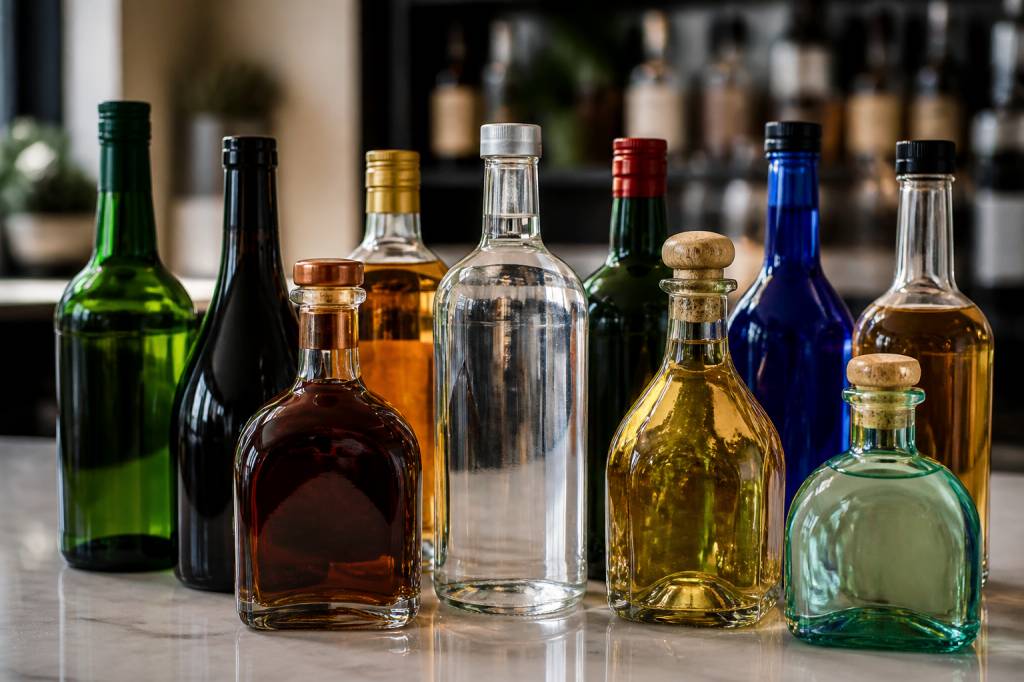
If you want to make better cocktails at home, you do not need a bar full of rare bottles. You do need to know the names of the alcohols that show up again and again in classic and modern drinks. That is the real shortcut. Once you recognize the main spirits, liqueurs, and fortified wines, you stop guessing and start mixing with purpose.
I learned this the hard way during one of my first “I can totally wing it” evenings. I had the shaker, the ice, the confidence… and a bottle collection that mostly consisted of random purchases with pretty labels. The result? A drink that was sweet, muddled, and weirdly medicinal. The problem was not my technique. It was that I did not understand what each bottle was doing in the glass.
So let’s fix that. If you are building a home bar, these are the alcohol names you should know, what they taste like, and where they shine. Nothing fancy, just the useful stuff.
The core spirits every home bartender should know
These are the backbone of most cocktails. If you know these five, you can already make a serious number of drinks.
- Vodka
- Gin
- Rum
- Tequila
- Whiskey
Each one has a very different personality. That matters, because the spirit is not just the alcohol base. It is the flavor foundation.
Vodka: the clean slate
Vodka is the most neutral of the group. That is exactly why it is so popular. It gives structure and strength without pushing a strong flavor of its own. In a drink like a Moscow Mule or Cosmopolitan, vodka lets the other ingredients take the lead.
That said, “neutral” does not mean identical. Some vodkas feel creamy, some are crisp, some are slightly peppery. If you have ever made a martini with a vodka that tasted harsh instead of smooth, you know the difference.
Use vodka when you want:
- A clean base for fruit-forward cocktails
- A spirit that will not overpower delicate flavors
- A reliable option for guests who prefer milder drinks
Home bar tip: keep one solid mid-range vodka on hand. You do not need five. You need one bottle that mixes well and does not fight your ingredients.
Gin: botanical, bright, and not just for martinis
Gin is built on juniper, but the best gins bring much more than that. Citrus, herbs, spice, florals, and even cucumber can show up depending on the style. If vodka is the blank canvas, gin is the one that already has a painting on it.
Gin is essential for cocktails like the Gin and Tonic, Negroni, Tom Collins, and Martini. It works especially well when you want a drink to taste fresh, aromatic, and slightly dry.
If you are new to gin, keep an eye on the style:
- London Dry gin: crisp, juniper-forward, classic in cocktails
- New Western-style gin: softer juniper, often more citrus or floral
- Old Tom gin: slightly sweeter, good in historical cocktails
One of the easiest mistakes is using a very floral gin in a drink that already has strong herbal ingredients. The result can feel like your cocktail is wearing too much perfume. Fun in theory, less fun in the glass.
Rum: from beachy to bold
Rum is made from sugarcane or molasses, which gives it a wide range of styles. It can be light and mixable, rich and dark, or funky and complex. This is one reason rum deserves more respect at home. It is not just for piña coladas.
The main types to know:
- White rum: light, versatile, great for Daiquiris and Mojitos
- Gold rum: a little more flavor and warmth, useful in tropical drinks
- Dark rum: richer, deeper, often used in tiki drinks or winter cocktails
- Spiced rum: flavored with spices, can work in simple mixed drinks
If I had to choose one rum for a small home bar, I would go with a good white rum first, then add a darker one later if you like richer cocktails. White rum is the workhorse.
Rum is also one of the most forgiving spirits for casual hosting. It plays well with citrus, pineapple, coconut, mint, ginger, and even coffee. That is a lot of range for one bottle.
Tequila: more than shots and salt
Tequila has come a long way in home bars, and thankfully so. Good tequila is one of the most expressive spirits you can keep. It brings agave, earth, pepper, citrus, and sometimes a little sweetness depending on the style.
There are a few key names to know:
- Blanco tequila: unaged, fresh, agave-forward, perfect for Margaritas
- Reposado tequila: rested in oak, smoother and rounder
- Añejo tequila: aged longer, richer and more sipping-friendly
For cocktails, blanco is the bottle you will reach for most often. It keeps things bright and sharp. Reposado can be excellent when you want a softer, more mellow drink.
A practical note: if your Margarita tastes flat, the issue is often not the lime. It may be the tequila. A good blanco tequila gives the drink its backbone.
Whiskey: a whole family, not just one bottle
“Whiskey” is not one alcohol name; it is a whole category. That is why it helps to know the main subtypes. Different whiskeys bring very different flavors to cocktails.
- Bourbon: sweet, full-bodied, notes of vanilla, caramel, and oak
- Rye whiskey: spicier, drier, sharper
- Scotch whisky: smoky, malty, or floral depending on style
- Irish whiskey: smooth, light, and approachable
Bourbon is great in an Old Fashioned or Whiskey Sour. Rye is excellent in a Manhattan because its spice cuts through sweet vermouth beautifully. Scotch is trickier but very rewarding in the right drink. Irish whiskey is often the easiest to sip and mix gently.
If you only buy one whiskey for cocktails, bourbon is the safest starting point. If you already like drier drinks, rye might be your better choice.
The liqueurs that make cocktails interesting
Base spirits build the structure. Liqueurs add flavor, sweetness, and depth. If your home bar feels limited, it is often because you have enough spirits but not enough modifiers.
- Triple sec
- Orange liqueur
- Aperitif liqueur
- Amaro
- Herbal liqueurs
- Coffee liqueur
Many people think “liqueur” just means “sweet alcohol,” but that is too broad. Liqueurs can be citrusy, bitter, herbal, spicy, nutty, or rich. They are often what turn a simple mix into a real cocktail.
Triple sec and orange liqueur: the cocktail bridge
Triple sec is an orange-flavored liqueur that shows up in a huge number of recipes. It is a key ingredient in Margaritas, Sidecars, Cosmopolitans, and many other classics. Some versions are dry and sharp, while others are sweeter and more rounded.
Orange liqueur is one of the smartest bottles to own because it connects so many drinks. If you have tequila, rum, brandy, or gin, chances are orange liqueur can help you build something balanced.
Common names you may see:
- Cointreau
- Triple sec
- Grand Marnier
Cointreau is a premium orange liqueur with a clean, bright profile. Grand Marnier blends orange with cognac, which gives it more body and richness. Knowing the difference matters when a recipe calls for one and you substitute the other.
Aperitifs and amari: bitterness with a purpose
This is where home bartending gets interesting. Aperitifs and amari add bitterness, herbal complexity, and a grown-up edge that keeps drinks from tasting flat.
Some names to know:
- Campari
- Aperol
- Amaro Montenegro
- Fernet-Branca
- Cynar
Campari is bold and bitter, famous in the Negroni and the Americano. Aperol is lighter, sweeter, and lower in bitterness, which is why it works so well in a Spritz. Amaro Montenegro is softer and more approachable. Fernet-Branca is intense, minty, and medicinal in the best possible way if you already love bitter drinks. Cynar, made with artichoke and herbs, is earthy and surprisingly versatile.
If you have only tried sweet cocktails, bitter liqueurs may surprise you. But once you get into them, they become incredibly useful. Bitterness can balance sugar, cut richness, and keep a cocktail from feeling one-note.
Fortified wines: the quiet essentials
Not all important cocktail alcohols are “spirits.” Fortified wines are wine-based drinks strengthened with extra alcohol. They are small-bar essentials because they add depth fast.
- Dry vermouth
- Sweet vermouth
- Sherry
- Port
Dry vermouth is essential in martinis. Sweet vermouth is key in Manhattans and Negronis. Sherry can bring nutty, saline notes to creative cocktails. Port adds richness and sweetness, often in more seasonal or dessert-style drinks.
Here is the important part: these bottles are not shelf-stable forever once opened. Keep them refrigerated and use them while they are fresh. A sad, oxidized vermouth can ruin a perfectly good cocktail. I have done that. It is not pretty.
How to read a cocktail recipe without getting lost
Once you know the main alcohol names, recipe reading becomes easier. Instead of staring at a list of ingredients like it is a chemistry exam, you can see the role each bottle plays.
- Base spirit: gives the drink its main character and strength
- Modifier: adds flavor or sweetness
- Fortified wine: adds body, dryness, or herbal notes
- Bitter element: balances sweetness and adds complexity
For example, a Negroni is simple once you understand the categories: gin as the base spirit, sweet vermouth as the fortified wine, and Campari as the bitter modifier. Equal parts. No mystery. Just balance.
This is why bartending becomes much easier when you learn the names, not just the brands. Brands can change, but the category tells you what the bottle does.
A smart starter bottle list for home bartenders
If you are building your bar from scratch, do not buy everything at once. Start with the bottles that unlock the widest range of cocktails.
- Vodka
- Gin
- White rum
- Blanco tequila
- Bourbon
- Dry vermouth
- Sweet vermouth
- Orange liqueur
- Campari or another amaro
That list alone covers a lot of classics: Martini, Gin and Tonic, Daiquiri, Margarita, Old Fashioned, Manhattan, Negroni, Sidecar, and more. You can host a very decent party with that lineup.
What matters more than having every bottle
The goal is not to memorize fancy labels for the sake of sounding clever at a dinner party. The goal is to understand your ingredients well enough to mix with confidence.
Ask yourself three simple questions when you pick up a bottle:
- What does this taste like?
- What role does it play in a cocktail?
- What can I make with it right now?
If you can answer those questions, you are already ahead of most casual home bartenders. And if you are standing in front of your shelf wondering whether that half-forgotten bottle of vermouth still counts, here is the honest answer: if you have to ask, it is probably time to replace it.
Learning alcohol names is not about collecting trivia. It is about making better drinks, wasting less money, and actually enjoying the process. That is the sweet spot. Or the bitter spot, if you are in your Negroni era.