
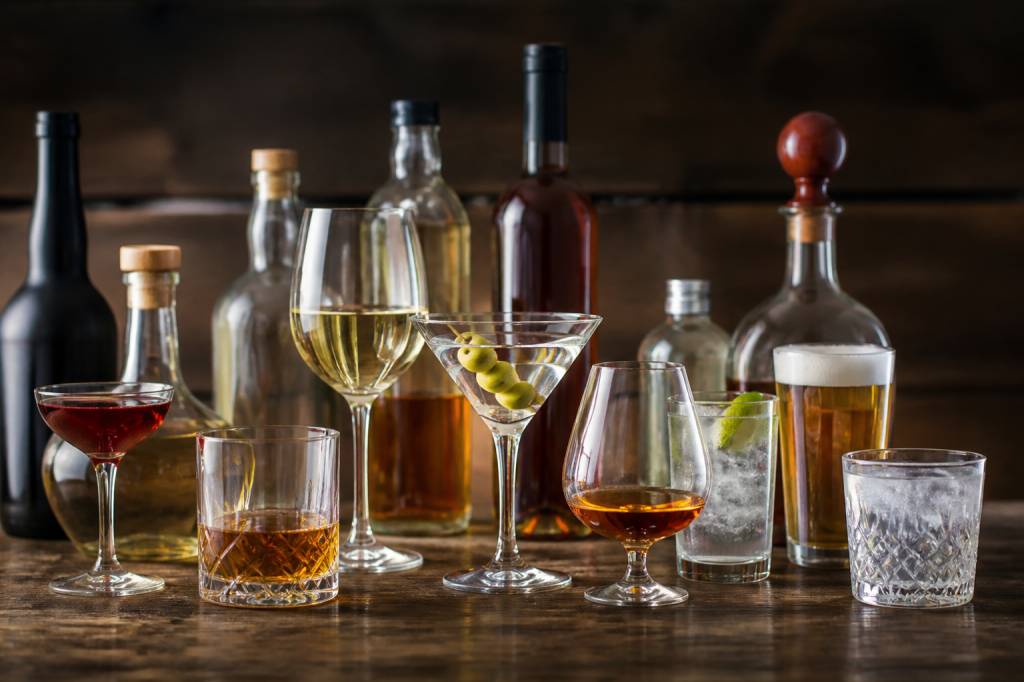
Ever stood in front of a bottle shop, stared at a wall of spirits, and thought: Wait—what exactly is the difference between rum, whisky, brandy, and all those other bottles with fancy names? You’re not alone. The world of alcohol names can feel messy at first, but once you know what the names actually mean, shopping for a bottle—and building a cocktail—gets much easier.
I’ve had more than one moment behind the bar where a guest asked for “something smooth” and then pointed at the wrong spirit because the labels all looked vaguely promising. Fair enough. The naming system is a bit of a maze. But the good news is that most spirit names tell you something useful: where they came from, how they’re made, what they taste like, and where they work best in cocktails.
This guide breaks down the most common alcohol names in a simple way: a little history, a quick flavor profile, and practical cocktail uses. No jargon-heavy lecture. Just the stuff that helps you pour smarter.
Why alcohol names matter
Spirit names are not just branding. They usually come from a mix of tradition, geography, production style, and raw ingredients. That means the name gives you clues before you even open the bottle.
For example, if you see tequila, you know it comes from agave and has a grassy, earthy profile. If you see bourbon, you can expect a sweeter, oakier whiskey style. If you see vodka, you know the flavor is meant to be neutral, which is exactly why it disappears so well into cocktails.
Once you understand the names, you stop guessing and start choosing with purpose. That’s the difference between making a random drink and making a balanced one.
Vodka: the neutral workhorse
Vodka’s identity is all about minimal flavor. Traditionally made from grains or potatoes, it’s distilled to be clean, crisp, and neutral. Its roots are debated between Eastern Europe and Russia, and while the origin story is messy, the modern style is clear: vodka is designed to stay out of the way.
Flavor-wise, vodka can range from icy and sharp to soft and slightly creamy depending on the base ingredient and distillation style. But compared with most spirits, it’s still the quiet one at the party.
That makes vodka ideal for cocktails where you want the other ingredients to shine.
- Moscow Mule
- Bloody Mary
- Espresso Martini
- Cosmopolitan
If you’ve ever made a cocktail and thought, “This tastes great, but I don’t want the spirit to dominate,” vodka is your answer. It’s also a great choice for large-batch drinks when you want consistency without extra complexity.
Gin: botanical and bright
Gin started as a medicinal spirit in Europe and eventually became one of the most characterful bottles on the shelf. The core botanical is juniper, which gives gin its piney, herbal backbone. After that, distillers can layer in citrus peel, coriander, angelica root, cardamom, cucumber, and more.
The result? A spirit that tastes alive. Sharp, aromatic, and often surprisingly versatile.
Some gins lean dry and classic, while others are floral, citrusy, or heavily herbal. That’s why gin can work beautifully in cocktails that need structure and aroma.
- Gin & Tonic
- Negroni
- Martini
- Tom Collins
My personal rule: if your cocktail needs to feel crisp and “awake,” gin is a strong choice. I once served a gin-based spritz at a summer dinner where everyone claimed they weren’t gin people. Two rounds later, they were all asking what botanical was making it taste “so fresh.” That’s gin doing its job.
Whisky and whiskey: the name says more than you think
Let’s clear this up first: whiskey usually refers to spirits from Ireland and the United States, while whisky is typically used in Scotland, Canada, and Japan. The spelling difference is small, but the traditions behind it matter.
Whisky/whiskey is made from fermented grain mash and aged in barrels, which gives it depth, color, and that signature warmth. Depending on the grains used, the spirit can be smoky, spicy, honeyed, fruity, or rich with vanilla and oak.
Different styles matter here:
- Scotch whisky: often smoky, malty, and complex
- Bourbon: sweeter, with notes of vanilla, caramel, and toasted oak
- Rye whiskey: spicier and drier
- Irish whiskey: usually smoother and lighter
Whisky is great when a cocktail needs structure and depth. Think Old Fashioned, Manhattan, Whiskey Sour, or Boulevardier. If vodka is the silent partner, whisky is the one with opinions—and those opinions are usually delicious.
One useful trick: if you want a cocktail to feel round and comforting, choose bourbon. If you want it to feel sharper and more assertive, rye is often the better move.
Rum: sugarcane in liquid form
Rum is made from sugarcane juice, sugarcane syrup, or molasses, and that raw material gives it a natural sweetness and warmth. Its history is tied closely to the Caribbean and to colonial trade routes, which is why rum carries so much cultural baggage alongside its flavor.
Rum can be light, dark, aged, funky, or richly molasses-driven. That range is huge, so don’t treat all rums like they’re interchangeable.
- White rum: light, clean, great for fresh cocktails
- Dark rum: richer, deeper, often molasses-heavy
- Spiced rum: flavored with spices and sometimes vanilla or citrus
- Aged rum: smoother, oakier, and more complex
Rum shines in Daiquiris, Mojitos, Piña Coladas, Dark ‘n’ Stormy-style drinks, and tiki cocktails. It pairs naturally with lime, pineapple, mint, ginger, and tropical fruit.
If you’ve ever had a rum cocktail that tasted flat, the problem was probably balance. Rum is sweet by nature, so it often needs acid or bitterness to stay interesting. That’s why a well-made Daiquiri works so well: it keeps things clean, bright, and not cloying.
Tequila: agave with personality
Tequila comes from blue Weber agave and is produced primarily in Mexico, especially around the region of Jalisco. Its flavor is unmistakable: earthy, peppery, vegetal, and often lightly fruity, with roasted agave sweetness underneath.
Different styles bring different personalities:
- Blanco: fresh, bright, agave-forward
- Reposado: rested in oak, softer and slightly woody
- Añejo: aged longer, richer and deeper
Tequila is a fantastic base for cocktails that need energy and freshness. Margarita is the obvious classic, but it also works in Palomas, Tequila Sunrises, Ranch Water, and more spirit-forward drinks where its earthy edge can carry the whole glass.
Here’s the thing: tequila is not just for party shots and salt rims. A good blanco tequila in a properly balanced cocktail can be incredibly elegant. If you’ve only had rough tequila in college, I strongly recommend giving the good stuff another chance.
Mezcal: smoky, but not just smoky
Mezcal is often described as tequila’s wilder cousin, but that oversimplifies it. Like tequila, it comes from agave, but mezcal can be made from many agave varieties and is traditionally produced in a wider range of Mexican regions.
The signature note is smoke, often from roasting agave hearts in underground pits. But mezcal is not a one-note spirit. Depending on the producer and agave type, it can taste earthy, floral, fruity, peppery, or mineral.
Mezcal works well in cocktails where you want depth and a slightly savory edge.
- Mezcal Margarita
- Oaxacan Old Fashioned
- Mezcal Paloma
- Last Word variations
If you’re new to mezcal, start small. Use it as a split base with tequila or mix it into a cocktail that already has citrus and sweetness. Otherwise, its smoke can overwhelm the rest of the drink faster than you expect.
Brandy and cognac: fruit distilled into warmth
Brandy is a broad category of spirit distilled from wine or fermented fruit juice. That means the name refers more to the process than to a single flavor profile. Most brandy tastes warm, fruity, and gently oaky, with notes of dried fruit, vanilla, and spice.
Cognac is a specific type of brandy made in the Cognac region of France under strict rules. It tends to be refined, elegant, and layered, with a more polished oak profile than many other brandies.
Brandy and cognac are excellent in cocktails that need richness and depth.
- Sidecar
- Brandy Crusta
- Sazerac variations
- French 75 with cognac
I like brandy when I want a cocktail to feel a little more polished and round. It’s especially useful in cold-weather drinks, where its warm fruit and spice notes feel comforting without being heavy.
Liqueurs: sweetness with a job to do
Liqueurs are not the same as spirits. They’re usually made by flavoring a base spirit with fruit, herbs, spices, nuts, cream, or botanicals, and then sweetening it. That sweetness is why liqueurs are often used in smaller amounts.
Think of them as tools, not just drinks.
- Triple sec / orange liqueur: citrus brightness for Margaritas and Sidecars
- Amaretto: almond-like sweetness for sours and dessert cocktails
- Campari: bitter orange and herbal depth for Negronis
- Amaro: herbal bitterness, often used as an after-dinner sipper or cocktail modifier
The biggest mistake with liqueurs is treating them like the main base when they’re meant to support the drink. A little goes a long way. Too much sugar, and suddenly your carefully built cocktail tastes like candy with a side of regret.
How to read a bottle name fast
When you’re shopping, don’t just read the brand. Read the spirit name itself. That often tells you more than the label design ever will.
- Vodka usually means neutral and versatile.
- Gin means botanical and aromatic.
- Whisky/whiskey means grain-based and barrel-aged.
- Rum means sugarcane-based and often sweeter.
- Tequila means agave and freshness.
- Mezcal means agave with smoke and depth.
- Brandy means fruit-driven warmth.
- Liqueur means flavored and sweetened.
If you know the category, you can predict how the bottle will behave in a cocktail. That’s incredibly useful when you’re deciding what to buy for home mixing or what to substitute in a pinch.
Matching the spirit to the drink
Here’s the practical part: how do you pick the right alcohol for the right cocktail?
- Choose vodka when you want the mixer to lead.
- Choose gin when you want freshness, botanicals, and lift.
- Choose bourbon for softness, sweetness, and a cozy finish.
- Choose rye for spice and sharper structure.
- Choose light rum for bright tropical drinks.
- Choose dark or aged rum for depth and richness.
- Choose blanco tequila for crisp agave energy.
- Choose mezcal when you want smoke and complexity.
- Choose brandy or cognac for roundness and warmth.
- Choose liqueurs to add sweetness, bitterness, or flavor accents.
If you’re ever stuck, think about balance: sweet spirits need acid, smoky spirits need brightness, neutral spirits need flavor from somewhere else, and bold spirits need a recipe that respects them instead of fighting them.
A simple cheat sheet for better cocktails
Here’s the fastest way to avoid a bad pour:
- If the spirit tastes neutral, build flavor with citrus, herbs, or bitters.
- If the spirit tastes sweet, add acid or bitterness.
- If the spirit tastes smoky, keep the rest of the drink clean and simple.
- If the spirit tastes herbal, don’t overload it with more herbs.
- If the spirit tastes oaky or aged, use ingredients that echo warmth: citrus peel, spice, or deeper sweeteners.
That’s the logic I use when building cocktails at home. It saves time, reduces wasted bottles, and makes your drinks taste like you actually meant to make them that way—which, ideally, you did.
The real takeaway
Alcohol names are not just labels. They’re shortcuts to understanding flavor, history, and cocktail potential. Once you learn what’s behind the name, choosing a bottle becomes much easier and a lot more fun.
You don’t need to memorize every detail of every spirit to mix better drinks. Start with the main categories, notice how they taste, and match them to the kind of cocktail you want to make. Fresh? Go gin or blanco tequila. Cozy? Try bourbon or brandy. Tropical? Rum. Smoky? Mezcal. Clean and flexible? Vodka. And when you want to add complexity or sweetness, reach for a liqueur with intention.
That’s how you stop buying bottles randomly and start building a home bar that actually works for you.