
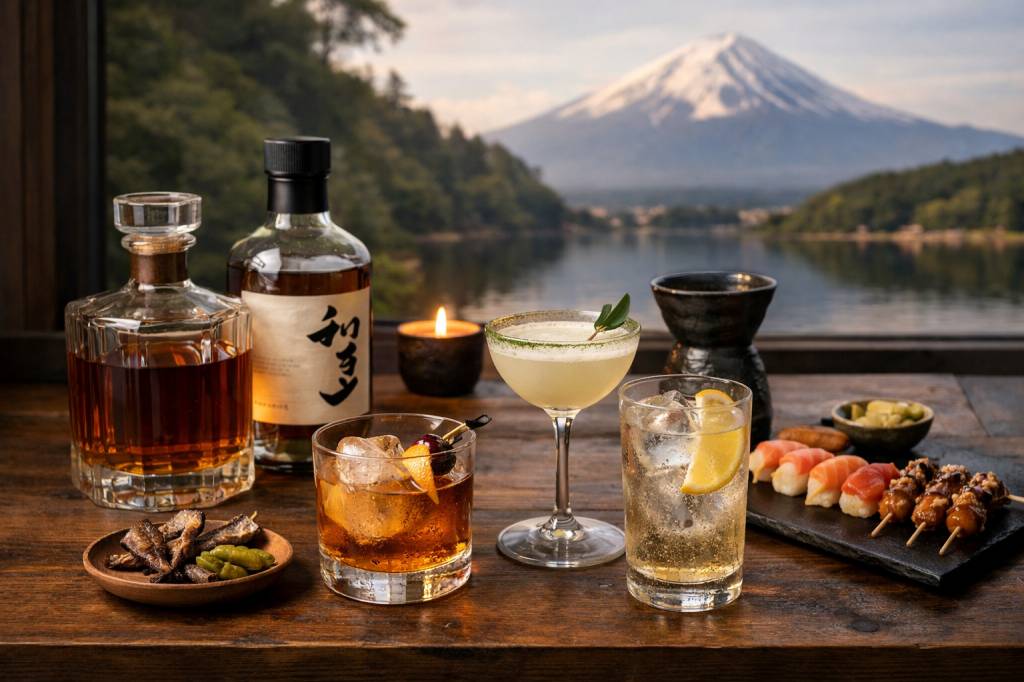
Japanese whisky is having its moment, but the way you drink it matters just as much as the bottle you buy. You can shoot it, drown it in soda, or… you can slow down, build a drink that actually respects what’s in your glass, and let the flavors do the talking.
This guide is for that third option.
We’ll look at what makes Japanese whisky different, how to taste it before you even think about mixing, and which cocktails actually highlight its character instead of bulldozing it. Expect precise recipes, pairing ideas, and a few hard-earned lessons from nights behind the home bar.
What makes Japanese whisky different?
My “click moment” with Japanese whisky happened in a tiny bar in Tokyo: eight seats, one bartender in a vest, and shelves of bottles I couldn’t pronounce. The first sip felt familiar—like Scotch—but cleaner, more precise. Nothing was loud. Everything was balanced.
That balance is really the key to understanding Japanese whisky. Here are the main points to keep in mind when you’re planning cocktails.
Inspired by Scotch, refined by obsession
Japanese whisky takes a lot from Scottish tradition (malted barley, pot stills, oak casks), but the mindset behind it is different. Distillers obsess over control and nuance. Instead of relying heavily on one bold flavor, they build structure in layers:
- Clean fermentation to avoid rough edges.
- Precise cuts in distillation to keep the spirit elegant.
- Multiple cask types (bourbon, sherry, Mizunara oak) to add complexity.
For cocktails, that means: handle it gently. If you use Japanese whisky like a burly rye whiskey, you’ll probably smother what you paid for.
Common flavor profiles you’ll meet
Every distillery has a house style, but you’ll see a few recurring themes:
- Light & floral: green apple, pear, white flowers, vanilla. Great for highballs and sours.
- Rich & malty: honey, biscuit, dried fruits, toffee. Ideal for spirit-forward stirred cocktails.
- Smoky (but polite): gentle peat, incense, roasted nuts. Works beautifully in Old Fashioned-style drinks.
- Mizunara oak influence: sandalwood, coconut, spice, a temple-wood note you don’t forget. Pair with simple, low-sugar recipes.
If you can’t identify which kind of bottle you have, pour a small taste, add a few drops of water, and note whether you get more fruit, malt, smoke, or spice. That will tell you where to aim cocktail-wise.
How to taste Japanese whisky before mixing
Before you reach for the shaker, you need a baseline. Otherwise, you’re just guessing.
Step 1: Start neat, in a small pour
Pour about 20–25 ml (¾ oz). You’re not trying to “have a drink” yet, you’re reading the spirit. Swirl gently, smell with your mouth slightly open, and look for three things:
- Is it fruit-forward (apple, citrus, stone fruit)?
- Is it more malty and sweet (honey, biscuit, toffee)?
- Is there smoke or heavy oak dominating?
Step 2: Add a few drops of water
Just a teaspoon of water can open up delicate aromas. If the whisky falls apart completely (tastes thin or flat), it’s probably too fragile for aggressive shaking with citrus and ice. Keep it for highballs or sipping.
Step 3: Decide the role of the whisky
Ask yourself: in the cocktail I’m planning, should this whisky be the lead singer or part of the choir?
- If it’s complex and layered, let it be the star: stirred drinks, minimal modifiers, low sugar.
- If it’s lighter and simpler, you can get a bit more playful: sours, spritzes, highballs with interesting garnishes.
This 2-minute ritual saves you from wasting good whisky in the wrong drink.
Choosing the right whisky for the right cocktail
You don’t need a huge collection to start experimenting. Two or three different styles are enough to cover most Japanese whisky cocktails.
Light, floral Japanese whisky
Think: approachable entry-level bottles, often aged in ex-bourbon casks.
Best for:
- Highballs (with quality soda water)
- Citrus-forward sours
- Long, low-ABV drinks with tea or light liqueurs
Richer, sherry or Mizunara-influenced whisky
These bring dried fruits, spice, and a deeper sweetness.
Best for:
- Boulevardier- or Manhattan-style cocktails
- Old Fashioneds
- Slow, stirred “fireside” drinks
Peated or smoky Japanese whisky
The smoke in Japanese whisky tends to be more incense-like than campfire. It’s a great way to add depth without overwhelming the palate.
Best for:
- Smoky Old Fashioneds
- Split-base cocktails (half smoky, half unpeated)
- Float or rinse in sours and stirred drinks
For home mixing, one light/floral bottle and one richer/spicier bottle will already give you a lot of range.
Cocktail pairings for thoughtful sipping
Now let’s get to the fun part: cocktails built to actually showcase Japanese whisky, not hide it. Every recipe below is designed for slow, intentional sipping—great for a quiet night in, but also for the kind of dinner party where people actually pay attention to what’s in their glass.
Japanese Whisky Highball (done properly)
On paper, it’s just whisky and soda. In practice, it’s where a lot of Japanese whisky really shines. This is the drink I turn to when I want flavor and refreshment without getting knocked over by alcohol.
What you’ll need:
- 45–60 ml (1½–2 oz) light, floral Japanese whisky
- Cold, freshly opened soda water
- Large, clear ice cubes or a single tall spear
- Lemon peel or citrus wheel (optional)
How to build it:
- Freeze your glass for at least 10 minutes if you can.
- Fill the glass with large ice and add the whisky.
- Stir for 10–15 seconds to chill and dilute slightly.
- Top gently with soda water (about 90–120 ml / 3–4 oz).
- Give one gentle stir from bottom to top—no aggressive shaking with the spoon.
- Garnish with a thin lemon peel if you like, but skip it if the whisky is very delicate.
Why it works: The highball stretches the flavors without masking them. With food, pair it with salty snacks (fried chicken, karaage, tempura, crisps) or anything umami-heavy; the bubbles keep your palate fresh.
Yuzu Whisky Sour
The classic Whisky Sour can be heavy and sweet. Using Japanese whisky and yuzu (or a careful citrus blend) keeps the drink bright and aromatic, with that precise, clean acidity I love when I’m serving cocktails before dinner.
What you’ll need:
- 50 ml (1¾ oz) light or medium-bodied Japanese whisky
- 20 ml (⅔ oz) fresh lemon juice
- 10 ml (⅓ oz) yuzu juice (or 5 ml / ⅙ oz if very intense)
- 15 ml (½ oz) simple syrup (1:1 sugar to water), adjust to taste
- 1 egg white or 20 ml (⅔ oz) aquafaba (optional, for texture)
How to build it:
- Add all ingredients to a shaker without ice if using egg white/aquafaba. Dry shake for 10–15 seconds.
- Add ice and shake again until the shaker is cold and frosty.
- Fine strain into a chilled coupe or small rocks glass.
- Optional: add a few drops of bitters on top of the foam and lightly swirl with a pick.
Why it works: The floral side of Japanese whisky plays beautifully with yuzu’s perfume. Keep the sweetness in check; the point is a sharp, refreshing, almost “zen” sour, not a dessert.
Pairing tip: Serve this with lightly seasoned snacks—edamame, sashimi, simple cheese boards. Given the citrus, anything too spicy can dominate the drink.
Japanese Boulevardier
When I host small dinners, there’s always at least one person who wants a Negroni-adjacent drink but “not as bitter.” This is what I pour. Swapping bourbon for Japanese whisky keeps the bones of the classic, but softens the edges and adds elegance.
What you’ll need:
- 30 ml (1 oz) richer Japanese whisky (sherry or Mizunara finish works well)
- 25 ml (¾–1 oz) sweet vermouth
- 20–25 ml (¾–1 oz) Campari or a gentler bitter aperitivo
- Orange peel, for garnish
How to build it:
- Add all ingredients to a mixing glass with ice.
- Stir for 20–30 seconds until well-chilled and diluted.
- Strain into a chilled coupe or over a large cube in a rocks glass.
- Express an orange peel over the top and either discard or drop in.
Why it works: Japanese whisky’s elegance rounds out Campari’s bitterness. It’s still a serious, spirit-forward drink, but more meditative than punchy. Perfect for slow sipping after dinner.
Pairing tip: Serve this with aged cheeses, dark chocolate, or charcuterie. The bitter-sweet balance stands up to rich, savory bites.
Matcha Old Fashioned
Matcha is easy to overdo in cocktails. You end up with bitter, murky drinks that taste like a green smoothie met a bottle of booze. This version uses matcha like a seasoning, not the main event, to underline the earthy, toasty notes in a good Japanese whisky.
Matcha syrup (make ahead):
- 1 tsp high-quality culinary matcha
- 50 ml (1¾ oz) hot water (not boiling)
- 50 g sugar (about ¼ cup)
How to make the syrup:
- Whisk matcha with hot water until completely dissolved and smooth.
- Add sugar and stir until fully dissolved.
- Let cool, then store in the fridge for up to a week.
Matcha Old Fashioned cocktail:
- 60 ml (2 oz) medium-bodied Japanese whisky (a touch of smoke works well)
- 5–7 ml (1–1½ tsp) matcha syrup, to taste
- 2 dashes aromatic or orange bitters
- Lemon peel or grapefruit peel, for garnish
How to build it:
- Add whisky, matcha syrup, and bitters to a mixing glass with ice.
- Stir until chilled and slightly diluted, about 20–25 seconds.
- Strain over a large ice cube in a rocks glass.
- Express a citrus peel over the glass and garnish.
Why it works: You get a gentle green, earthy note that sits in the background and makes the whisky feel more complex, not “matcha-flavored.” Keep the syrup light—if the drink is bright green, you probably went too far.
Pairing tip: This is a great fireside or late-night drink. Try it with roasted nuts, dark chocolate with sea salt, or even a simple butter cookie.
Ume & Whisky Spritz
This one is made for warm evenings, balcony nights, or that friend who says they “don’t like whisky” but steals sips of everyone else’s drink. Umeshu (Japanese plum liqueur) adds sweetness and fruit without turning things into syrup.
What you’ll need:
- 30 ml (1 oz) light to medium Japanese whisky
- 30 ml (1 oz) umeshu (Japanese plum liqueur)
- 60–90 ml (2–3 oz) dry sparkling wine or Prosecco
- 30–60 ml (1–2 oz) soda water, to taste
- Slice of plum or lemon wheel, for garnish
How to build it:
- Fill a wine glass with ice.
- Add whisky and umeshu, then give a quick stir.
- Top with sparkling wine and a splash of soda water.
- Garnish with a slice of plum or a citrus wheel.
Why it works: The plum sweetness softens the whisky, while bubbles keep everything light. It’s dangerously easy to drink, but the whisky still peeks through, especially if you keep the soda modest.
Pairing tip: Great with light appetizers: cured salmon, fresh cheeses, pickled vegetables, or sushi rolls with not-too-spicy fillings.
Serving Japanese whisky cocktails to guests
Japanese whisky invites a slower kind of drinking, and you can build that into the way you host.
Set the pace of the evening
- Start light with highballs or spritzes as guests arrive.
- Move to sours or more aromatic drinks with appetizers.
- Save the spirit-forward stirred cocktails (Boulevardier, Matcha Old Fashioned) for after dinner.
Talk about the whisky (briefly)
You don’t need to turn your living room into a masterclass, but give people a hook:
- Where the whisky is from.
- One flavor note to look for (e.g. “You might get some sandalwood and coconut from the Mizunara cask”).
- Why you chose that cocktail style for that bottle.
Two sentences is enough to turn a drink into an experience.
Keep the garnishes minimal
Japanese whisky is all about clarity and balance. Over-the-top garnishes or perfumed herbs can hijack the glass. A single citrus peel, a thin slice of fruit, or a restrained sprig of herb is usually plenty.
Building your home bar for Japanese whisky cocktails
You don’t need an elaborate setup. For a solid starting point, focus on versatility.
Spirits and modifiers
- 1 light, floral Japanese whisky for highballs and sours.
- 1 richer or sherry-influenced Japanese whisky for stirred drinks.
- Sweet vermouth and a bitter aperitivo (like Campari).
- Umeshu (plum liqueur) for spritzes and variations.
- Simple syrup and, if you like, matcha syrup or honey syrup for riffs.
Fresh elements
- Lemons, limes, and (when available) yuzu or yuzu juice.
- High-quality soda water (in small bottles or cans, opened just before serving).
- Optional: fresh ginger, green tea, or jasmine tea for infusions and long drinks.
Glassware and ice
- Highball glasses for long drinks.
- Rocks glasses for Old Fashioned-style serves.
- Coupe or Nick & Nora glasses for sours and stirred cocktails.
- Large ice cubes or spheres for slow-melting, spirit-forward drinks.
If you upgrade only one thing, make it your ice and your soda water. Clear, solid ice and lively bubbles do more for Japanese whisky cocktails than a new gadget ever will.
Japanese whisky rewards attention. When you build cocktails around its strengths—balance, nuance, and quiet complexity—you get drinks that invite conversation instead of steamrolling it. Start with a bottle you like, try one or two of these recipes, and pay attention to what disappears first at your next gathering. Your guests will tell you which pairing works best, even if they don’t have the words for sandalwood and Mizunara yet.