


If there’s one drink that proves simple doesn’t mean boring, it’s the Cuba Libre. Three ingredients, zero fuss, and a history that mixes politics, pop culture, and a whole lot of lime. Yet most of the time, what people get at the bar is… rum and Coke with a sad lime wedge floating on top.
Let’s fix that.
In this article, we’ll look at what “Cuba Libre” actually means, where this highball really comes from, and how it went from a patriotic toast to an easy modern classic. And of course, I’ll walk you through how to make a Cuba Libre that actually tastes like something you’d want a second round of — not just a sugary buzz in a glass.
What “Cuba Libre” really means
First things first: the name. “Cuba Libre” is Spanish for “Free Cuba.” This wasn’t just a cute marketing phrase. It was a political slogan tied to Cuban independence around the turn of the 20th century.
The expression “¡Cuba libre!” had been used as a rallying cry by Cuban revolutionaries fighting for independence from Spain. Later, during and after the Spanish–American War (1898), it stuck around as a patriotic toast celebrating a new era for the island.
So when you raise a Cuba Libre, historically, you’re not just drinking rum and cola. You’re toasting to freedom — or at least to the idea of it.
The origin story: rum, cola, and a war zone bar
As with most classic cocktails, there are a few competing origin stories. The most popular one involves American soldiers in Havana around 1900. The story goes something like this:
- U.S. troops stationed in Cuba were drinking their familiar Coca‑Cola, which had recently started spreading internationally.
- Local rum — especially light Cuban rum like Bacardi — was cheap, delicious, and everywhere.
- Someone (either a soldier or an officer, depending on who you ask) mixed the two in a glass packed with ice, added a squeeze of lime, raised it, and toasted “¡Por Cuba libre!”
Is that exactly how it happened? Maybe. Maybe not. Coca‑Cola definitely existed by then. Cuban rum definitely existed. American troops definitely existed. And someone was definitely putting all three in the same glass.
Whether or not the barroom scene is 100% historically accurate, the timing makes sense. By the early 1900s, rum and cola with lime was a known drink, and the name “Cuba Libre” was firmly attached to it.
From patriotic toast to global highball
After its birth in Cuba, the Cuba Libre followed American influence and Caribbean rum wherever they went.
Prohibition in the U.S. (1920–1933) boosted tourism to Cuba. Americans went to Havana to drink legally, fell in love with Cuban rum, and brought that love back with them. The Cuba Libre was one of the most accessible drinks for tourists: familiar cola, approachable rum, no shaker, no fancy bar tools.
After World War II, rum and cola was everywhere — on navy bases, in dive bars, in suburban kitchens. In many places it lost the “Cuba Libre” name and simply became “rum and Coke,” especially in the States. But the basic structure stayed the same: rum, cola, lime, ice, tall glass.
Then came a key shift: politics got in the way of branding. The strained relations between the U.S. and Cuba from the 1960s onward, plus the embargo on Cuban products, meant that “Cuba Libre” sometimes sounded more controversial than “rum and Coke.” Bars and brands leaned into the generic name, but cocktail culture quietly kept the original identity alive.
Fast forward to today, and the Cuba Libre is enjoying a quiet comeback. Minimalist cocktails and high-quality ingredients are in. People want drinks they can actually make at home — with room to tweak and personalize. Suddenly, this “simple” highball looks like a smart, flexible classic again.
Cuba Libre vs. rum and Coke: is there really a difference?
In practice, yes. The difference is lime — and intention.
- Rum and Coke: Often just rum plus cola, built in the glass, maybe a lime wedge on the rim if the bar is feeling generous.
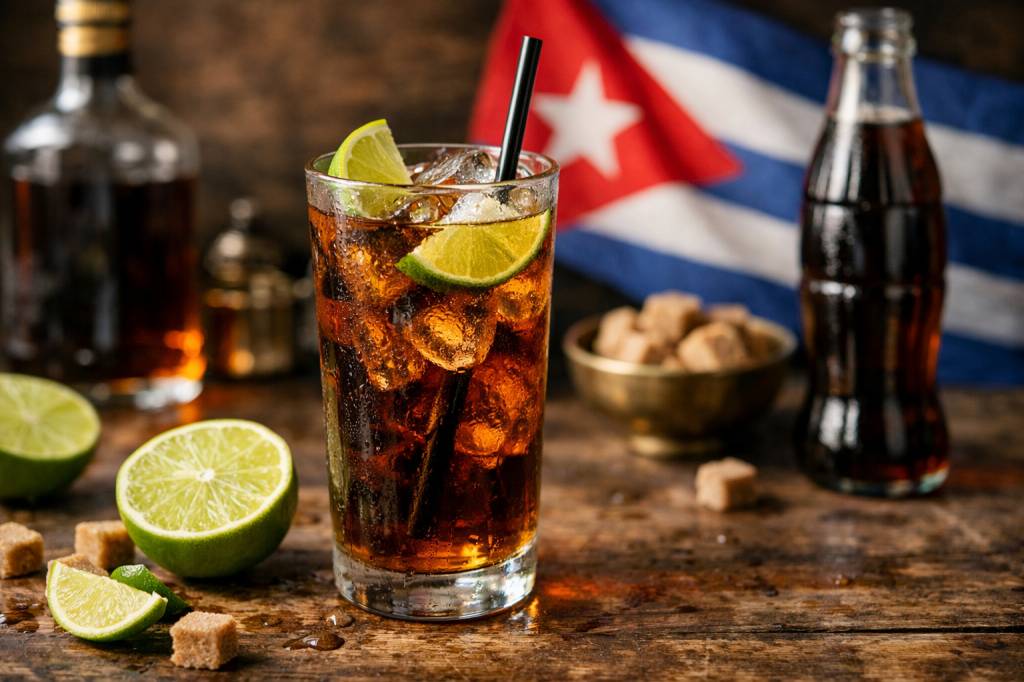
- Cuba Libre: Rum, cola, and fresh lime juice mixed into the drink, plus a lime wedge or wheel. The lime isn’t garnish; it’s an ingredient.
The lime transforms the drink. It cuts through the sweetness of the cola, brightens the rum, and adds a little structure. Without it, you’re basically drinking boozy soda. With it, you get something that feels like an actual cocktail — balanced, refreshing, and moreish.
The classic Cuba Libre recipe (Liz-style)
Here’s how I make a Cuba Libre when I want it to taste like the real deal, not just nostalgia in a glass:
- 50 ml (1 2/3 oz) white or lightly aged rum
- 100–120 ml (3 1/2–4 oz) cola, chilled
- 15 ml (1/2 oz) fresh lime juice (plus a wedge for garnish)
- Plenty of ice (ideally large cubes)
Method:
- Fill a tall highball glass all the way up with ice. Don’t be shy — full glass.
- Add the rum.
- Add the fresh lime juice.
- Top with chilled cola.
- Give it a quick, gentle stir from bottom to top.
- Garnish with a lime wedge or wheel. Serve immediately.
That’s it. No shaking, no straining, no stress. The key lies in temperature, balance, and ingredient choice.
Choosing the right rum: light, aged, or dark?
The rum you use will completely change the character of your Cuba Libre. Think of it as the backbone of the drink.
Light / white rum
Clean, simple, and refreshing. This is the “classic” choice, especially if you’re going for the style that became popular in early 20th century Cuba.
- Good if you want the cola and lime to stand out.
- Great for hot weather and big batches.
- Avoid the harsh, bottom-shelf bottles that taste like medicinal sugarcane fire.
Lightly aged rum (gold / amber)
This is my personal favorite category for a Cuba Libre.
- Adds subtle vanilla, caramel, and spice notes.
- Still light enough to stay refreshing.
- Plays beautifully with cola’s caramel profile.
Dark rum
Heavier, richer, more molasses, sometimes smoky.
- Good if you want a “winter” Cuba Libre with more depth.
- Can dominate the drink if you use too much or if the rum is very funky.
- Pairs well with spiced colas or cola with a hint of vanilla.
If you’re starting from scratch, pick a decent-quality white or lightly aged rum from a reputable brand — nothing flavored, nothing “spiced” for your first try. Get your base right, then start experimenting.
Cola matters more than you think
Swapping rum brands is something enthusiasts love to obsess over, but in a Cuba Libre, the cola you use makes just as much difference.
Here’s what to pay attention to:
- Sweetness level: Some colas taste syrupy, others are more refreshing. If yours is very sweet, consider lowering the ratio of cola to rum and boosting the lime slightly.
- Spice profile: Clove, cinnamon, vanilla, citrus oil — they’re all common in colas. These interact with the rum’s own flavors. A more “spiced” cola can be great with a simple white rum.
- Carbonation: You want bubbles. Use freshly opened cola, not the half-flat bottle from last night’s pizza order.
- Diet vs. regular: You can absolutely make a Cuba Libre with a zero-sugar cola. Just know it will taste lighter and slightly more artificial. The lime becomes even more important to bring it to life.
If you really want to geek out, try lining up the same rum with two or three different colas in small glasses. Same ratios, same ice, same lime. You’ll be surprised how different they feel.
Why fresh lime is non‑negotiable
A Cuba Libre without real lime is just a boozy soft drink waiting for regret.
Fresh lime juice brings three things:
- Acidity: Cuts through sugar and keeps the drink from feeling heavy.
- Aroma: The oils from the peel and the freshness of the juice brighten the whole glass.
- Balance: It turns two sweet ingredients (rum and cola) into an actually structured drink.
Bottled “lime juice” or sour mix doesn’t cut it here. You’re using such few ingredients that quality really shows. Half a fresh lime per drink is a reasonable starting point.
Pro tip: Squeeze some lime into the drink and then drop the spent shell into the glass. It adds aroma and looks intentional, not like an afterthought.
From old-school highball to modern classic
So how did this humble war‑era highball become a modern classic again?
Three main shifts:
- Craft cocktail fatigue: After years of 12‑ingredient menus and house‑made everything, drinkers started craving simple, well‑made drinks they could copy at home. The Cuba Libre fits that bill perfectly.
- Better ingredients: Good rum is easier to find. Colas are more diverse, from craft brands to low‑sugar versions. That means more ways to dial in the drink to your taste.
- Highball renaissance: The humble highball (spirit + mixer + ice) has made a comeback, helped by Japanese bartending culture and an overall shift toward long, lighter drinks. The Cuba Libre is basically the Caribbean cousin in that family.
The modern take isn’t about reinventing the recipe. It’s about respecting it: good rum, cold cola, fresh lime, lots of ice, proper glass, and actual attention to balance.
Easy variations to try
Once you’ve nailed the classic, you can start playing. Here are a few riffs that still respect the original idea:
- Spiced Cuba Libre: Use a spiced rum and add a dash of Angostura bitters. Great in cooler weather.
- Coffee Cuba Libre: Add 10–15 ml (1/3–1/2 oz) of cold brew or coffee liqueur. Suddenly you have a late‑night pick‑me‑up.
- Smoky Cuba Libre: Split the base: half rum, half a light, not‑too‑aggressive mezcal. Not traditional, but the combination of smoke, lime, and cola is addictive.
- Tropical twist: Add a small splash (no more than 15 ml / 1/2 oz) of pineapple or passion fruit juice. Keep the lime; it’s your anchor.
- Low‑ABV Cuba Libre: Use a lower proof rum, reduce the rum slightly, and increase the cola and lime. Great for long afternoons or parties where you want to pace yourself.
Stay within the same basic format: rum, cola, lime, ice, tall glass. If it drifts too far away from that, you’re making a different cocktail entirely — which is fine, but don’t call it a Cuba Libre.
How to batch Cuba Libres for a party
The Cuba Libre is a host’s best friend. No shaking, no syrups, and everyone recognizes the flavor profile.
If you want to batch it, here’s a simple strategy that keeps things fresh:
- Pre‑chill your rum and cola in the fridge.
- In a pitcher, combine:
- 1 part rum
- 2–2.5 parts cola
- About 1/3 part fresh lime juice (adjust to taste)
- Keep the pitcher in the fridge, not on ice (you don’t want dilution yet).
- Set up a self‑serve station with a bucket of ice, lime wedges, and highball glasses.
- Guests fill their glass with ice, pour from the pitcher, add an extra lime squeeze if they want.
This way, the drink stays cold and balanced, and you’re not stuck making single serves all night. Just remind people: the more ice, the better. A half‑hearted handful of melting cubes will kill the texture.
Food pairing: what to serve with Cuba Libres
The Cuba Libre is built for salty, fatty, and spicy foods — exactly what you want at a relaxed gathering.
- Classic bar snacks: Plantain chips, salted peanuts, popcorn with chili and lime.
- Street‑food style: Tacos (especially pork or grilled chicken), empanadas, fried chicken.
- BBQ: Grilled ribs, burgers, pulled pork sliders. The acidity from the lime and bubbles from the cola cut through richness beautifully.
- Casual bites: Loaded nachos, cheesy quesadillas, spicy wings.
If you’re planning a themed night, lean into a Latin or Caribbean spread. The drink does the rest of the work tying the table together.
One last tip from behind the bar
The first time I took a Cuba Libre seriously was after a long summer shift. A regular asked for “a proper Cuba Libre, not just rum and Coke, please.” I rolled my eyes internally, grabbed better rum than usual, squeezed a generous amount of fresh lime, used ice from the back that hadn’t started melting, and opened a fresh bottle of cola.
He took a sip, paused, and just said: “This is it. This is what I remember from Havana.”
Same three ingredients I’d been using all night. Completely different result. The only difference was care and balance.
That’s the real story of the Cuba Libre’s evolution into a modern classic: not a new recipe, just a renewed respect for a simple, historic highball that deserves better than a sticky plastic cup.
Next time you’re tempted to pour “just a rum and Coke,” stop. Grab a lime, measure your pour, fill that glass with ice, and make an actual Cuba Libre. You’ll taste the difference — and you might find it becomes one of your go‑to drinks for both weeknights and parties.