





The timeless appeal of a Cognac Sour
A Cognac Sour is one of those cocktails that feels both classic and surprisingly fresh. It has the elegance of an old-world drink with the bright, zesty lift that modern palates love. If you enjoy the balance of sweet and tart in a whiskey sour, you will appreciate how cognac brings depth, fruitiness, and a touch of luxury to the glass.
Mixing the perfect Cognac Sour at home is much easier than it sounds. With just a handful of ingredients, a shaker, and a few simple techniques, you can create a bar-quality drink in your kitchen. This guide walks you step by step through choosing the right cognac, getting the balance right, mastering the shake, and customizing the drink to your taste.
What is a Cognac Sour?
A “sour” is a family of cocktails built on a simple formula: spirit + citrus + sweetener. The Cognac Sour substitutes cognac for the more common whiskey or gin, but follows the same structure. The result is a drink that is:
- Bright and refreshing thanks to fresh lemon juice
- Structured and complex thanks to the aged grape spirit
- Lightly sweetened, never cloying, with sugar or simple syrup
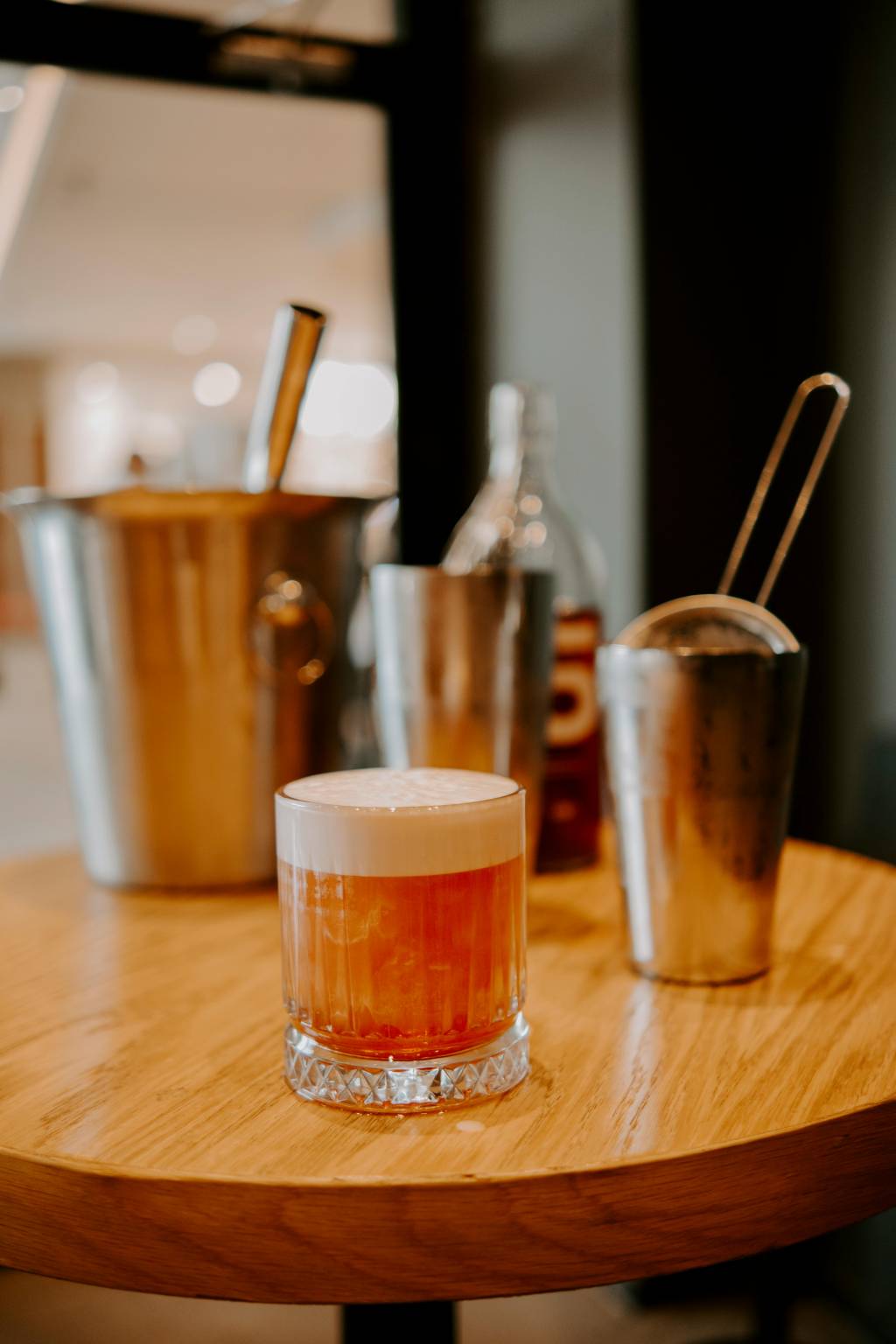
- Optionally silky and foamy when made with egg white or aquafaba
The Cognac Sour is perfect as a pre-dinner aperitif, an after-dinner drink, or a centerpiece for an at-home cocktail night.
Choosing the right cognac
The star ingredient makes all the difference. You do not need the rarest bottle on your shelf, but you do want a quality cognac that offers rich flavor and balance. Here is what to consider:
- Style: A VSOP (Very Superior Old Pale) is often ideal. It tends to have more depth and smoothness than a VS, but is still lively enough for cocktails.
- Flavor profile: Look for notes of dried fruits, vanilla, oak, and gentle spice. These pair beautifully with lemon and sugar.
- Price point: Use something you would enjoy sipping neat, but not your rarest collector’s bottle. Mid-range cognacs usually shine best in mixed drinks.
If you are assembling a small home bar, a versatile VSOP cognac works well across many cognac cocktails, not only in sours.
Essential tools and glassware
You do not need a professional bar setup to make a fantastic Cognac Sour, but a few basics will dramatically improve the result:
- Cocktail shaker: A Boston shaker or a cobbler shaker both work. The shaker is crucial for proper chilling and aeration.
- Jigger: This small measuring tool ensures accurate ratios. Consistency is key to replicating your favorite version.
- Strainer: A Hawthorne strainer (the one with the spring) is handy for pouring the drink without ice shards.
- Fine mesh strainer (optional): Ideal if you use egg white or want an ultra-smooth texture.
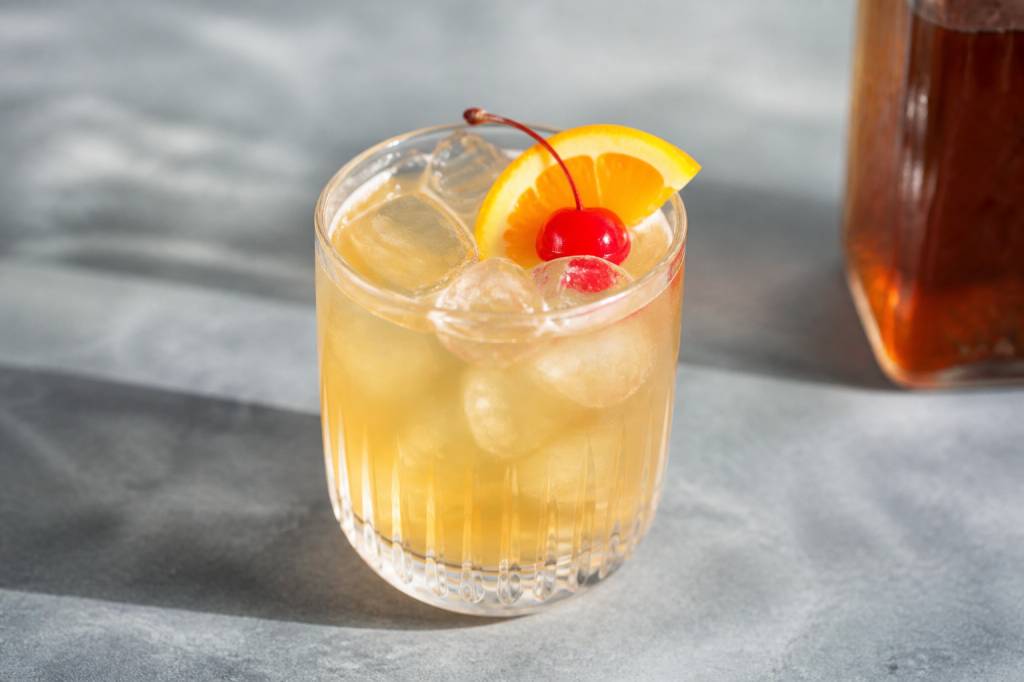
- Glassware: A chilled coupe, Nick & Nora glass, or an old-fashioned glass works well. Choose based on whether you serve it “up” (without ice) or “on the rocks.”
Key ingredients for a perfect balance
The essence of a Cognac Sour lies in its balance. Each ingredient serves a purpose:
- Cognac: The base spirit, providing structure, warmth, and complex flavor.
- Fresh lemon juice: Freshly squeezed is non-negotiable. Bottled lemon juice often tastes flat or overly sharp.
- Sweetener: Simple syrup (equal parts sugar and water) is easiest to mix. You can also use rich simple syrup (2:1 sugar to water) for a silkier mouthfeel.
- Egg white or aquafaba (optional): Adds a smooth, velvety texture and a rich foam layer on top. Aquafaba (chickpea water) is a great vegan alternative.
- Bitters (optional): A dash or two of aromatic bitters can underscore spices in the cognac and add complexity.
Striking the right proportion between lemon and sweetener is crucial. Adjusting this balance to your palate is the difference between a decent cocktail and an unforgettable one.
Classic Cognac Sour recipe
Here is a solid starting recipe that you can tweak to taste. This version includes egg white for a luxurious texture, but you can skip it if you prefer a simpler drink.
Ingredients:
- 2 oz (60 ml) cognac
- 3/4 oz (22 ml) fresh lemon juice
- 1/2–3/4 oz (15–22 ml) simple syrup, to taste
- 1/2 oz (15 ml) egg white or aquafaba (optional)
- Ice cubes
- Garnish: lemon twist, lemon wheel, or a cocktail cherry
Method:
- Add cognac, lemon juice, simple syrup, and egg white (if using) to your shaker.
- If using egg white or aquafaba, perform a “dry shake”: shake all ingredients without ice for about 10–15 seconds to emulsify.
- Add ice to the shaker and shake vigorously for another 10–15 seconds. You want the shaker to feel frosty and cold.
- Strain into a chilled coupe for a drink served “up,” or into an old-fashioned glass with fresh ice for a drink served “on the rocks.”
- Garnish with a lemon twist, lemon wheel, or cherry. Express the oils from the twist over the surface of the drink before dropping it in, if using.
This basic template delivers a balanced, crowd-pleasing Cognac Sour. From here, you can adjust sweetness, tartness, and texture based on your preferences.
Understanding the perfect balance
A superb Cognac Sour hinges on harmony between three elements: spirit, acid, and sweetness. If your drink feels “off,” it is almost always because one of these is out of balance.
- Too sour: Add a touch more simple syrup (1/4 oz at a time) and shake again.
- Too sweet: Add a small splash of lemon juice and re-shake.
- Too strong or hot: Ensure you are shaking long enough with sufficient ice. Chilling and slight dilution are essential.
- Too flat: Use fresher lemon juice, shake more vigorously, or experiment with a dash of bitters.
When the balance is right, you should taste the cognac first, followed by a bright lemon zing and a gentle sweetness tying everything together.
Mastering shaking techniques
Technique affects not only the temperature and dilution of your Cognac Sour but also its texture and presentation.
Dry shake vs. wet shake
- Dry shake: Shaking the ingredients without ice first, especially when using egg white or aquafaba, helps create a dense, stable foam.
- Wet shake: Adding ice and shaking again chills the drink and brings it to the optimal dilution, typically after 10–15 seconds of vigorous shaking.
How long to shake
- With egg white: about 10–15 seconds dry, then 10–15 seconds with ice.
- Without egg white: typically 10–12 seconds with ice is enough.
You will know you have shaken enough when the shaker is frosty and too cold to hold comfortably, and when the drink pours with a slight opacity and fine bubbles.
Serving styles and garnishes
How you serve and garnish your Cognac Sour influences the overall experience.
Up vs. on the rocks
- Up: Strained into a chilled coupe or Nick & Nora glass. This style feels a bit more formal and is ideal for savoring slowly.
- On the rocks: Strained over fresh ice in an old-fashioned glass. This keeps the drink colder for longer and gradually softens the flavors as the ice melts.
Garnish ideas
- Lemon twist: Classic and simple. Express the oils over the drink to add aromatic brightness.
- Lemon wheel: A clean, visual garnish that emphasizes the citrus aspect.
- Cocktail cherry: Adds a hint of color and an inviting sweetness at the bottom of the glass.
- Angostura bitters art: For egg-white drinks, a few drops of bitters on the foam can be dragged with a toothpick for a decorative pattern.
Creative variations to try
Once you have mastered the classic formula, you can begin to personalize your Cognac Sour. Here are a few ideas to explore:
Honey Cognac Sour
- Replace simple syrup with honey syrup (2 parts honey, 1 part warm water).
- Honey introduces floral and herbal notes that pair beautifully with oak-aged cognac.
Orange Cognac Sour
- Use a mix of lemon and fresh orange juice instead of lemon alone (for example, 1/2 oz lemon + 1/4 oz orange).
- Optionally add a dash of orange bitters.
- This version is softer, with a rounder citrus profile.
Spiced Cognac Sour
- Infuse your simple syrup with spices like cinnamon, clove, or star anise.
- Let the syrup cool completely before using.
- This variation is especially enjoyable in cooler months, echoing baking spices.
Herbal Cognac Sour
- Muddle fresh herbs (such as thyme or rosemary) gently in the shaker before adding other ingredients.
- Double strain to reduce herb fragments in the finished drink.
- The result is aromatic and sophisticated, ideal for food pairings.
Food pairing ideas
A Cognac Sour is surprisingly versatile at the table. Its bright acidity and rich base spirit make it suitable for various dishes:
- Cheese boards: Especially with aged gouda, comté, or blue cheese. The acidity cuts through the richness, while the cognac complements nutty and caramelized notes.
- Charcuterie: Cured meats such as prosciutto, saucisson, or pâté pair well with the drink’s refreshing edge.
- Seafood: Grilled shrimp, scallops, or crab cakes benefit from a citrus-forward cocktail.
- Desserts: Lemon tarts, crème brûlée, or almond-based pastries resonate with the citrus and vanilla tones of the drink.
Tips for hosting with Cognac Sours
If you are planning a gathering, Cognac Sours can be prepped in advance with minimal last-minute work.
Batching the base
- Pre-mix cognac and simple syrup in a bottle and keep chilled.
- Wait to add lemon juice until closer to serving, ideally within a few hours, to keep the flavor bright.
- When serving, measure the batch and fresh lemon into a shaker with ice, shake, and pour.
Offering options
- Prepare both egg-white and non-egg versions for guests to choose from.
- Set out simple garnishes like lemon twists and cherries so guests can customize their glass.
Controlling dilution
When making multiple drinks at once, avoid overfilling the shaker with ice. Shake in smaller batches to keep control over temperature and dilution—which directly affect flavor.
Common mistakes and how to avoid them
Even experienced home bartenders occasionally run into issues with sours. Here are some pitfalls to watch for:
- Using bottled lemon juice: This is the fastest way to flatten the drink. Always squeeze fresh lemons.
- Over-sweetening: Remember that you can always add more syrup, but once it is too sweet, the only fix is more lemon or spirit.
- Not shaking hard enough: A lackluster shake leads to poor texture and insufficient chill.
- Ignoring measurements: Guessing often produces inconsistent results. Use a jigger until you know exactly what you like.
- Using poor-quality ice: Old, freezer-burned, or hollow ice melts too quickly and can introduce off flavors. Clear, solid cubes are ideal.
Building your own signature Cognac Sour
Once you are comfortable with the fundamentals, you can create a personalized signature version. Consider these levers:
- Strength: Adjust the ratio of spirit to non-alcoholic ingredients. For a stronger drink, increase cognac slightly while keeping lemon and syrup similar.
- Acidity: Alter the lemon quantity or blend with other citrus fruits like lime, grapefruit, or yuzu for a unique twist.
- Sweetness type: Try demerara syrup, maple syrup, or agave instead of plain white sugar syrup to add subtle flavor layers.
- Aromatics: Experiment with bitters (aromatic, orange, chocolate) or rinses of liqueurs like absinthe or curaçao.
- Presentation: Serve in your favorite stemware, play with garnish shapes, and create a ritual around serving to make the moment special.
The beauty of the Cognac Sour lies in its adaptability. With a little practice and curiosity, you will discover a version that perfectly matches your taste and style.